




Edwardian Copper Container
These edwardian copper container pieces are robust hearth accessories and domestic vessels shaped by Arts and Crafts and Art Nouveau ideals.
Edwardian Copper Container
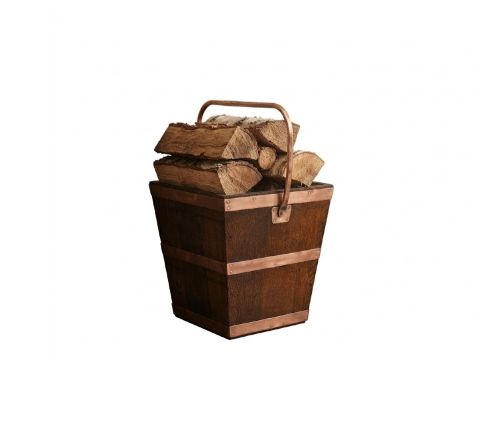
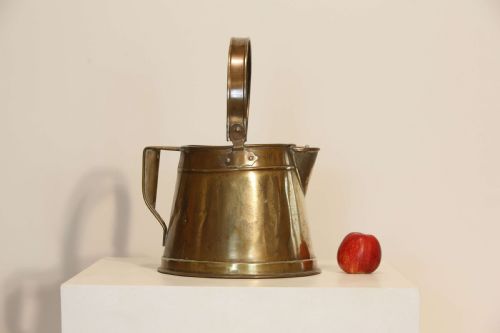
When you search for an edwardian copper container, you encounter functional vessels originally built for hearth and hallway use, predominantly taking the form of coal scuttles, buckets, planters, and log bins.
The pieces appearing on this page span the late nineteenth century through to the early decades of the twentieth century, bridging Victorian utility with Arts and Crafts design.
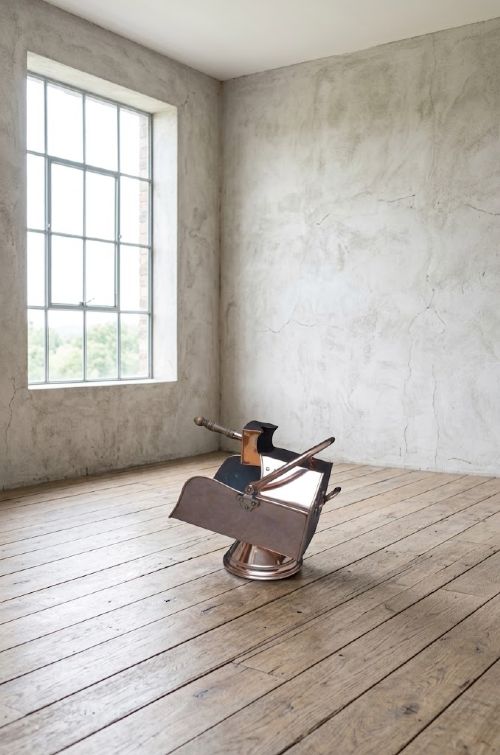
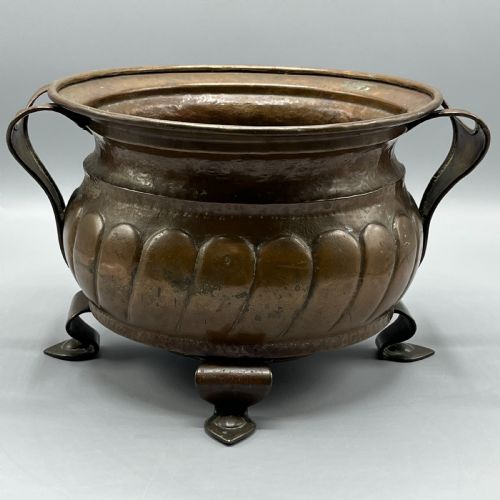
You are most likely to meet utilitarian forms like helmet-shaped coal scuttles, circular coal buckets, and indoor jardinieres that demonstrate the period's preference for useful domestic metalwork.
Materials and Construction
Makers shaped solid copper sheets into heavy bodies, frequently combining the metal with brass handles, rims, and fixings for visual contrast.
Structural support came from robust internal and external elements, utilising wrought iron frames, wood linings, oak components, and iron fittings to bear heavy loads of coal or logs.
Edwardian Copper Container Retail Price Guide 2026
Typical asking prices for edwardian copper container among the pieces listed under this phrase on Sellingantiques today, from the lower quarter to the upper quarter. They describe what is for sale here now, not the wider market.
Listings feature copper combined with brass, wrought iron, and oak across Victorian, Edwardian, and Art Nouveau periods.
Assessing Quality and Design
Quality separates objects by the integrity of their construction, distinguishing machine-pressed uniformity from hand-beaten surfaces bearing deliberate hammer marks.
The presence of original fittings, such as sturdy iron frames, brass mounts, and intact handles, elevates a piece above those altered or stripped of their supporting hardware over time.
The Edwardian Copper Container Glossary
- Coal Scuttle
- A metal container designed for holding and carrying coal to a fireplace, often shaped like a helmet with a hinged scoop. They formed a standard part of period hearth accessories.
- Log Bin
- A large, deep container used for storing firewood beside a hearth, sometimes set within an original iron frame. These vessels prioritised durable construction to withstand heavy logs.
- Arts and Crafts
- A design movement valuing traditional craftsmanship, simple forms, and visible maker marks over industrial mass production. This style heavily influenced early twentieth-century metalwork.
- Art Nouveau
- An artistic style characterised by flowing, organic lines and floral motifs, visible on many period buckets and planters. The aesthetic favoured curved silhouettes inspired by natural growth.
Edwardian Copper Container: Frequently Asked Questions
What were these copper containers originally used for?
These vessels served practical domestic functions around the home, primarily holding coal by the fireplace or storing logs for the hearth.
Other forms acted as indoor planters and jardinieres, bringing polished metal textures into Victorian and Edwardian living spaces.
How do I clean and maintain antique copper?
Most collectors prefer to leave an aged patina intact rather than polishing the metal to a bright, reflective shine.
Dusting with a dry cloth is usually sufficient to keep the surface safe without removing the historical character.
Are these containers heavy?
Solid copper construction combined with iron frames, brass fittings, and wood components makes these pieces substantial in weight.
They were engineered to hold heavy materials like coal and logs without buckling.
How do I distinguish Arts and Crafts pieces from Art Nouveau?
Arts and Crafts items typically display hand-beaten surfaces, structural rivets, and straightforward geometric or utility-driven shapes.
Art Nouveau examples lean towards flowing, organic curves and decorative plant-inspired motifs on the copper body.