




Edwardian Claw Foot Lamp
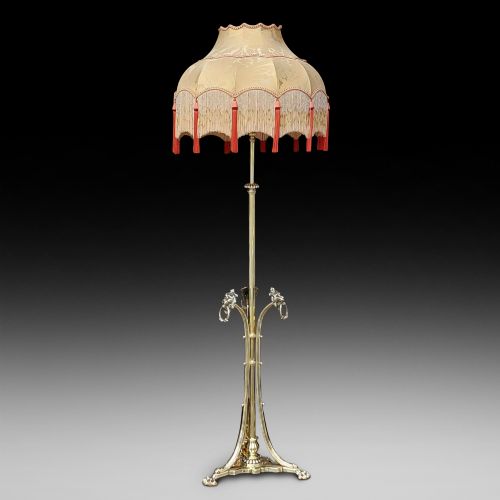
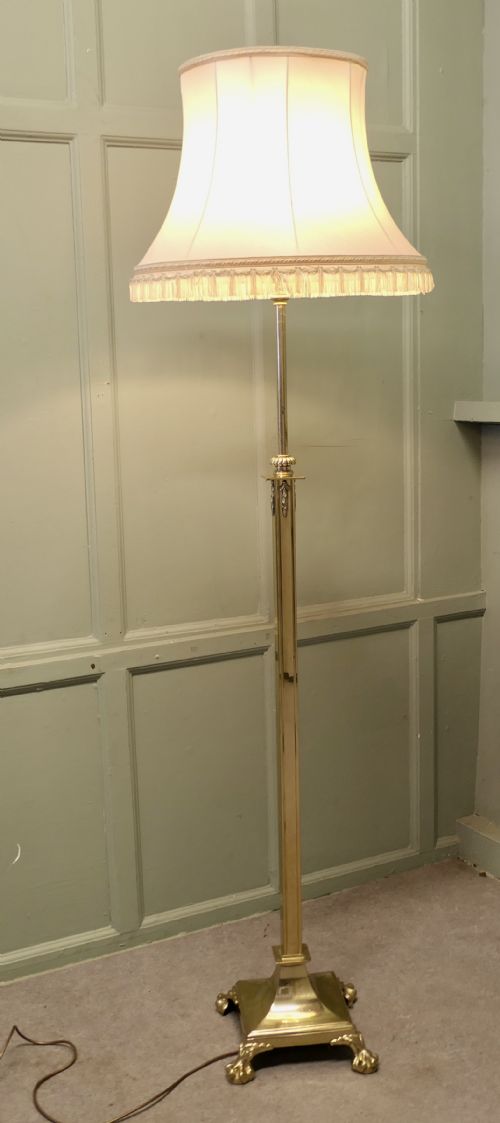
An edwardian claw foot lamp brings period presence to a room, combining heavy cast feet with tall telescopic stems.
Edwardian Claw Foot Lamp
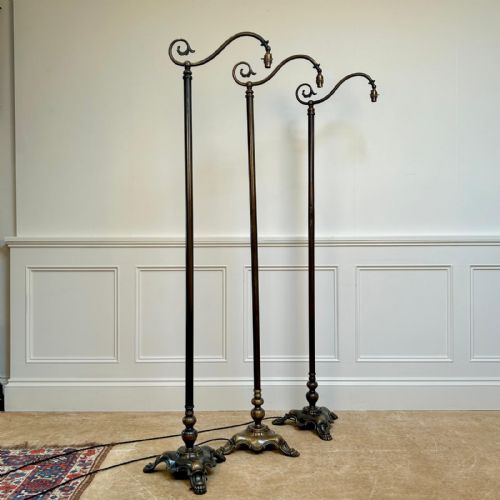
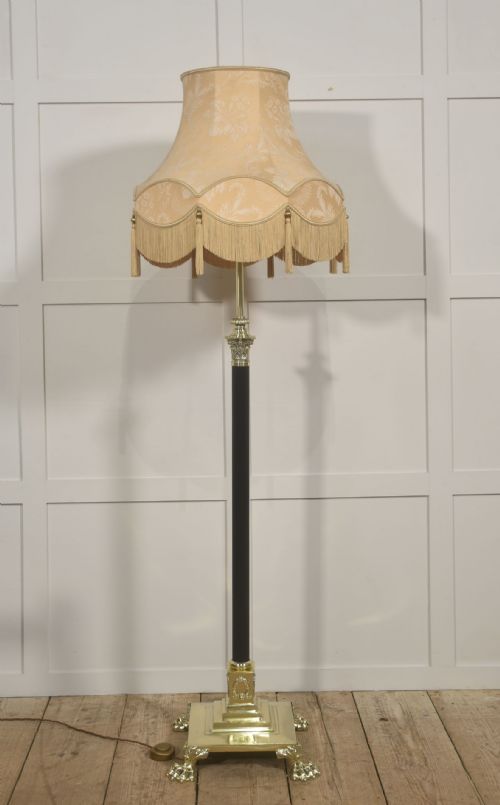
When you search for an edwardian claw foot lamp, you encounter tall floor-standing lighting fixtures designed to illuminate larger reception rooms. These objects frequently take the form of standard lamps or lamp standards with substantial bases to anchor their height.
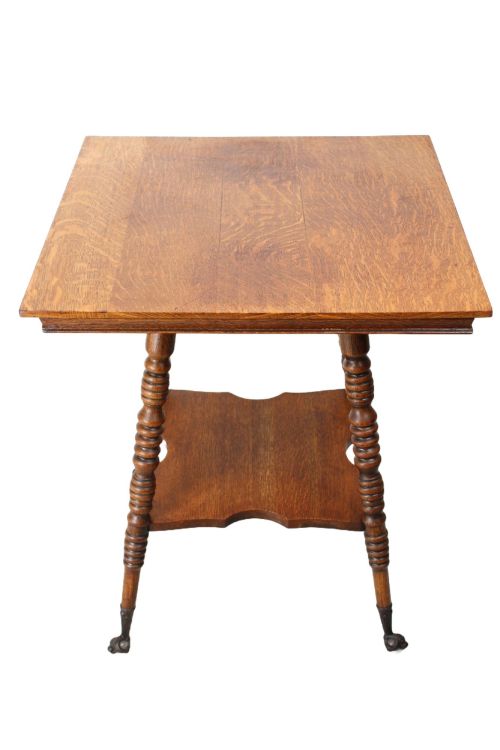
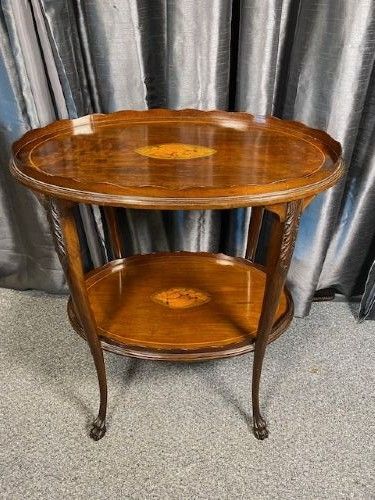
The selections available here span several decades around the turn of the twentieth century, bringing together Edwardian pieces alongside Victorian and later interpretations. Alongside floor lamps, the evidence includes related occasional items such as side tables and plant stands.
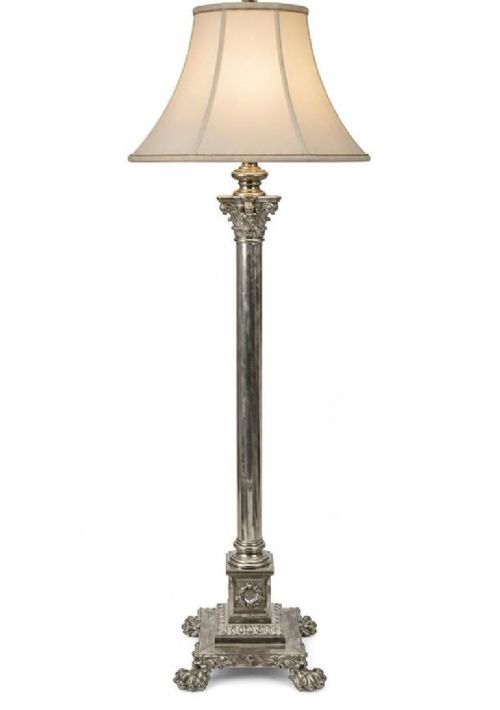
Makers and designers from these periods utilised sturdy architectural forms, often adapting classical column styles or introducing adjustable stems for practical utility. The resulting pieces serve both a functional lighting role and a strong decorative purpose within traditional interiors.
How they were made
Makers constructed these floor lamps predominantly in brass, copper and bronze, frequently combining metals with patinated or polished finishes. Oak and mahogany also appear in related pieces, providing contrasting timber textures for lamp tables and plant stands.
Many examples incorporate adjustable telescopic mechanisms, allowing the height of the standard to be raised or lowered according to need. Cast components provide the weight required at the base to ensure stability for the tall upright column above.
Listings for this search phrase include brass, copper, bronze, oak, and mahogany, spanning the Victorian and Edwardian periods.
What varies in quality
Distinction across these pieces lies in the weight of the casting and the crispness of detail on the column and base. Heavier gauge metals and complex architectural orders, such as Corinthian capitals, indicate a higher grade of production.
The presence of an original telescopic adjustment mechanism and sound structural joins separates standard commercial output from finer workshop creations. Metal patination and the integrity of the finish also determine the overall visual success of an individual standard lamp.
Messenger
The Edwardian Claw Foot Lamp Glossary
- Standard lamp
- A tall floor-standing lamp designed to provide ambient illumination in a room. These fixtures often feature a weighted base and an upright column.
- Telescopic
- A construction method allowing parts of the upright stem to slide inside one another for height adjustment. This feature permitted users to alter the level of the light source.
- Corinthian column
- An architectural column order featuring an ornate capital decorated with acanthus leaves. This classical style frequently inspired the upper section of brass floor lamps.
- Torchiere
- A tall stand or floor lamp designed to hold a light source directing illumination upwards towards the ceiling. These pieces often incorporate slender shafts supported by decorative feet.
Edwardian Claw Foot Lamp: Frequently Asked Questions
How tall are these standard lamps?
The height of these floor lamps varies considerably, particularly in designs that incorporate telescopic stems for adjustment. Many examples stand well over five feet to project light effectively across a space.
Buyers should check individual measurements carefully to ensure the height suits their ceiling clearance and room proportions.
Were these lamps originally oil or electric?
Many surviving standard lamps from the nineteenth and early twentieth centuries began life as oil lamps before conversion to electricity. Some retain burners or glass reservoirs, while others were manufactured specifically for electrical use.
Conversion details vary between individual pieces, reflecting the changing domestic lighting technology of the period.
How do I keep brass standards polished?
Maintenance depends on whether the brass retains an aged historical patination or a bright polished surface. Gentle dusting with a dry cloth prevents grime accumulation without disturbing the finish.
Harsh chemical cleaners should be avoided unless the metal has been modernly lacquered or requires deliberate restoration of its shine.
Where should I place a floor lamp?
These tall lighting pieces suit corners of reception rooms, beside reading chairs, or flanking larger pieces of furniture. Their substantial bases require adequate floor space for stability.
Placing the lamp near a suitable wall socket avoids trailing wires across open floor areas.