



Edwardian Ceramic Cup
An edwardian ceramic cup brings domestic elegance and delicate craftsmanship to your table, offering a tangible connection to early twentieth-century daily rituals.
Edwardian Ceramic Cup
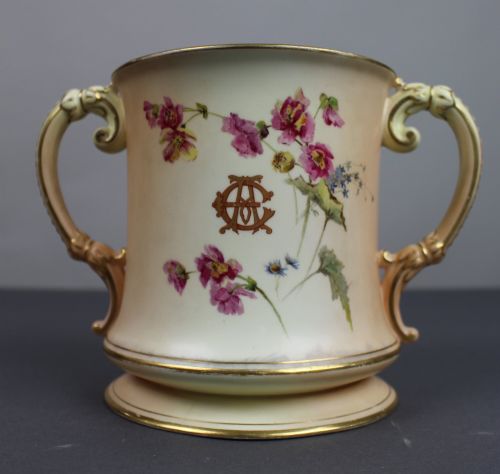
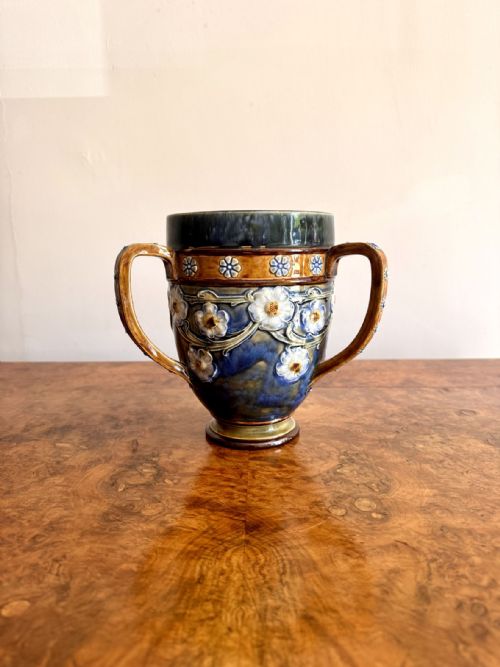
When searching for an edwardian ceramic cup, buyers encounter a diverse range of porcelain, bone china, and stoneware vessels produced around the turn of the twentieth century. These items span functional teacups, demitasse sets, loving cups, and commemorative pieces reflecting the aesthetic movements of the era.
The most common examples on this page include delicate teacups and saucers alongside decorative pottery mugs and service sets. Makers utilised various stylistic influences, from traditional floral motifs to Arts and Crafts simplicity and Art Nouveau curves.
Originating predominantly from English potteries, these pieces capture the refined dining habits and social customs of the period. Collectors and enthusiasts prize them for both their ornamental appeal and their surviving utility.
Assessing Quality and Execution
Quality in these ceramics rests on the precision of the throwing, the delicacy of the wall thickness, and the refinement of the clay body. Superior examples demonstrate exceptional control in hand-painted artistry and gilding.
The sophistication of the design work, whether intricate floral scenes or distinctive transfer prints, separates standard production items from masterworks. The prestige of the original pottery workshop also influences the standing of each piece.
Edwardian Ceramic Cup Retail Price Guide 2026
Typical asking prices for edwardian ceramic cup among the pieces listed under this phrase on Sellingantiques today, from the lower quarter to the upper quarter. They describe what is for sale here now, not the wider market.
Materials recorded on this page range from delicate bone china and porcelain to robust stoneware, often enhanced with gold leaf and enamel.
Royal Worcester·Royal Doulton·Coalport·Wedgwood·Fulham Pottery·Hadley Worcester·Royal Crown Derby
The Edwardian Ceramic Cup Glossary
- Bone china
- A type of soft-paste porcelain incorporating animal bone ash, known for its high strength, chip resistance, and ivory-like translucency. This material allowed makers to produce thinner and more delicate vessel walls.
- Demitasse
- A small cup used to serve Turkish coffee or espresso, typically paired with a matching saucer. These miniature vessels often feature elaborate gilt decoration.
- Loving cup
- A large drinking vessel with two or more handles, traditionally passed around among guests at banquets or special gatherings. Many examples were produced to commemorate coronations or civic events.
- Gilt
- A thin layer of gold applied to the surface of the ceramic for decorative embellishment. Skilled artisans painted or dusted metallic leaf onto the piece before firing.
- Blush ivory
- A specific ceramic finish developed by potteries to mimic the soft, creamy tone of real ivory. It served as a popular background for delicate floral hand-painting.
Edwardian Ceramic Cup: Frequently Asked Questions
What is an Edwardian ceramic cup?
An Edwardian ceramic cup is a drinking vessel made from porcelain, bone china, or stoneware during the early twentieth century. These pieces include teacups, demitasse cups, and loving vessels featuring hand-painted motifs or gilded details.
They represent the domestic ware and fine dining accessories used during the Edwardian era, combining practical function with decorative artistry.
How were these cups used?
These cups served everyday domestic functions such as morning tea, afternoon gatherings, and after-dinner coffee service. Special pieces like loving cups and commemorative mugs also marked significant historical events and public celebrations.
In households of the period, fine porcelain teacups formed part of larger tea services designed to display hospitality and social standing.
How do I care for antique porcelain?
Antique ceramic cups require gentle hand washing in warm water with mild soap to preserve their delicate hand-painted surfaces and gold leaf. Avoid soaking them or placing them in modern dishwashers.
Store them securely on stable shelving or in cabinets where they are protected from accidental knocks and extreme temperature changes.
How can I tell the period?
Dating these ceramics relies on maker's marks stamped, impressed, or painted on the underside of the base, which often correspond to specific registration or production years. Stylistic clues such as floral patterns, shapes, and gilding styles also help place a piece within the Edwardian timeframe.
Comparing the glaze texture and clay body to documented factory outputs provides further confirmation of the manufacturing date.