

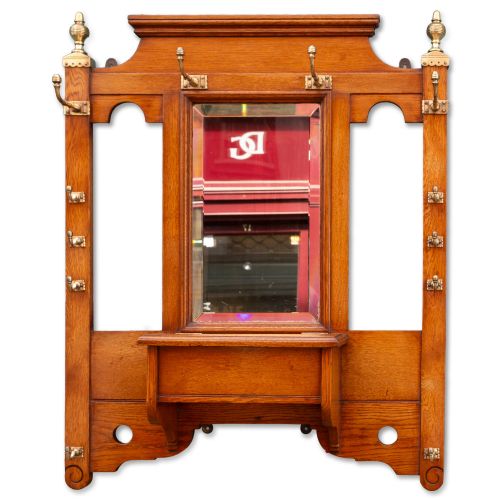
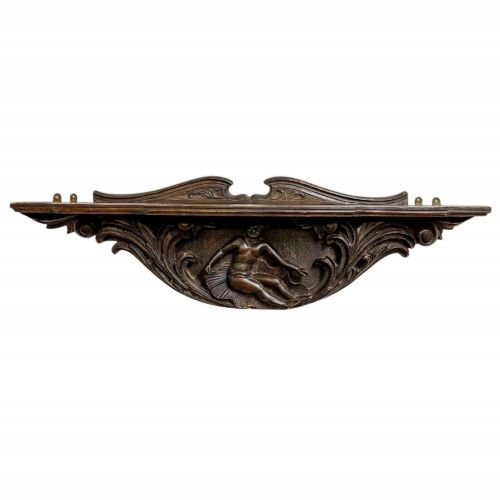
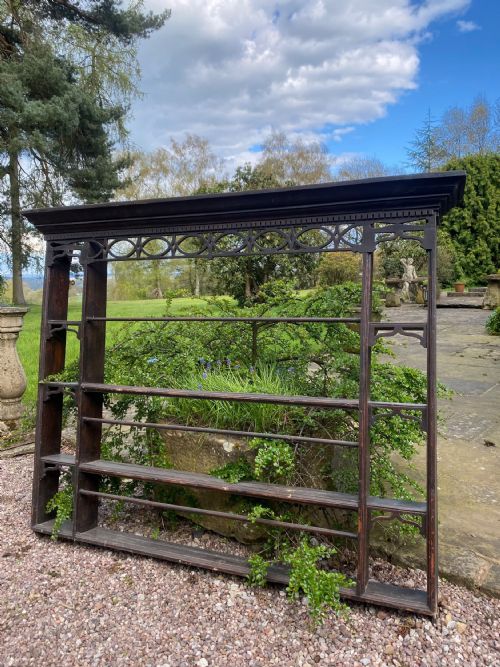
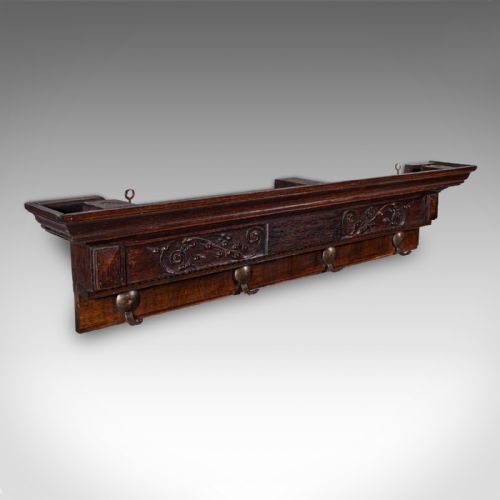
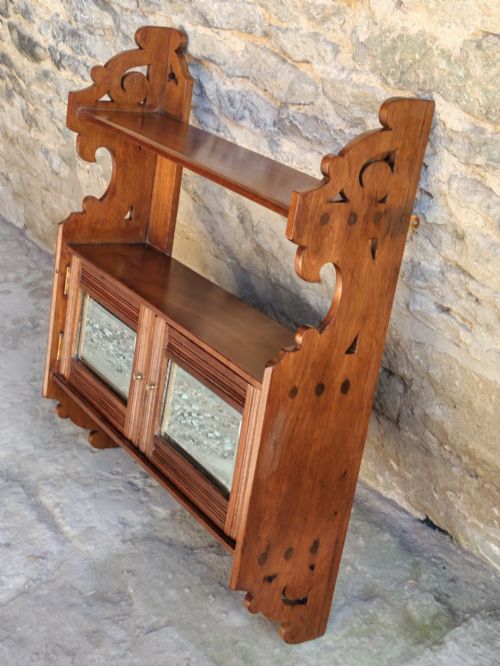


Edwardian Carved Wall Shelf
These edwardian carved wall shelf pieces combine practical display with period charm, offering a compact architectural focal point for any interior.
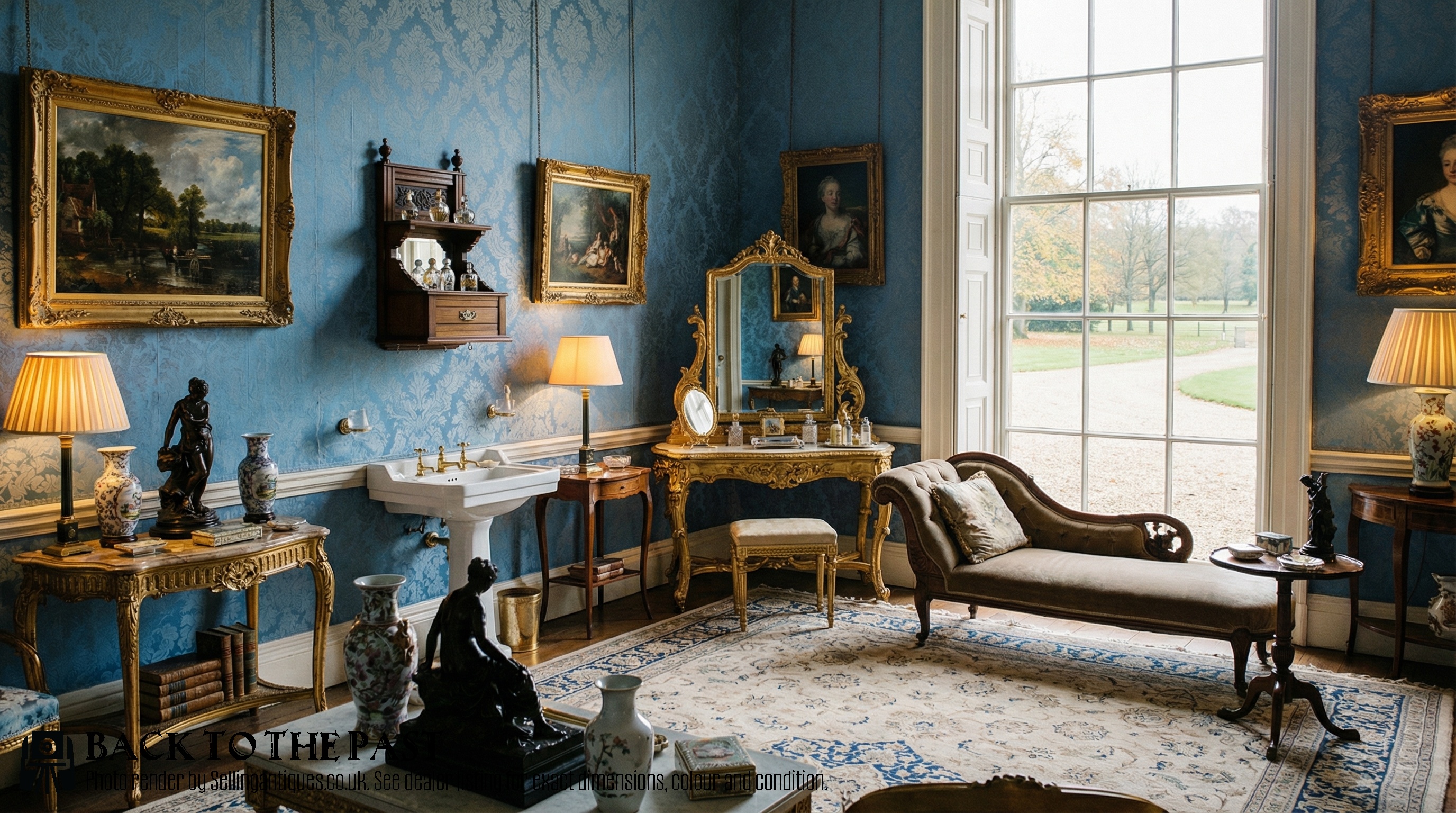
Edwardian Carved Wall Shelf
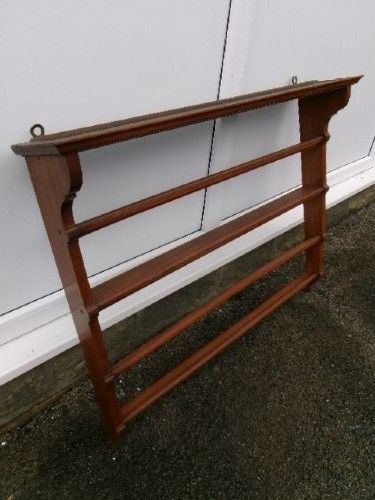
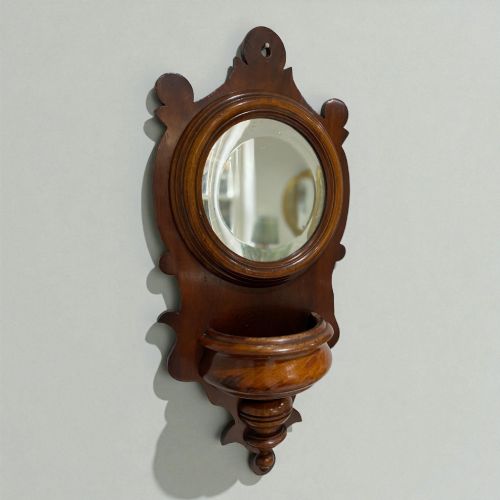
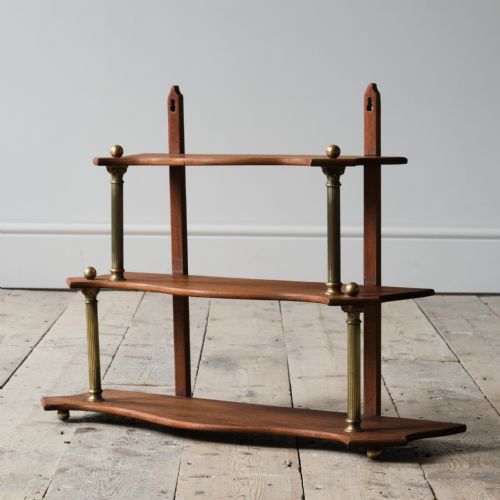
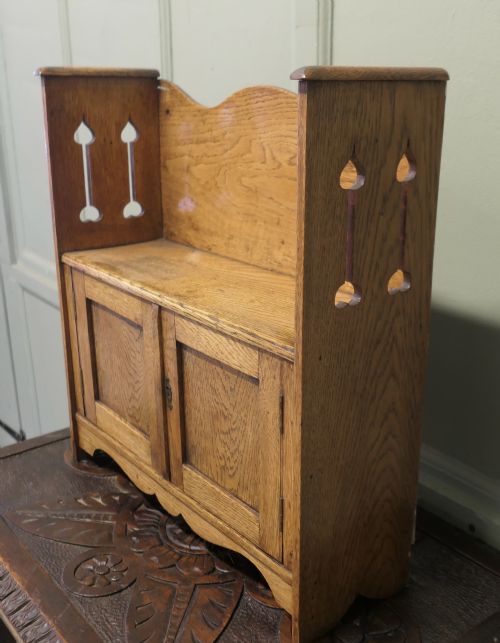
When you search for an edwardian carved wall shelf, you encounter timber hanging furniture designed to utilise vertical wall space in hallways, bedrooms, and reception rooms. The pieces appearing here span Edwardian, Victorian, and Arts and Crafts styles, reflecting the domestic tastes of the late nineteenth and early twentieth centuries.
You are most likely to meet mahogany, oak, and walnut configurations featuring integrated ledges, mirror glass, and hooks. While some examples provide simple open tiers for ornaments or books, others incorporate cabinets and small compartments for daily essentials.
Materials and construction
Cabinetmakers constructed these hanging ledges using solid hardwoods such as oak, walnut, and mahogany, frequently applying brass fixtures, glass mirrors, and gesso details. The woodwork often incorporates hand-carving alongside turned spindles, inlaid motifs, and applied mouldings.
Finishes range from polished natural grain to painted wood and black lacquer surfaces. Structural integrity relies upon secure hanging brackets and stable corner joints designed to support the weight of books, ceramics, and small collectibles against the wall.
Edwardian Carved Wall Shelf Retail Price Guide 2026
Typical asking prices for edwardian carved wall shelf among the pieces listed under this phrase on Sellingantiques today, from the lower quarter to the upper quarter. They describe what is for sale here now, not the wider market.
Listings feature oak, mahogany, and walnut woods alongside brass fittings and painted wood finishes across several distinct nineteenth and twentieth-century periods.
Assessing quality
The standard of carving and the selection of timber dictate the distinction between standard utilitarian items and finer decorative examples. Crisp, deeply hand-cut relief work and well-figured mahogany or oak set superior pieces apart from simpler, machine-routed production.
Original hardware, intact mirror plates, and sound joinery contribute significantly to an item's integrity. Secondary details like fine inlay, harmonious proportions, and untouched period patination indicate careful original manufacture and diligent survival over time.
Liberty & Co·John Moyr Smith
The Edwardian Carved Wall Shelf Glossary
- Overmantel
- A mirror or decorative structure designed to hang specifically on the wall above a fireplace mantelpiece. They frequently incorporate small display ledges and carved frames.
- Whatnot
- A set of open shelves standing on the floor or hanging on the wall, used for displaying ornaments and small decorative objects. They often feature multiple tiers supported by slender uprights.
- Gesso
- A plaster-like material applied to wood surfaces as a base for painting or gilding. It is frequently moulded into relief designs on frames and architectural ledges.
- Aesthetic Movement
- A late nineteenth-century design style emphasising visual beauty over narrative function. Pieces from this movement often employ clean lines, ebonised wood, and stylized carved motifs.
- Pier Mirror
- A tall vertical mirror designed to hang on the wall space between two windows. They occasionally incorporate console shelves or small hanging compartments at the base.
Edwardian Carved Wall Shelf: Frequently Asked Questions
How do I hang a wall shelf securely?
Most hanging ledges feature integrated brass fixing loops or robust wooden batten mounts on the reverse. You should anchor directly into wall studs or utilise appropriate cavity fixings suited to the weight of the timber.
Distributing the load evenly across the display surface prevents undue strain on the original hanging hardware. Ensuring a flush fit against the wall keeps the piece stable during daily use.
Were these shelves meant for books or ornaments?
Historical domestic interiors utilised these hanging pieces for multiple functions depending on the room. Smaller ledges in hallways held keys and letters, while bedroom and parlour versions supported ceramic plates, small clock faces, and pocket books.
The inclusion of cabinet doors or mirrored backs generally indicates a focus on decorative display rather than heavy working storage.
What distinguishes Edwardian design from Victorian pieces?
Edwardian furniture generally exhibits lighter proportions, simpler lines, and brighter finishes compared to heavier, darker Victorian counterparts. Makers of the Edwardian era frequently drew inspiration from earlier Georgian forms while retaining practical domestic utility.
Victorian pieces often display denser ornamentation, more robust structural timbers, and heavier Gothic or classical Revival influences.