



Edwardian Carved Oak Chest
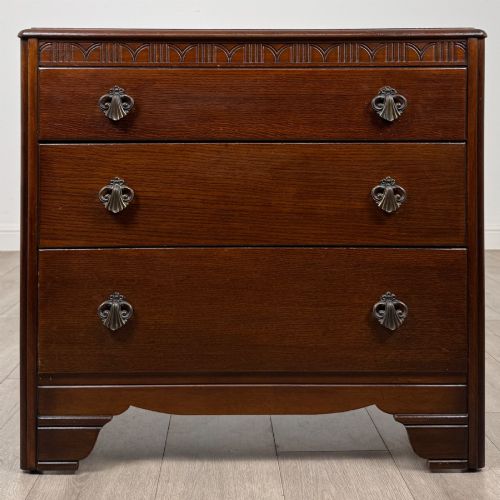
An edwardian carved oak chest brings solid timber storage and period craftsmanship into a room.
Edwardian Carved Oak Chest
An edwardian carved oak chest encompasses storage furniture built from timber during the early twentieth century alongside related forms like coffers and blanket chests. These pieces display period styles including Jacobean Revival and Arts and Crafts detailing.
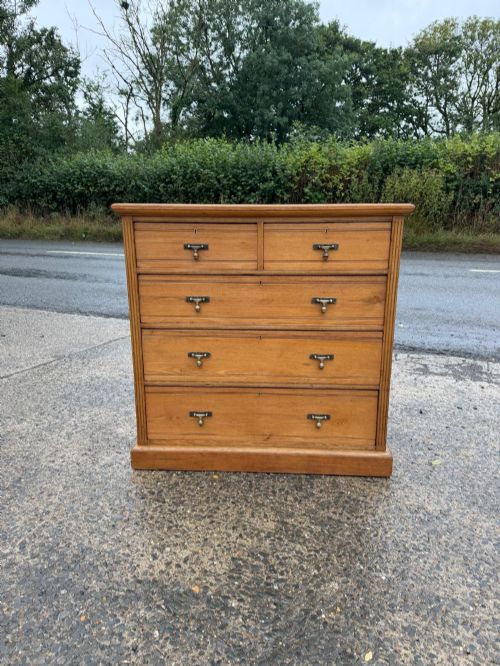
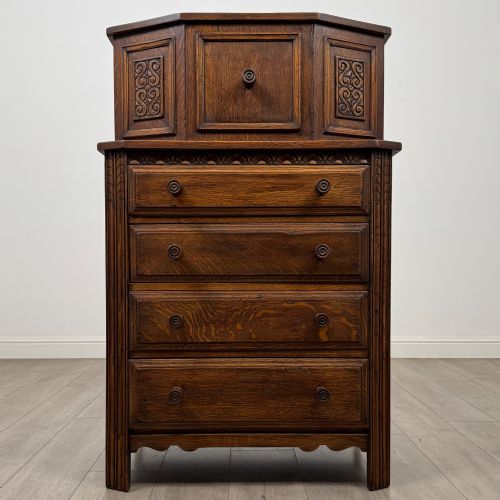
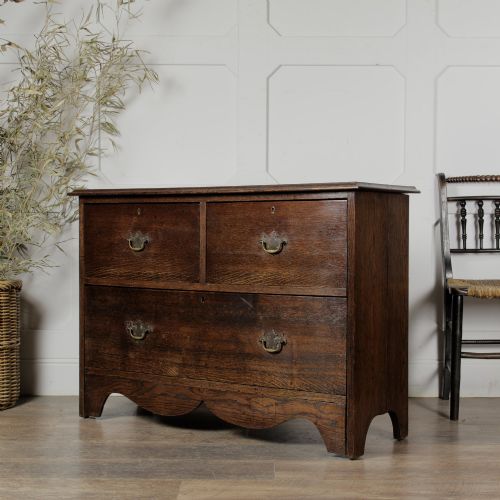
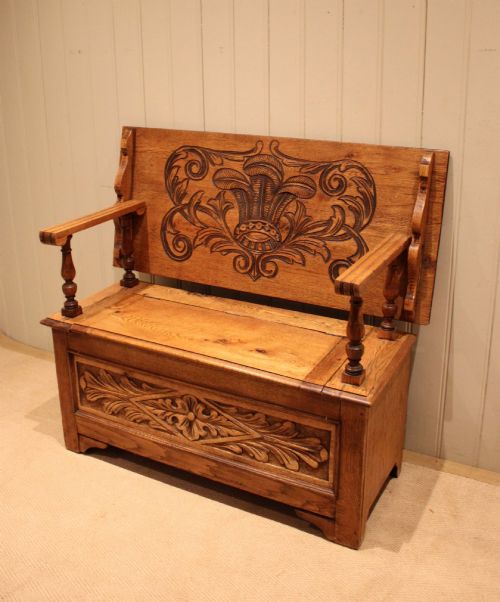
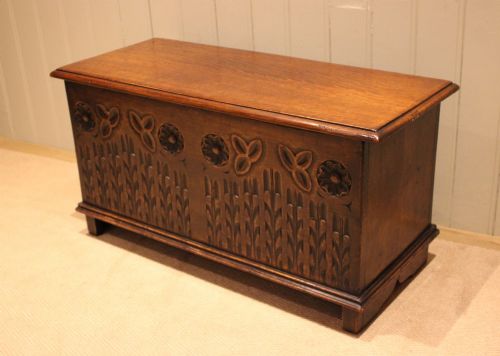
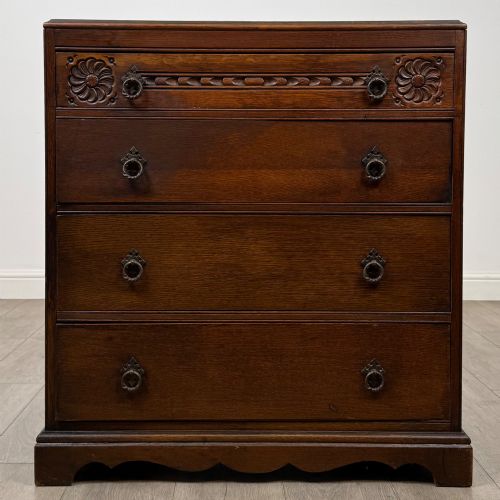
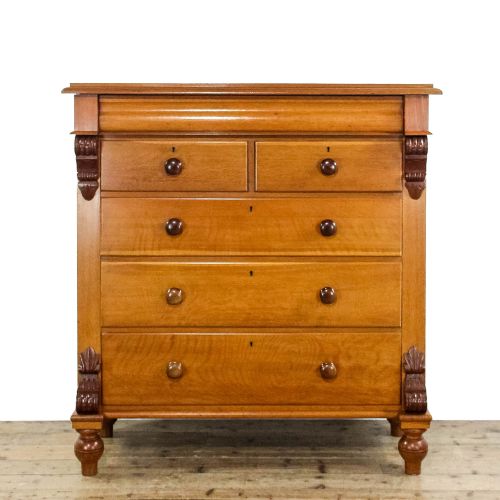
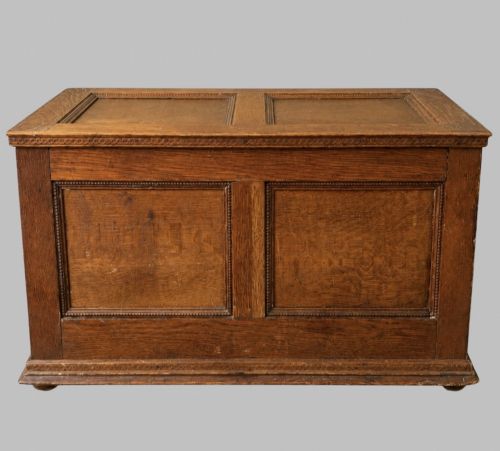
The version most commonly met on this page is the solid oak chest of drawers or panelled coffer dating from the Edwardian era. These items combine practical storage compartments with carved decoration.
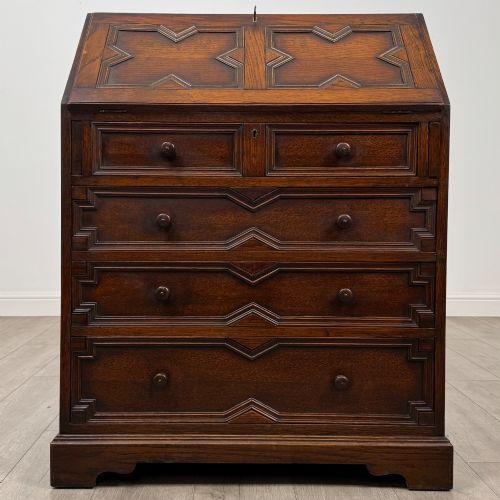
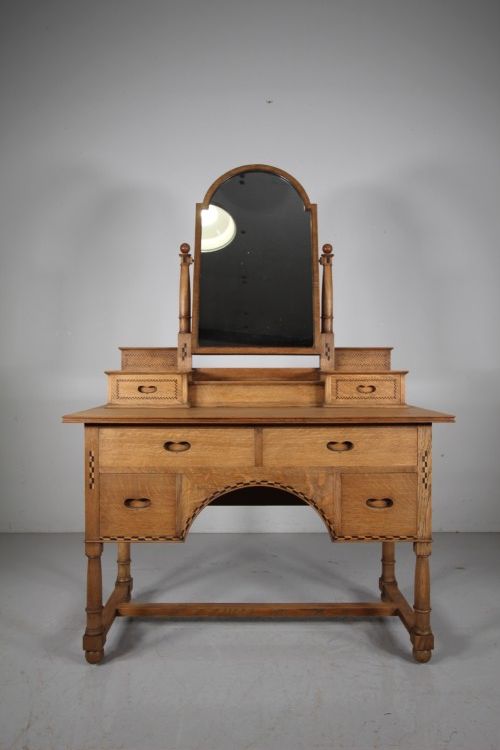
Makers and workshops of the period produced these forms alongside dressing chests, bureaux, and hall settles. The evidence also records earlier Victorian pieces and revival examples sharing similar timber construction.
Materials and construction
Cabinet makers utilised solid oak to build these pieces, often selecting quartersawn timber that reveals distinct grain patterns. Panels are jointed into frames to accommodate natural wood movement over time.
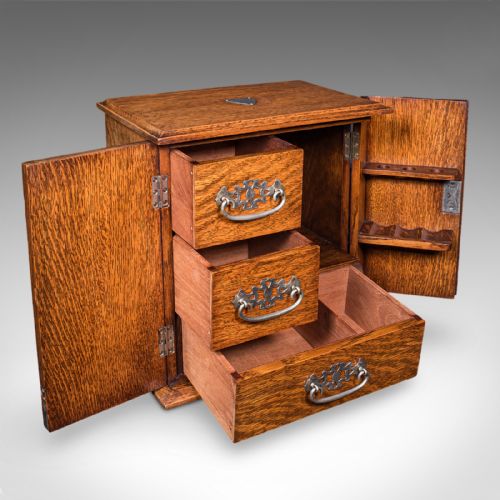
Carved decoration is worked directly into the timber surface rather than applied as separate ornamentation. Brass and metal fittings such as handles, hinges, and locks secure drawers and lids.
Secondary materials such as glass, iron, and wood inlay appear on specific forms like cabinets and dressing tables. Limed finishes are also recorded on pieces representing later Arts and Crafts work.
Materials recorded across these listings include solid oak, brass, iron, glass, and wood inlay.
Distinguishing quality
The refinement of the carved decoration separates standard production from finer workshop output. Crisp, deeply chiselled motifs show greater skill than shallow or mechanical incision.
The selection and treatment of the oak timber itself dictates the character of the piece. Uniform grain, substantial solid oak construction, and thoughtful jointing distinguish better examples from simpler utility items.
Heals·Shapland and Petter·Manoah Rhodes and Sons Ltd·Peter Waals
The Edwardian Carved Oak Chest Glossary
- Coffer
- A large wooden chest with a hinged lid used originally for storage. These pieces frequently feature panelled construction and carved decoration.
- Arts and Crafts
- A design movement valuing handcraftsmanship and simple forms over mass production. Pieces from this style often display honest construction and minimal ornament.
- Limed oak
- Timber treated with a special finish that lightens the grain. This technique appears on specific early twentieth-century pieces.
- Solid oak
- Timber construction using genuine oak throughout rather than veneer over secondary woods. This material provides weight and durability.
Edwardian Carved Oak Chest: Frequently Asked Questions
What is an edwardian carved oak chest?
An edwardian carved oak chest is a timber storage piece produced during the early twentieth century featuring carved surface ornamentation. These items range from simple blanket boxes to panelled coffers.
Such furniture relies on solid oak construction and reflects design influences from the Arts and Crafts movement and Jacobean revival styles.
How were these chests used?
These chests provided secure domestic storage for household linens, clothing, and valuables in Edwardian homes. Lidded coffers and blanket chests kept textiles protected from dust.
Drawers and internal compartments allowed owners to organise personal items within bedrooms, halls, and living spaces.
How do I date an oak chest?
Dating relies on examining construction methods, timber selection, and stylistic details recorded across the period. Edwardian pieces combine traditional joinery with characteristic early twentieth-century proportions.
Revival pieces often incorporate seventeenth-century motifs while retaining the cleaner lines and hardware specific to later workshops.
Where should I place an oak chest?
An oak chest suits living rooms, bedrooms, or hallways where sturdy surface space and enclosed storage are useful. Placing timber furniture away from direct heat sources protects the wood.
These pieces integrate well into traditional or contemporary interiors alongside other solid wood furnishings.