

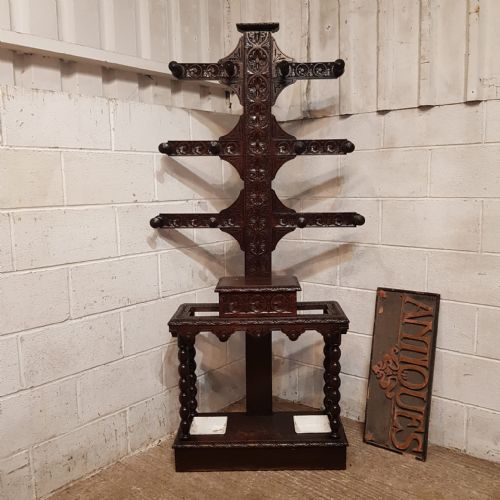


Edwardian Carved Oak Box
An edwardian carved oak box offers sturdy storage and dense floral or geometric chip carving characteristic of the early twentieth century.
Edwardian Carved Oak Box
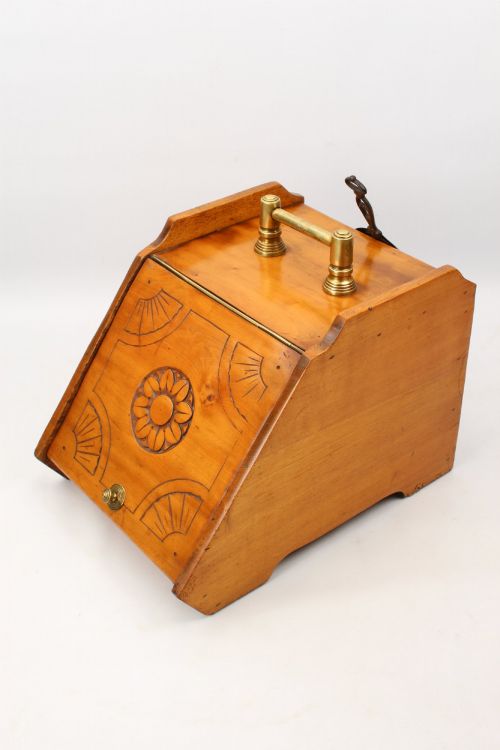
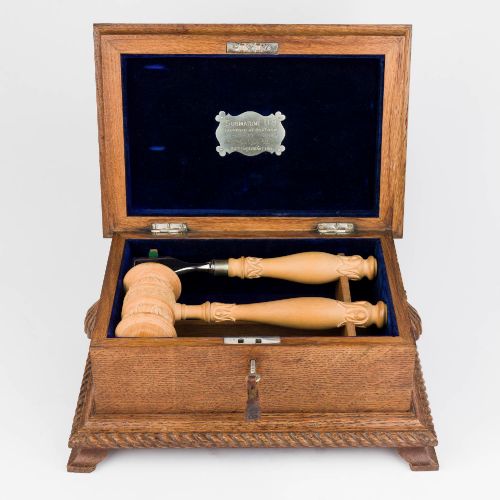
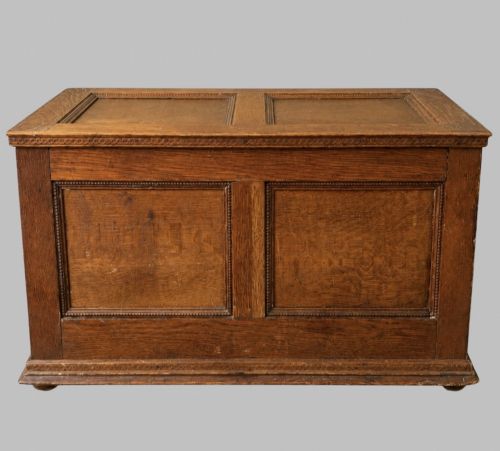
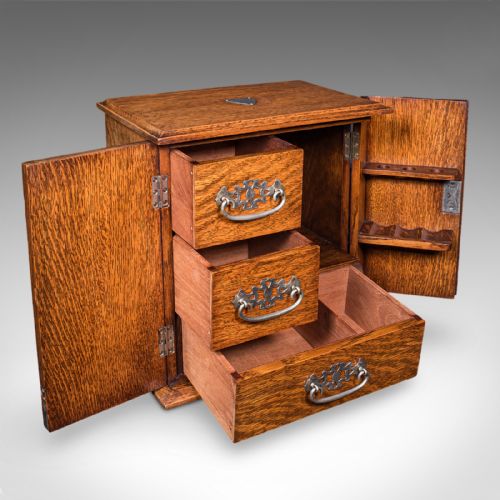
When you search for an edwardian carved oak box, you encounter items ranging from blanket chests and blanket boxes to coal scuttles, purdoniums, and smoker's cabinets. These pieces span the late nineteenth century into the Edwardian period, often incorporating stylistic elements from Arts and Crafts and Art Nouveau movements.
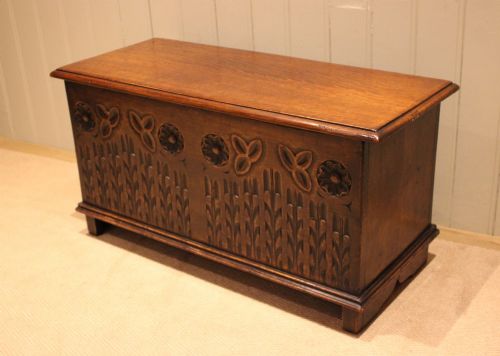
The version you most frequently meet on this page is the purdonium or coal box, alongside panelled coffers and small desk boxes fitted with brass handles and hinges. Such items served practical domestic purposes in hallways and reception rooms, combining functional storage with decorative surface carving.
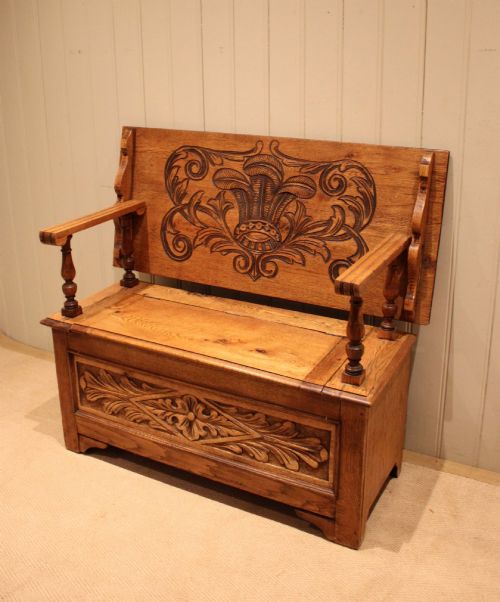
Many examples utilise solid timber with panelled construction, lid compartments, and lift-up seats as seen in hall benches and settlers. The scale varies from small tabletop cigar cabinets to large hall furniture items designed for daily utility.
Materials and Construction
Makers relied principally upon solid oak, utilising both plain and golden varieties alongside pollard oak for decorative contrast on panels and lids. Timber preparation involved traditional jointing techniques, including tongue and groove panels, dovetailed corners, and pegged mortise and tenon joints.
Metalwork played a structural and decorative role, featuring cast brass handles, hinges, strapwork, and iron fittings. Liners made of metal or ceramic accompanied coal boxes, while glass and silver plate appeared in specialised items such as tantalus sets and biscuit boxes.
Materials documented across the inventory include solid oak, brass, iron, glass, silver plate, and camphor wood.
Craftsmanship and Proportion
The depth and crispness of the hand-carved decoration separate simpler items from finer workshop pieces. Deep relief carving with clean tool marks indicates higher skill than shallow, machine-routed patterns.
Hardware integrity and original components dictate overall standard. Items retaining their original brass handles, locks, internal metal liners, and matching shovels hold greater historical completeness than those with replaced elements.
Manoah Rhodes & Sons Ltd
The Edwardian Carved Oak Box Glossary
- Purdonium
- A specialised cabinet designed to hold coal, typically featuring a sloping front drop-down door and a carrying handle. These containers kept fuel tidy beside the fireplace.
- Coffer
- A heavy wooden chest with a hinged lid, constructed with panelled sides and often decorated with linenfold or chip carving. They served for storing textiles and valuables.
- Tantalus
- A locking wooden frame holding decanters visible behind bars, preventing unauthorized access to spirits while displaying the bottles. They usually feature brass mounts and lockable handles.
- Monks bench
- A convertible piece of furniture featuring a folding back that transforms from a high-backed seat into a flat table top. The base frequently incorporates a box or chest for storage.
- Arts and Crafts
- A design movement emphasising handcraftsmanship, simple structural forms, and traditional guild methods. Pieces from this style avoid excessive machine ornamentation in favour of natural material textures.
Edwardian Carved Oak Box: Frequently Asked Questions
What is a purdonium?
A purdonium is a dedicated household box or cabinet built specifically to store coal next to a fireplace. They usually feature a sloping front lid and often contain a metal liner and matching shovel.
These containers kept sitting rooms clean by containing coal dust and hiding messy fuel inside a decorative wooden enclosure.
How do I spot Edwardian oak?
Edwardian oak items often display lighter golden tones compared to the darker, heavily polished finishes of mid-Victorian furniture. Carving styles frequently lean towards Art Nouveau plant motifs or geometric Arts and Crafts patterns.
Examine the construction joints and interior timber surfaces to confirm solid oak rather than veneered deal substrates.
How were blanket chests used?
Blanket chests provided secure storage for household linens, quilts, and winter garments in bedrooms and hallways. Their heavy panelled lids also allowed them to double as casual seating.
In daily life, placing one at the foot of a bed or in a boot room kept textiles free from dust and dampness.
What is chip carving?
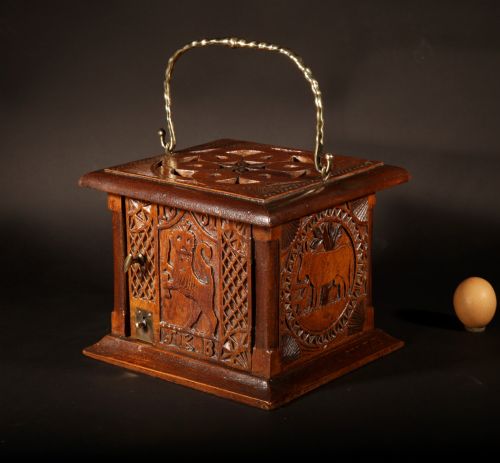
Chip carving is a technique where the maker removes small geometric triangles of wood from the surface to create intricate, faceted patterns. It requires steady hand-knife work rather than deep gouge chisels.
You will often find this type of ornamentation on smaller desk boxes, book safes, and folk art items from the period.