


Edwardian Canterbury
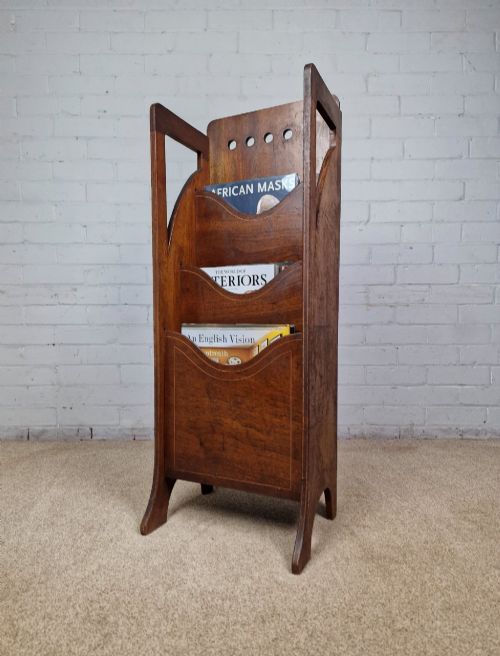
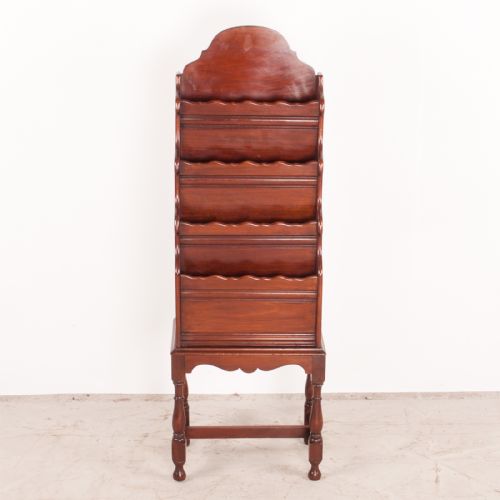
An Edwardian canterbury is a practical piece of furniture designed to hold folios, sheets of music, and periodicals within reach.
Edwardian Canterbury
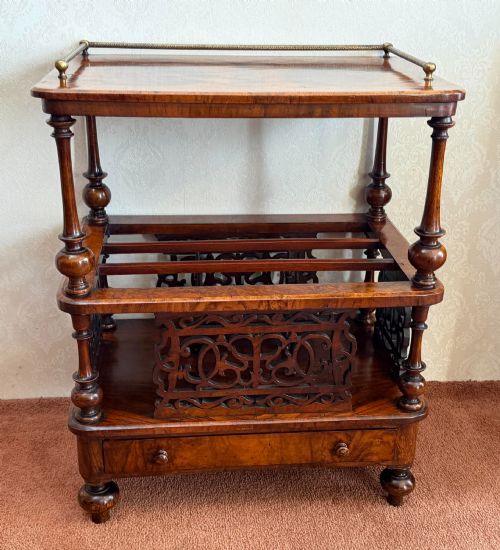
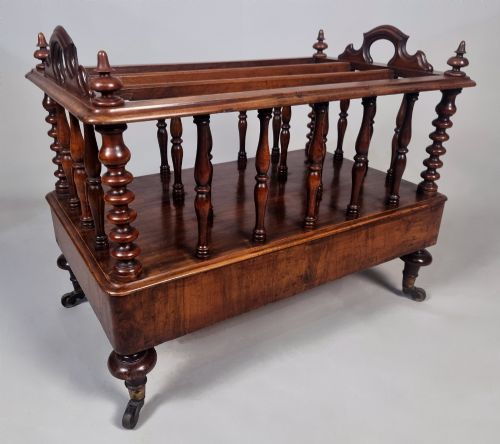
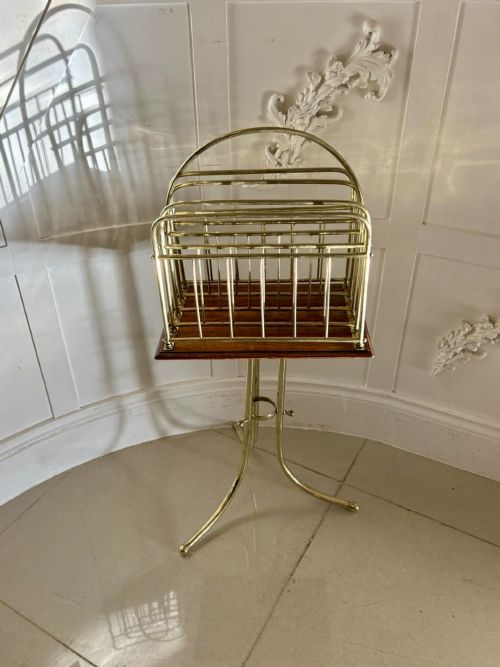
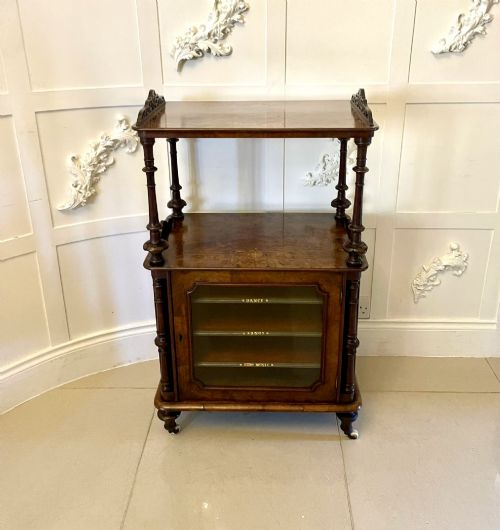
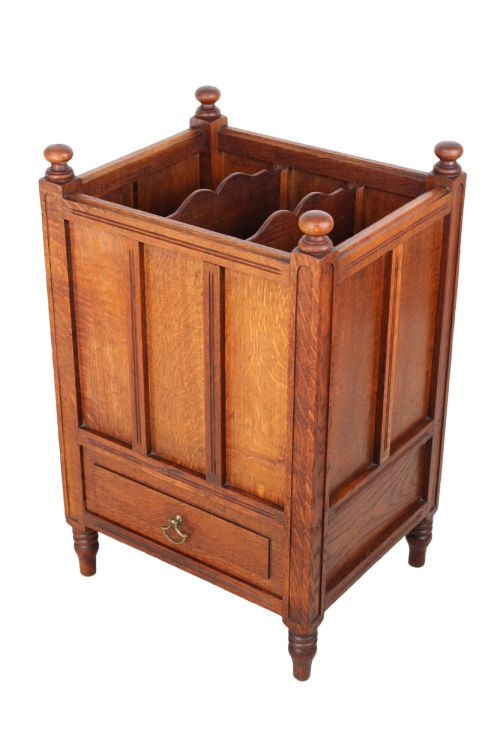
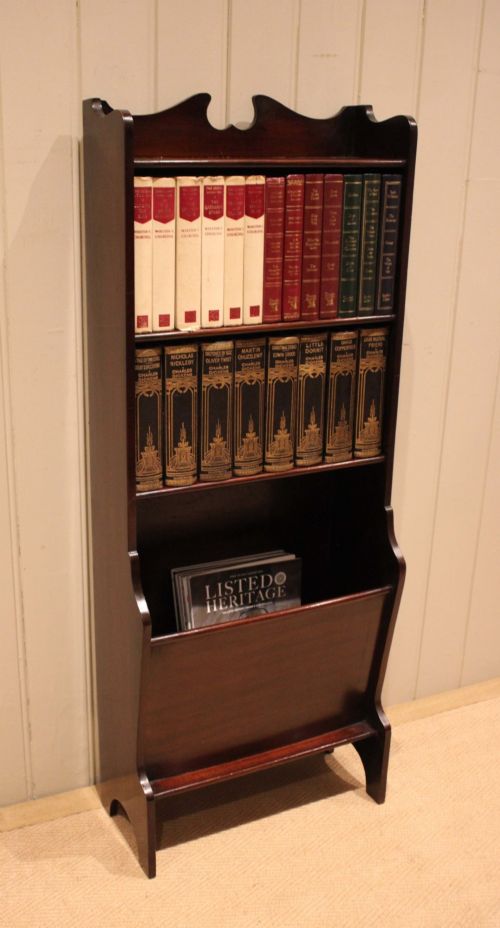
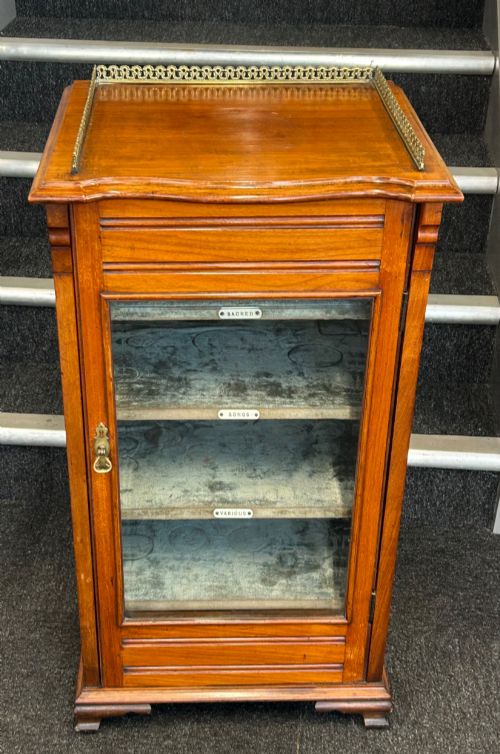
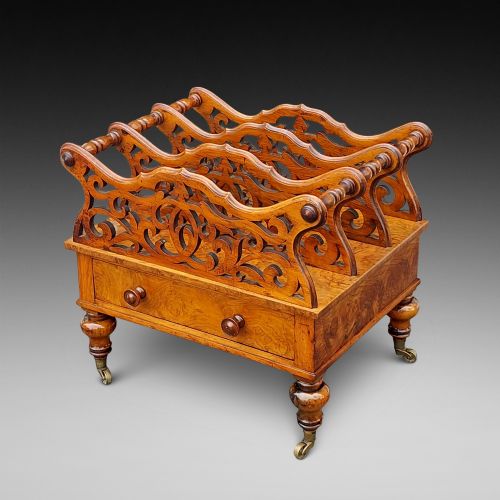
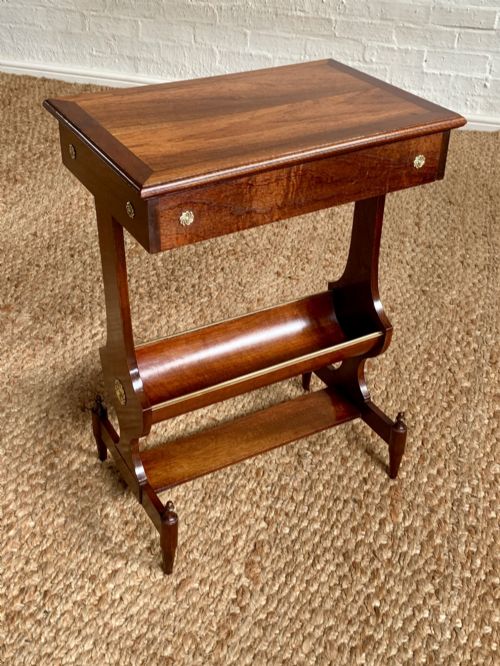
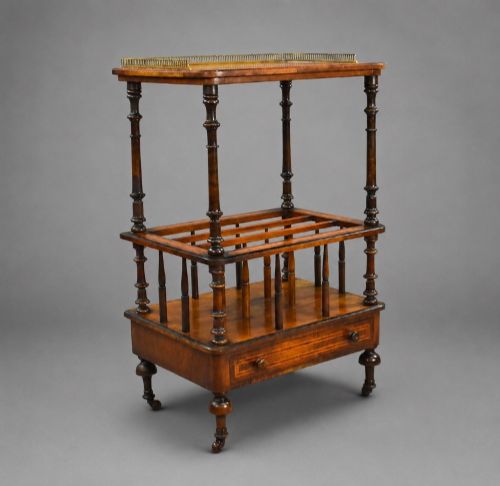
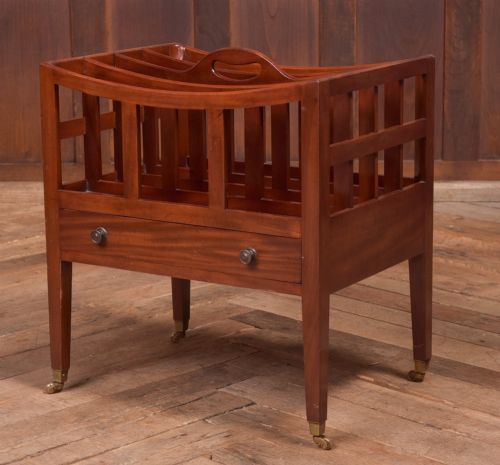
The edwardian canterbury encompasses versatile pieces designed to organise sheet music, periodicals, and books in sitting rooms and studies. While true canterburys feature partitioned vertical sections for upright storage, many examples on this page combine this function with drawers, side tables, or cabinets.
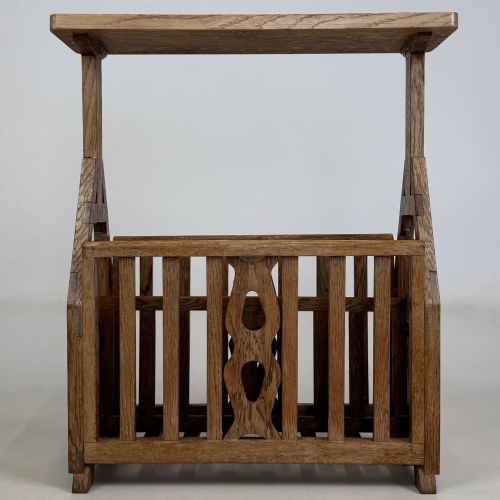
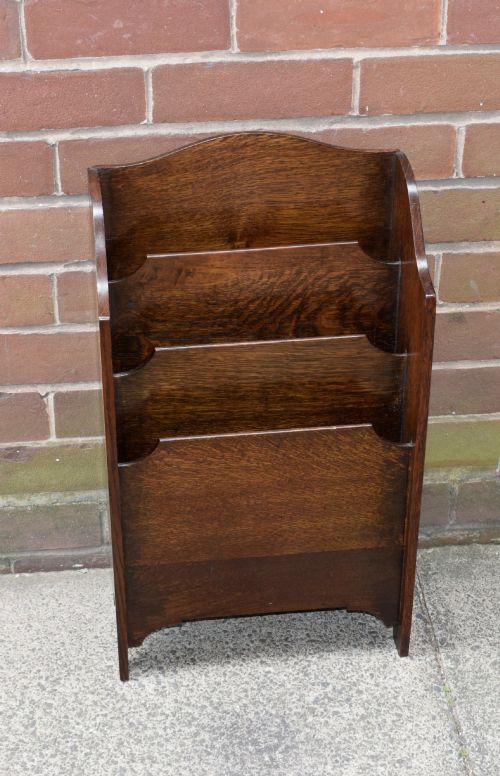
Buyers frequently encounter variations spanning from traditional slotted frames to combined music cabinets and magazine racks. These items emerge in forms ranging from standalone low stands to multi-tiered occasional tables with integrated slots.
Originating predominantly from the Edwardian era and the Victorian period, these pieces reflect the domestic habits of households requiring dedicated storage for daily reading and musical scores.
Materials and construction
Cabinet makers utilised dense hardwoods such as mahogany, walnut, burr walnut, and oak to construct the primary frames and partitions of each edwardian canterbury. Finer examples display decorative marquetry inlay, contrasting veneers, and brass fittings.
Structural integrity relied on stable joinery to support the weight of heavy paper and bound volumes, often supplemented by turned legs, castors, and copper accents in Arts and Crafts interpretations.
Edwardian Canterbury Retail Price Guide 2026
Typical asking prices for edwardian canterbury among the pieces listed under this phrase on Sellingantiques today, from the lower quarter to the upper quarter. They describe what is for sale here now, not the wider market.
Some versatile specimens double as occasional tables, letting you rest your tea directly above last week's political pamphlets.
Distinctions in quality
Quality rests upon the selection of timbers, where figured burr walnut or carefully matched mahogany veneers elevate a piece above plain utilitarian builds. The crispness of inlaid marquetry and the retention of original brass castors further distinguish superior examples.
The complexity of the form dictates standard, with multi-functional items featuring drawers, fall fronts, or tiered shelves requiring greater joinery skill than simple open racks.
Finnigans
The Edwardian Canterbury Glossary
- Canterbury
- A low stand with partitions for holding music sheets, books, or periodicals. Originating in the late eighteenth century, it evolved into a staple domestic furniture form by the Victorian and Edwardian eras.
- Marquetry
- Decorative patterns formed by fitting small pieces of veneer into a wooden background. This technique created intricate floral or geometric designs on cabinet tops and drawer fronts.
- Music cabinet
- An enclosed piece of furniture fitted with internal shelves or drop-down compartments for storing sheet music. They frequently share functional overlaps with traditional magazine racks.
- Whatnot
- An open set of multi-tiered shelves used for displaying ornaments or holding books. Some variants incorporate lower sections dedicated to magazine storage.
Edwardian Canterbury: Frequently Asked Questions
How were they used historically?
Households placed these stands beside pianos or armchairs to keep current newspapers, books, and music sheets close at hand.
Their compartmentalised designs kept unbound folios upright and prevent them from bending or slumping.
How do I style one today?
These items fit naturally beside sofas as side tables that double as practical magazine holders in modern sitting rooms.
Their compact footprints also suit hallways or studies for sorting daily post and periodicals.
What woods are typical?
Makers relied heavily on mahogany, oak, and figured walnut for durability and decorative grain patterns.
Rosewood and bamboo also appear in specific Victorian and Edwardian variations.