


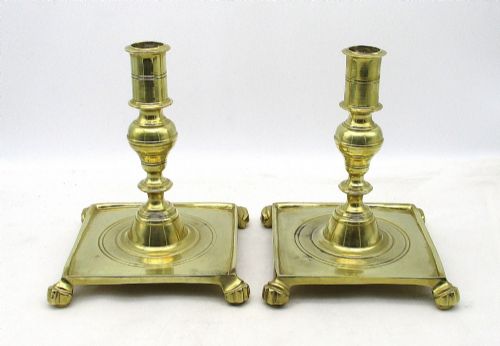
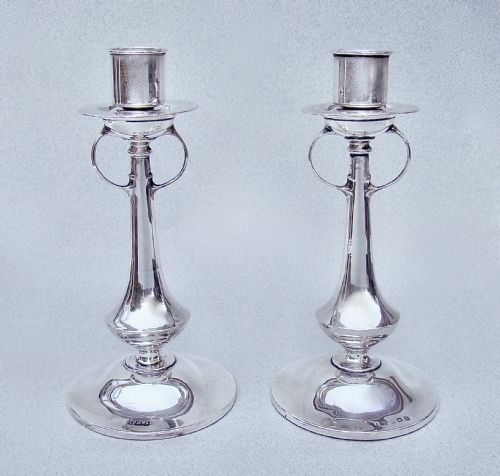

Edwardian Candleholder
An edwardian candleholder brings period charm and steady candlelight to a room, ranging from simple brass designs to silver table pieces.
Edwardian Candleholder
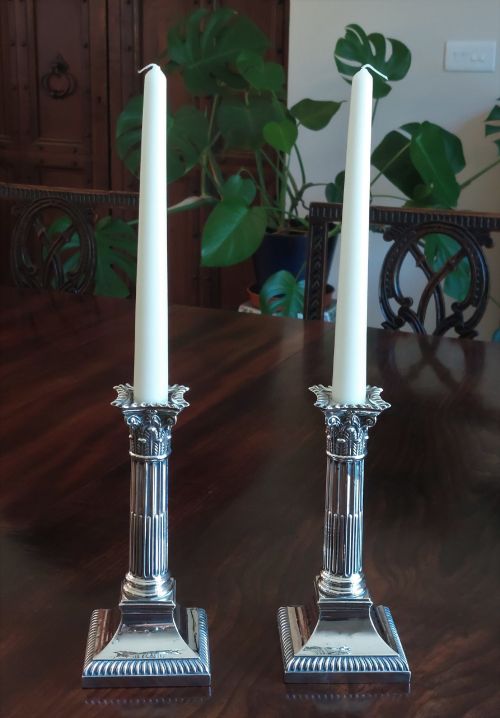
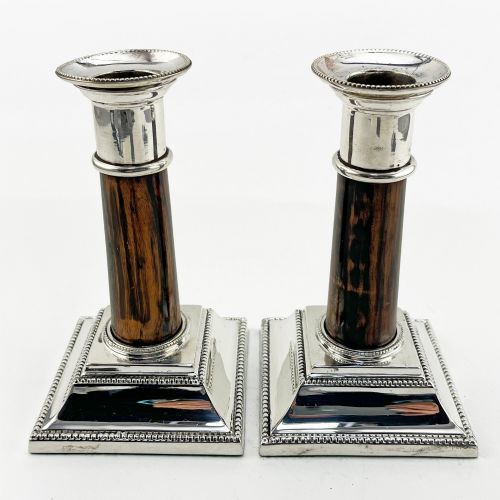
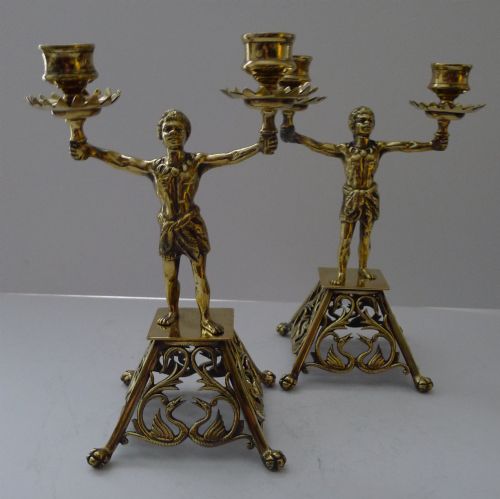
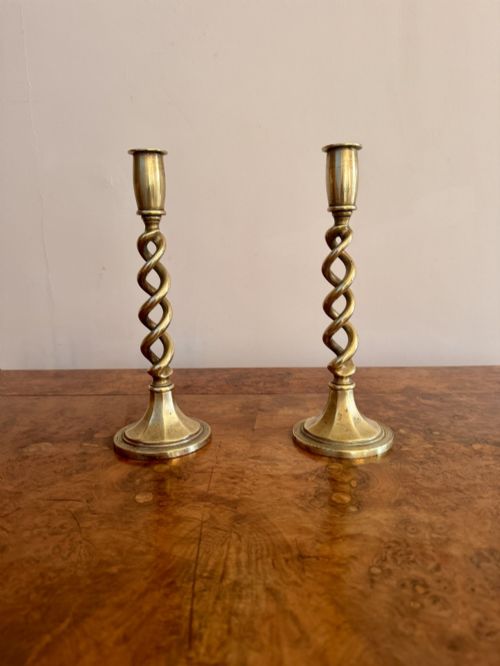
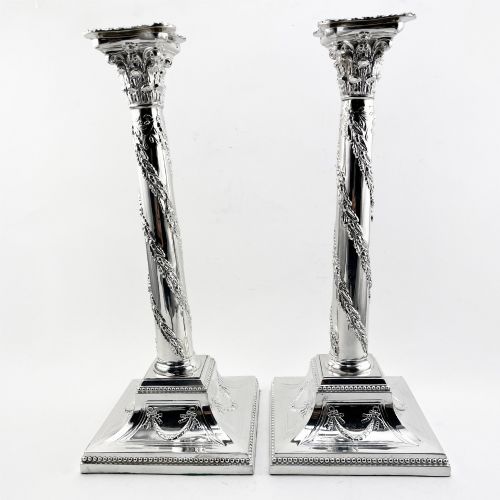
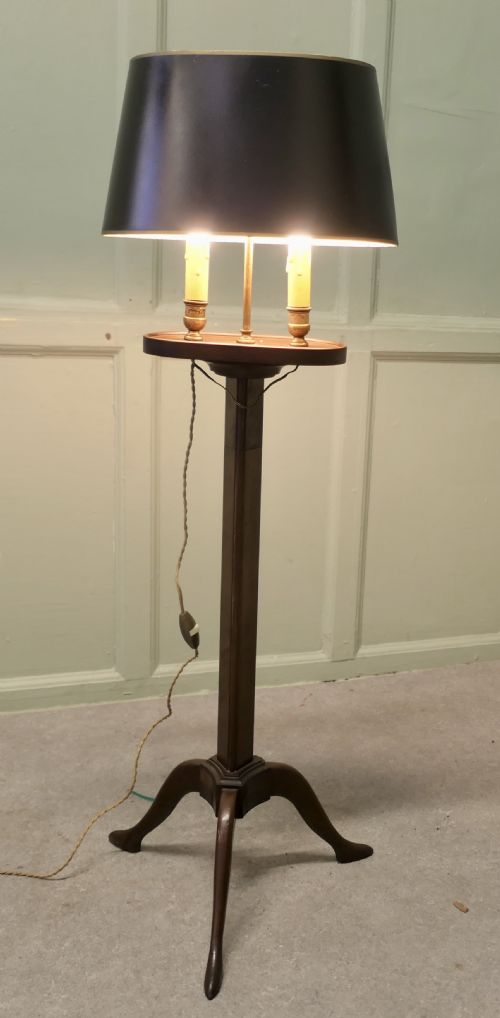
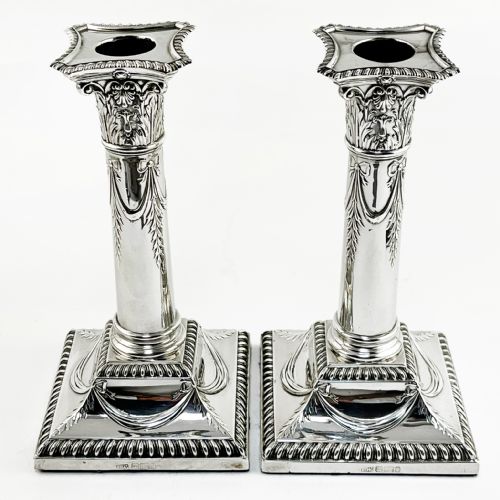
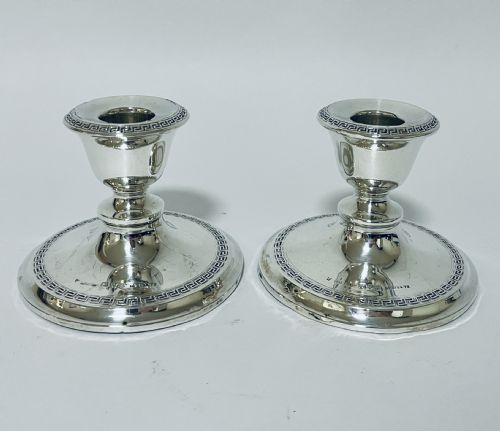
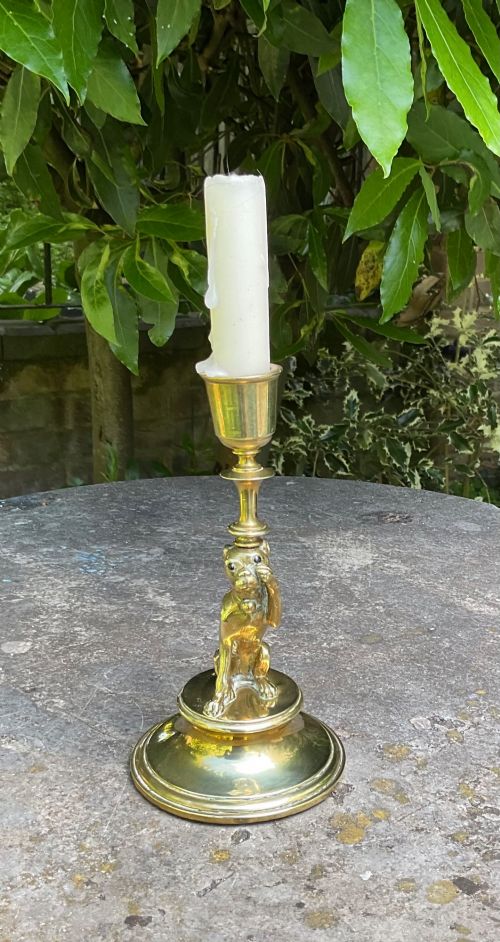
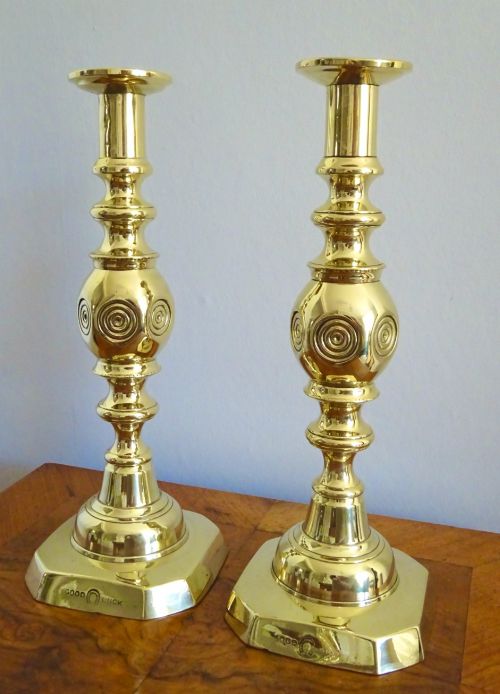
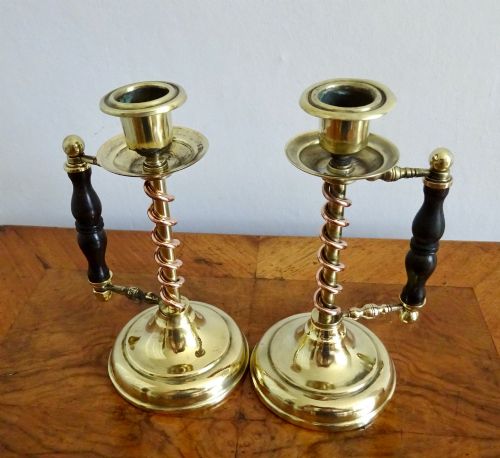
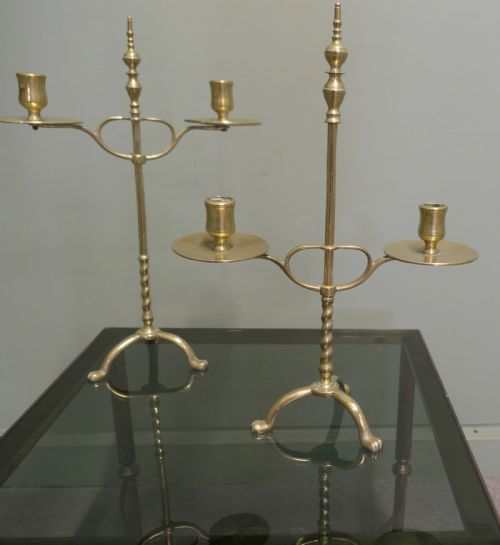
When you search for an edwardian candleholder, you encounter items designed to hold wax or tallow candles for domestic illumination during the early twentieth century and surrounding decades. The selection includes tall candlesticks, short desk pieces, chambersticks with finger rings, and multi-light candelabras.
The objects most frequently met on this page originate from the Edwardian era and the late Victorian period, extending into the 1920s. Common forms include matched pairs in polished metals, alongside occasional ceramic vessels and turned wood pieces.
How they were made
Metal items such as brass, copper, bronze, and pewter were cast, spun, or hammered into shape, often utilising Arts and Crafts techniques or classical revival motifs. Sterling silver and silver-plated examples frequently display stamped hallmarks and applied ornamentation.
Wooden items rely on lathe turning to create bobbin or twist profiles from timbers like mahogany and teak, while ceramic variants employ moulded clay with glazed or jasper finishes.
Edwardian Candleholder Retail Price Guide 2026
Typical asking prices for edwardian candleholder among the pieces listed under this phrase on Sellingantiques today, from the lower quarter to the upper quarter. They describe what is for sale here now, not the wider market.
Listings feature materials spanning sterling silver, silver plate, brass, copper, pewter, bronze, ceramic, and turned wood.
What varies in quality
Quality rests in the crispness of casting detail and the weight of the metal or wood used in the construction. Pieces that retain clear hallmarks, balanced proportions, and clean joints demonstrate superior craftsmanship.
Design execution also dictates standard, where hand-beaten Arts and Crafts textures or well-defined Neoclassical capitals separate standard production items from finer workshop creations.
James Fenton·Frederick J Smith & Co·Liberty·Royal Doulton·Thomas Bradbury & Sons Ltd
The Edwardian Candleholder Glossary
- Chamberstick
- A low candleholder fitted with a saucer base and a loop handle for carrying room to room. These portable pieces often included a small conical snuffer.
- Candelabra
- A branched candlestick holding multiple candles on separate arms. They provide a wider spread of light than single stems.
- Hallmark
- A stamp impressed into precious metals indicating the standard of purity, the assay office, and the date letter. English silver pieces carry these marks for identification.
- Capitals
- The decorative upper portion of a candlestick column, often styled in classical orders such as Corinthian. They sit directly beneath the drip pan.
- Jasper
- A fine-grained stoneware developed by Josiah Wedgwood, known for its contrasting coloured reliefs applied against a solid background.
Edwardian Candleholder: Frequently Asked Questions
What is a chamberstick?
A chamberstick is a low candleholder featuring a saucer base and a loop handle, designed to be carried safely through a dark house.
Victorian and Edwardian households used them for lighting the way to bedrooms at night before electric hall lighting became common.
How do I clean antique brass?
Antique brass requires gentle cleaning with a soft cloth to preserve the aged patina that accumulates over decades of handling.
Avoid harsh chemical dips that strip the surface character and leave the metal unnaturally bright.
Are silver plated candlesticks solid?
Silver plated pieces typically consist of a base metal like brass or copper coated in a thin layer of silver. Many hollow candlesticks also contain a weighted interior base for stability.
Makers often filled the bases with resin or plaster to prevent tipping.
How do I date these pieces?
Dating relies on a combination of material styles, manufacturing techniques, and maker marks stamped into the metal or ceramic base. Silver items use official hallmarks that record the exact year of assay.
Stylistic cues such as Art Nouveau curves or Neoclassical columns further narrow down the period of origin.