



Edwardian Bronze Lamp
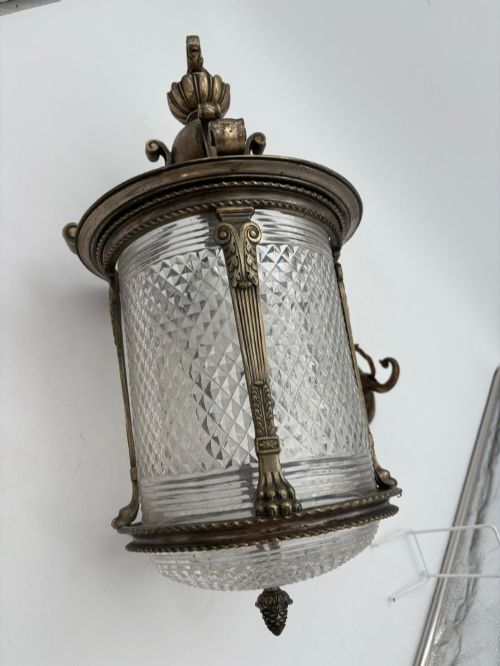
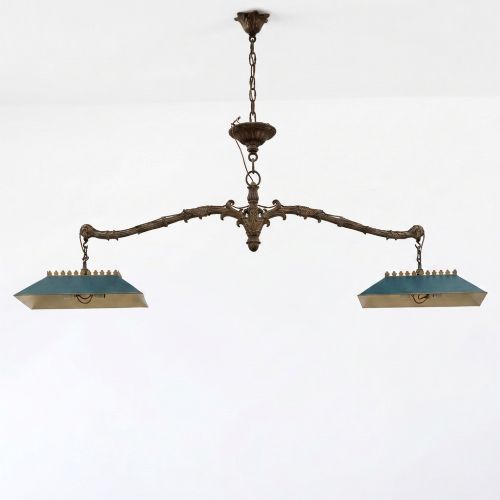
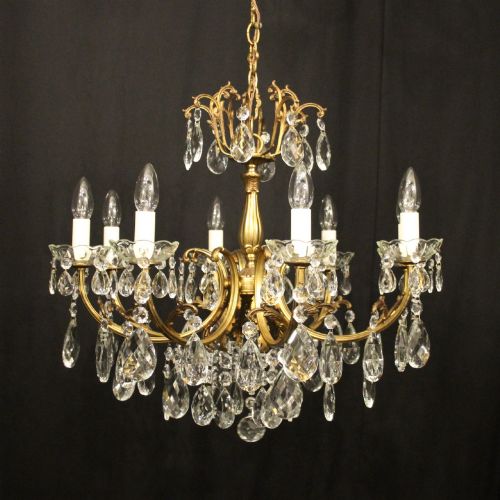
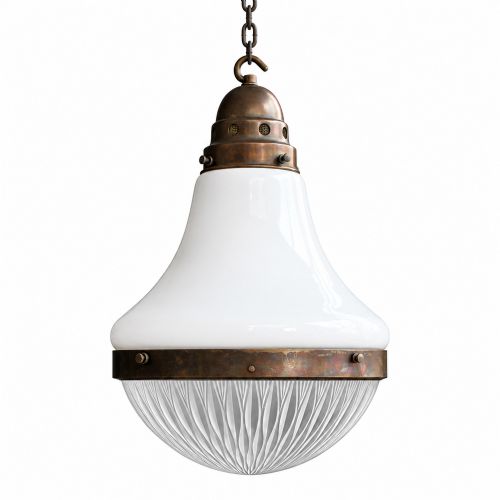
An edwardian bronze lamp brings heavy metalwork and period illumination into a room, offering both functional light and strong decorative presence.
Edwardian Bronze Lamp
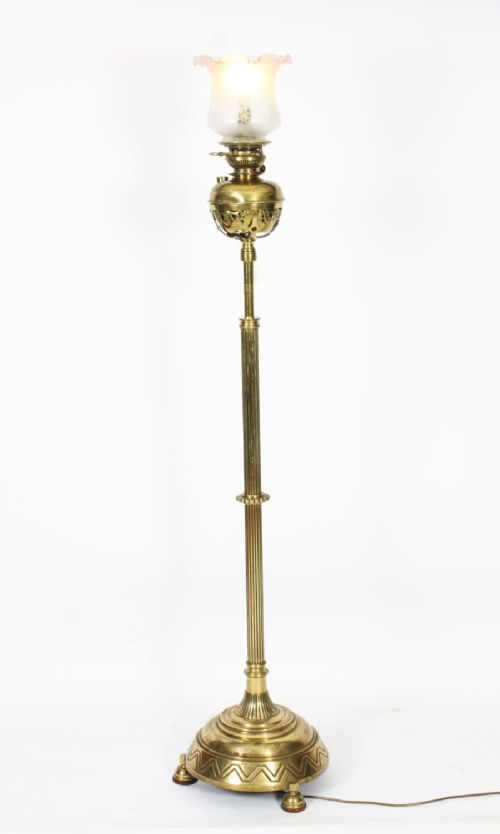
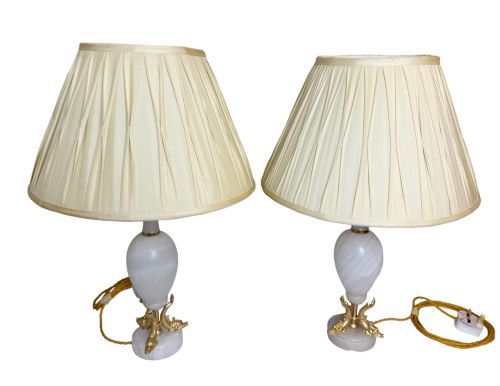
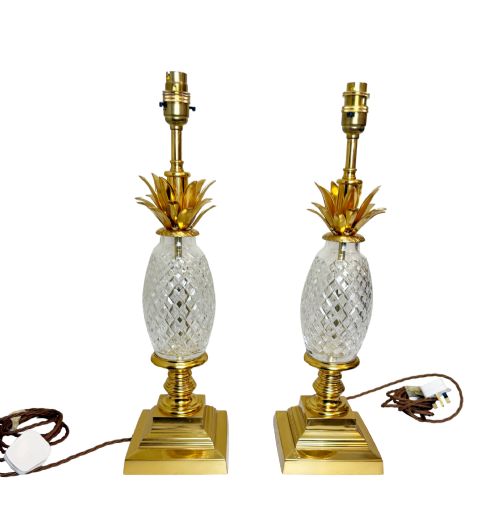
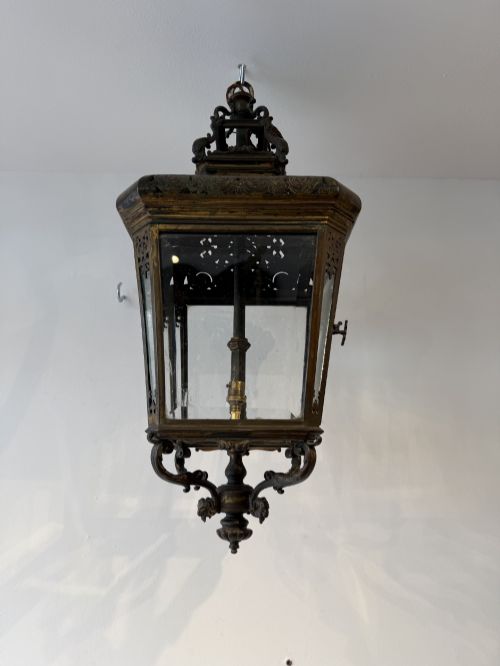
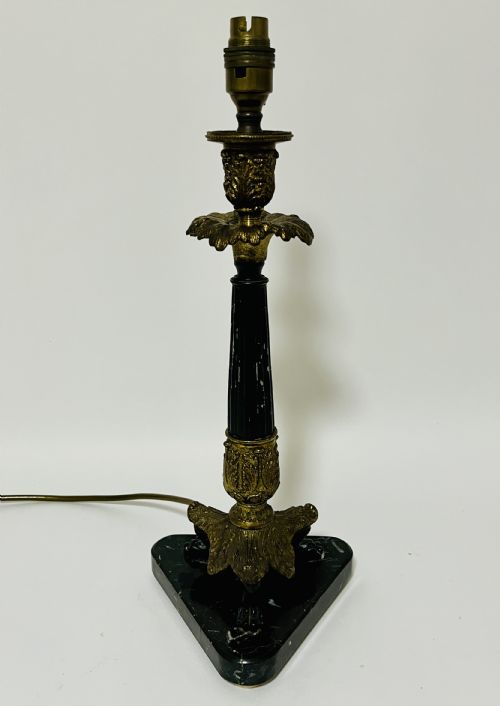
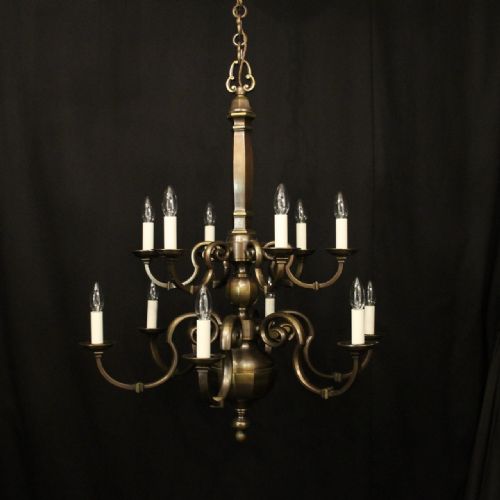
When someone searches for an edwardian bronze lamp, they encounter lighting fixtures spanning standard floor models, desk lamps, and table forms produced around the early decades of the twentieth century. These pieces often blend cast metal structures with glass, marble, or fabric components to achieve their characteristic weight and silhouette.
The selections on this page demonstrate the overlap between Edwardian production and related eras, including late Victorian and 1920s variants. Table lamps and floor-standing oil lamps adapted for electricity appear alongside heavy column lamps and adjustable reading lights.
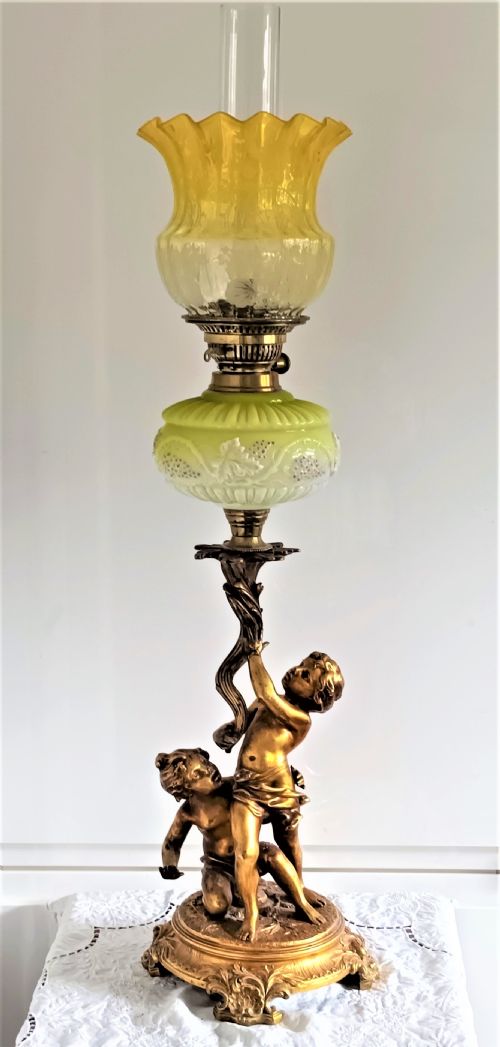
French influence runs deep through the selection, with French Empire, Rococo Revival, and Art Nouveau styles sitting alongside straightforward English column designs. Makers utilised bronze, gilt bronze, and ormolu to achieve finishes that range from dark patinated metal to bright, gilded surfaces.
Materials and construction methods
Foundries cast bronze and brass using traditional techniques, creating substantial bases, columns, and figural components that required careful finishing by hand. Ormolu and gilt bronze treatments added gold-toned layers to the metal surfaces through mercury gilding or electroplating.
Combinations of materials define the period aesthetic, pairing heavy metalwork with crystal drops, cut glass shades, marble plinths, and onyx bases. Faience pottery, enamel, and glass cabochons frequently provide colour and textural contrast against the dark bronze frames.
Edwardian Bronze Lamp Retail Price Guide 2026
Typical asking prices for edwardian bronze lamp among the pieces listed under this phrase on Sellingantiques today, from the lower quarter to the upper quarter. They describe what is for sale here now, not the wider market.
Listings combine English column lamps with French Empire and Art Nouveau table designs, utilising bronze, brass, marble, and crystal.
Distinguishing quality in period lighting
The crispness of the casting separates finer examples from standard commercial production, particularly in figural elements like cherubs, torcheres, and floral motifs. Well-executed chasing and hand-finishing leave sharp details in the metalwork rather than soft, blurred edges.
The integration of secondary materials dictates overall refinement, such as the quality of the marble plinths, the clarity of the crystal components, and the original integrity of the patination. Heavy gauge metal and stable, balanced construction mark pieces intended for serious domestic use.
Georges Leleu·F. De Luca
The Edwardian Bronze Lamp Glossary
- Ormolu
- Gilt bronze produced by applying a finely ground high-carat gold-mercury amalgam to a bronze object before heating. The process creates a durable golden finish common on French decorative pieces from the nineteenth and early twentieth centuries.
- Patina
- The surface sheen and colour developed on bronze through age, handling, and oxidation. This natural layer distinguishes older metalwork from modern reproductions.
- Torchere
- A tall standing lamp or light standard designed to mimic a torch. These often feature figural or classical columns meant to direct illumination upward.
- Spelter
- A zinc alloy frequently used as a cheaper substitute for bronze. It accepts bronze-look finishes but remains lighter and softer than true bronze.
- Faience
- Tin-glazed earthenware used for ceramic bodies on decorative lamp bases. It provides a smooth, opaque ground for hand-painted ornamentation.
Edwardian Bronze Lamp: Frequently Asked Questions
How do I wire an antique lamp?
Rewiring requires running modern flexible cable through the existing central channel of the bronze column or stem. A qualified electrician should complete the work to ensure compliance with current safety standards.
Original brass lamp holders can often be retained if they meet modern insulation requirements, though perished internal wiring must be replaced entirely.
Are these lamps heavy?
Substantial weight characterises these pieces due to solid bronze castings, brass fittings, and heavy marble or onyx bases. This mass provides stability for tall floor standards and large table arrangements.
Lifting requires care, particularly when stone plinths or crystal drops form part of the assembly.
Can I clean bronze surfaces safely?
Dusting with a dry, soft cloth preserves the original patina without stripping the surface finishes. Aggressive metal polishes will remove antique patination and gilt layers.
Light application of microcrystalline wax can protect exposed metal surfaces from further oxidation.
How do I identify Art Nouveau styling?
Art Nouveau lighting incorporates organic, asymmetrical lines inspired by natural forms such as plants, flowers, and flowing water. Glass cabochons and enamelled faience elements frequently appear on these pieces.
Makers working in this style avoided rigid classical symmetry in favour of undulating contours.