


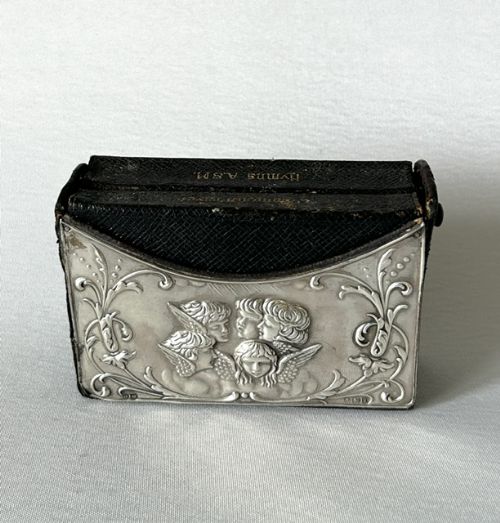
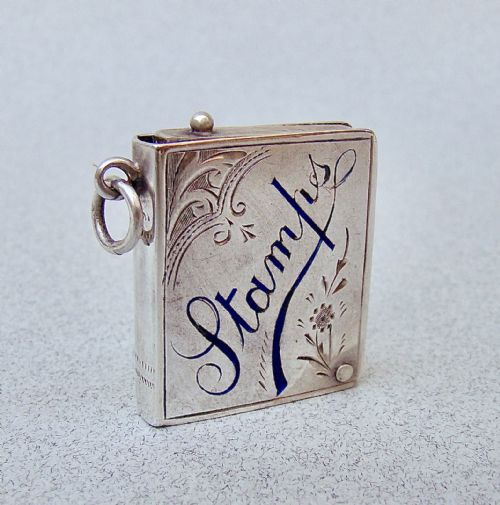
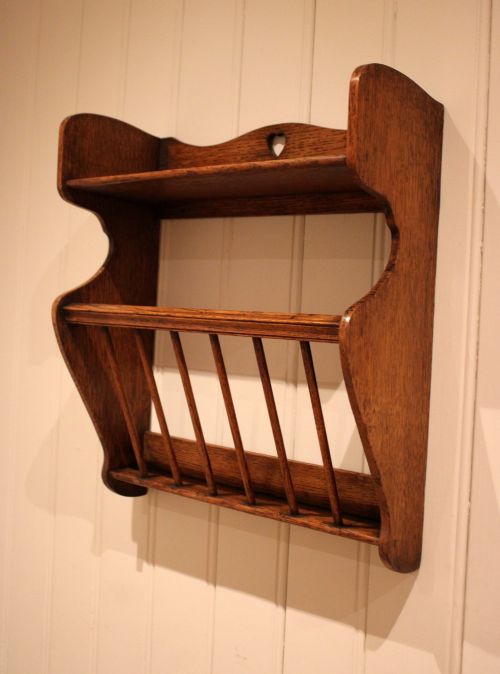


Edwardian Book Holder
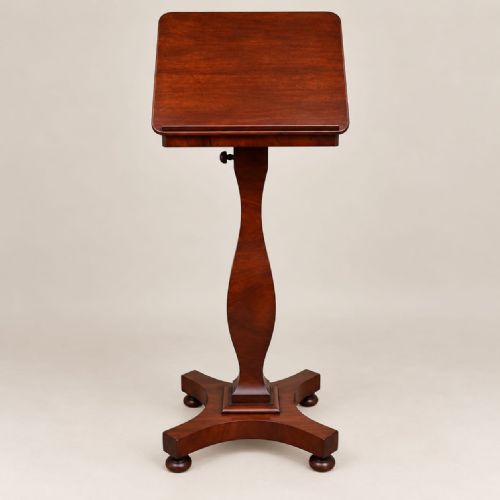
An edwardian book holder keeps volumes tidy upon a desk or table, bringing both order and period charm to a study.
Edwardian Book Holder
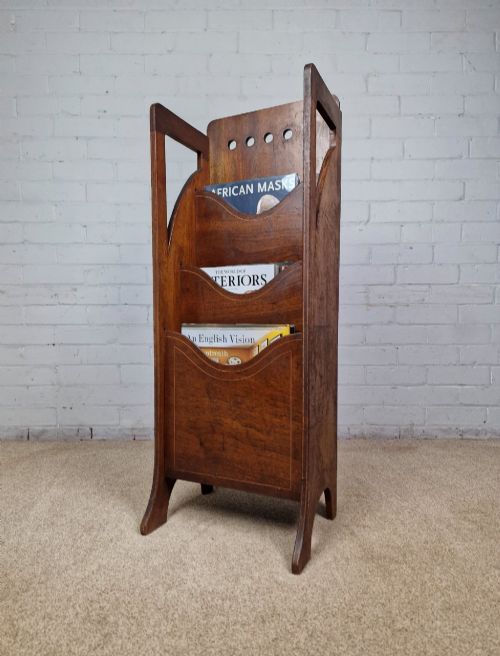
The selections encountered here frequently display the characteristic proportions of the early twentieth century alongside influences from the Victorian era and the Arts and Crafts movement. Makers utilised traditional timbers to create functional items that suited the scholarly interiors of the period.
Materials and Construction
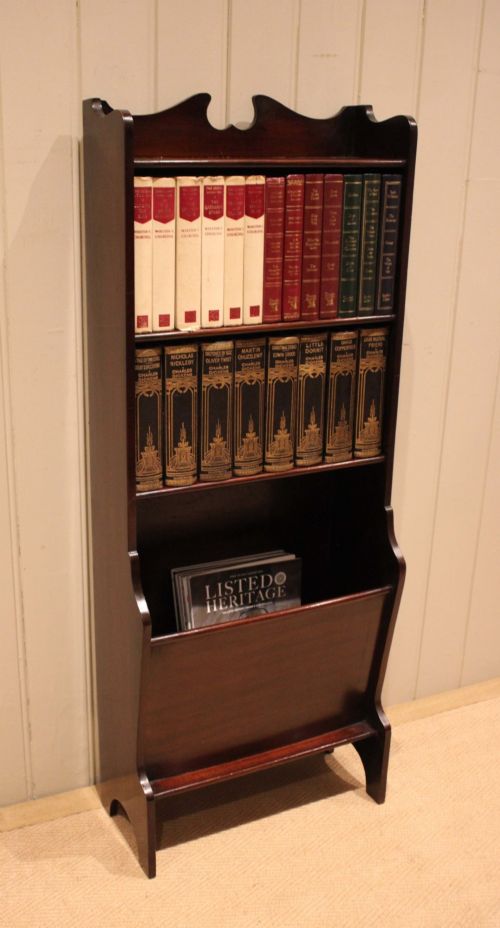
Cabinet makers relied primarily on solid hardwoods such as mahogany, oak, and walnut, often accentuating the grain with satinwood inlay or brass mounts. These durable materials ensured the book holders could support the weight of heavy bound volumes without warping.
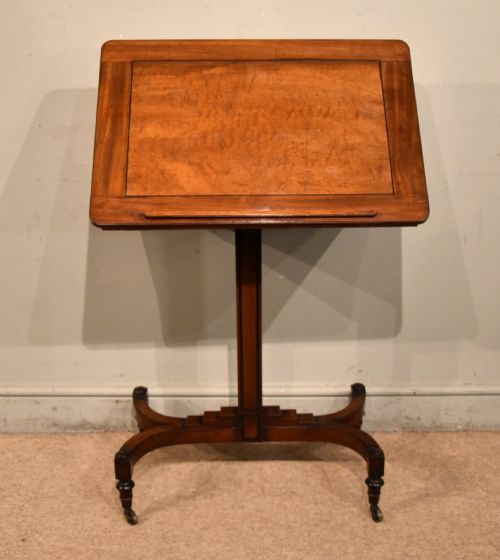
Extending mechanisms utilised sliding wooden channels combined with brass hinges and brackets to allow smooth adjustment. Surface finishes were polished to highlight the natural tone of the timber while providing protection against daily handling.
Edwardian Book Holder Retail Price Guide 2026
Typical asking prices for edwardian book holder among the pieces listed under this phrase on Sellingantiques today, from the lower quarter to the upper quarter. They describe what is for sale here now, not the wider market.
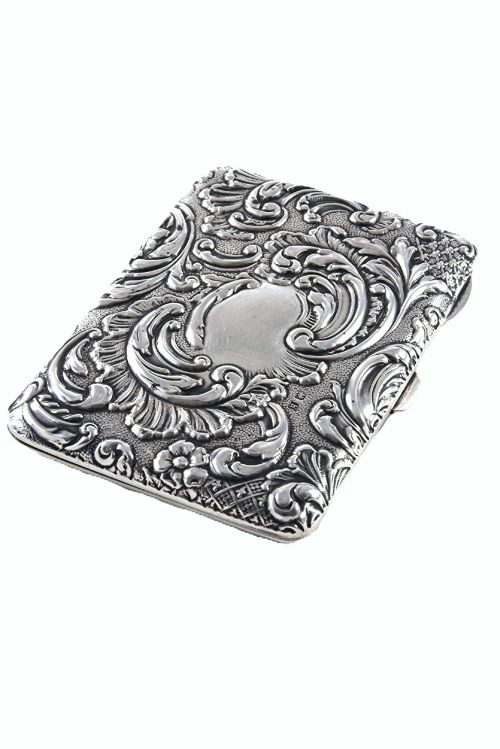
Listings feature woods such as mahogany, oak, walnut, yew, and satinwood alongside brass and sterling silver mounts.
Markers of Quality
Superior examples demonstrate precision in the joinery of the frame and the smooth operation of any extending or revolving mechanism. The choice of timber also dictates grade, with finely figured mahogany or quarter-sawn oak marking out the better workshops.
Attention to detail separates standard items from finer productions, seen in subtle inlay work, polished brass hardware, and well-executed carving rather than plain surfaces.
Finnigans·Crisford & Norris
The Edwardian Book Holder Glossary
- Book slide
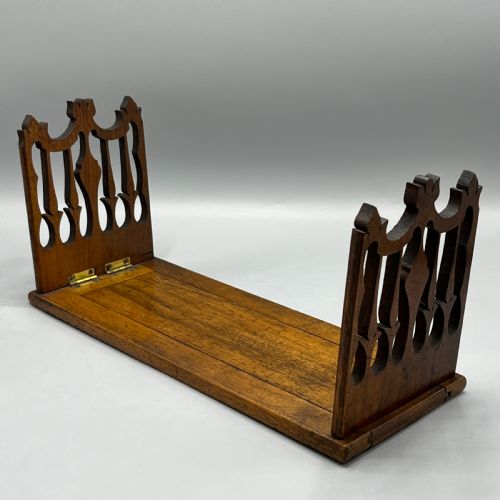
- An adjustable rack designed to sit on a desk or shelf, holding a variable number of volumes upright between two ends. These slides often feature expanding wooden bases fitted with metal tracks.
- Revolving bookcase
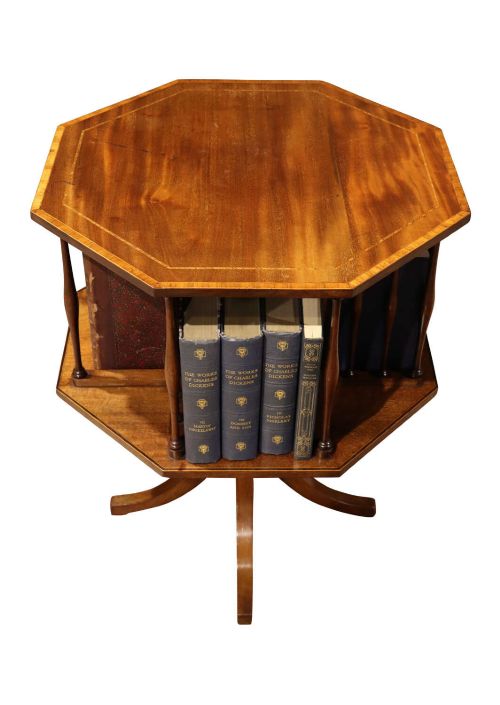
- A compact shelving unit mounted on a rotating cross-base, allowing access to books from multiple angles. They are frequently built from oak or mahogany for stability.
- Inlay
- A decorative technique where contrasting pieces of wood or metal are inserted into recesses within the primary surface. Satinwood is commonly used for this contrasting detail.
- Canterbury
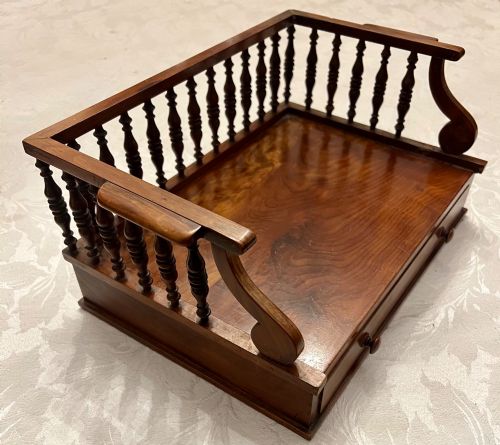
- A partitioned stand originally designed for sheet music or folios, often adapted to hold magazines and books. They frequently include carrying handles and lower drawer compartments.
Edwardian Book Holder: Frequently Asked Questions
How do extending book slides work?
Extending slides feature a central base split into overlapping channels that slide smoothly to lengthen or shorten the span. This allows the holder to accommodate growing rows of volumes.
Metal hinges and brass mounts often reinforce the sliding action, ensuring the ends remain upright and stable when pushed against heavy books.
Where were revolving bookcases placed?
Revolving bookcases were typically positioned beside reading chairs, desks, or in the centre of studies for easy access to reference volumes. Their rotating bases allowed users to reach a wide selection of books without moving.
Tabletop versions sat upon larger pieces of furniture, while floor-standing models stood independently.
What timbers are most common?
Mahogany and oak appear most frequently in these pieces, offering both structural strength and rich grain patterns. Walnut and yew wood are also utilised for specific decorative effects.
Inlaid details in lighter woods such as satinwood frequently enhance the primary timber frame.
How do I care for wooden book holders?
Wooden surfaces benefit from occasional cleaning with a soft cloth and the application of quality furniture wax to maintain the finish. Avoiding direct sunlight prevents the timber from drying out.
Metal components such as brass mounts can be polished gently when necessary to preserve their lustre.