

Edwardian Blue Ring
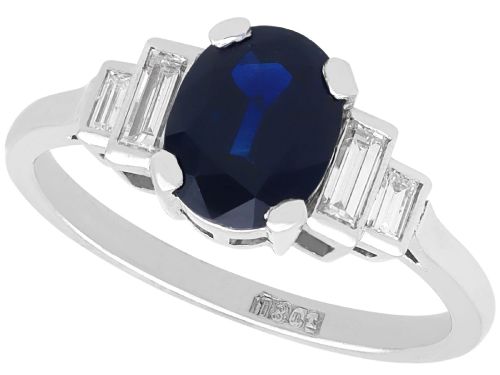
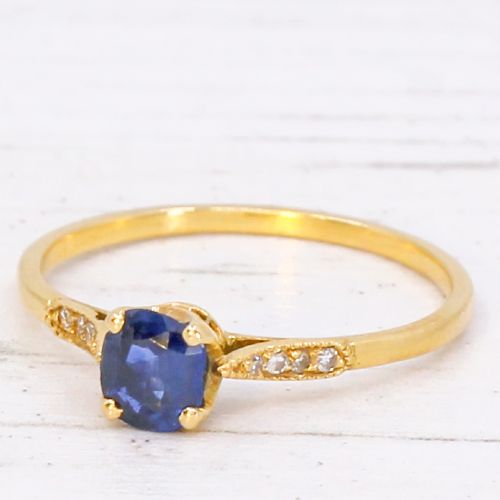
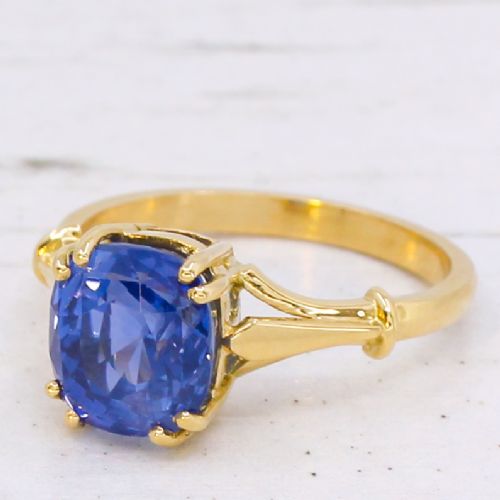
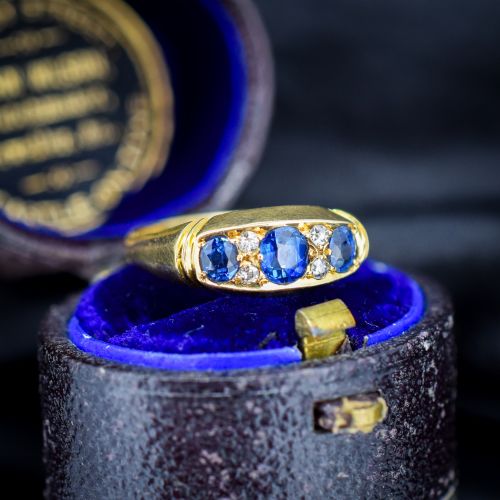
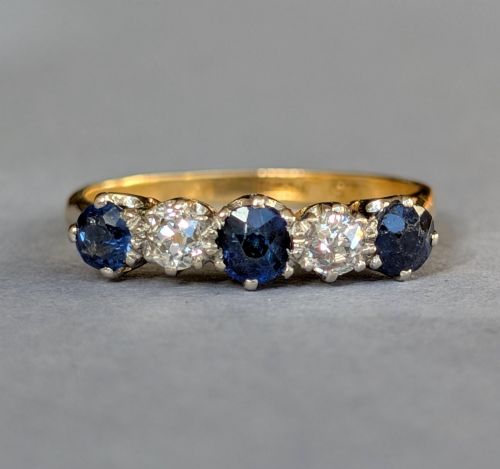
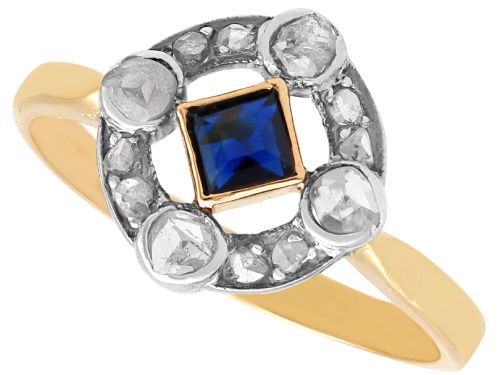
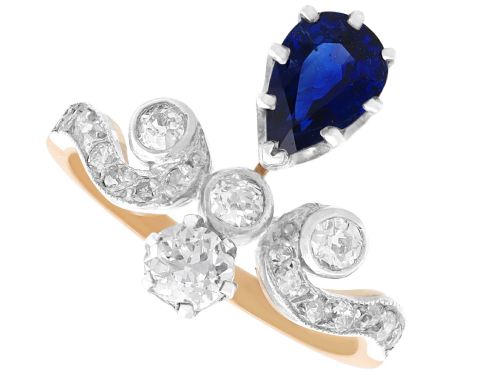
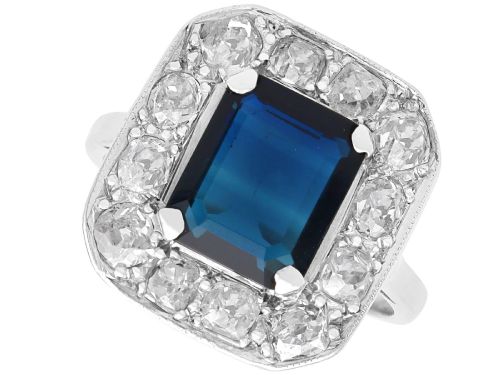
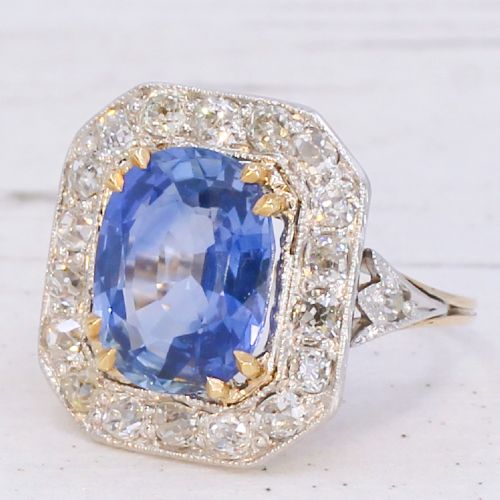
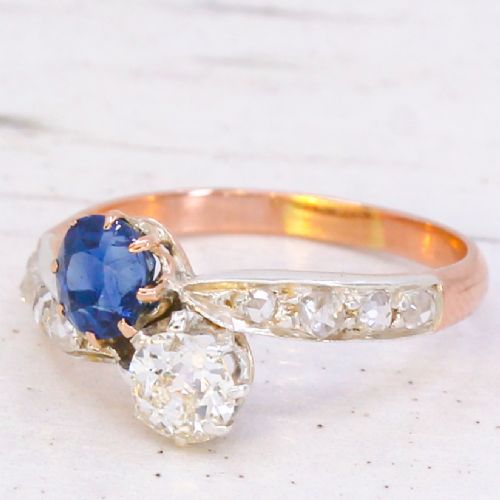
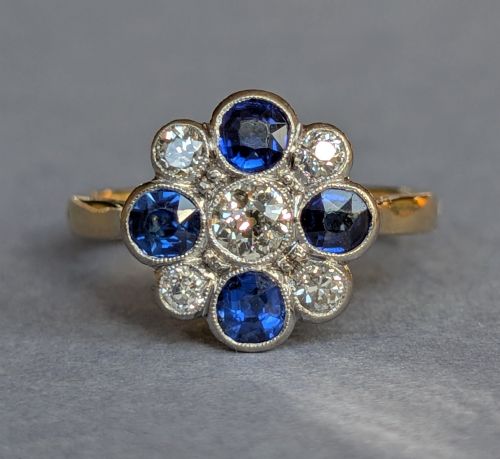
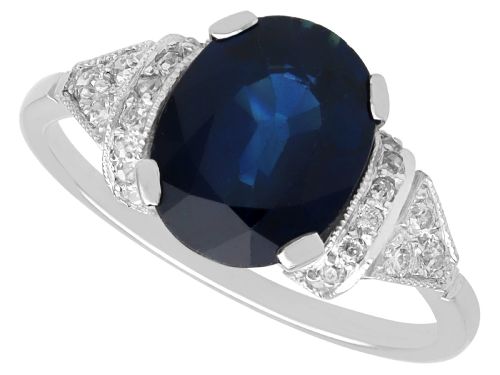
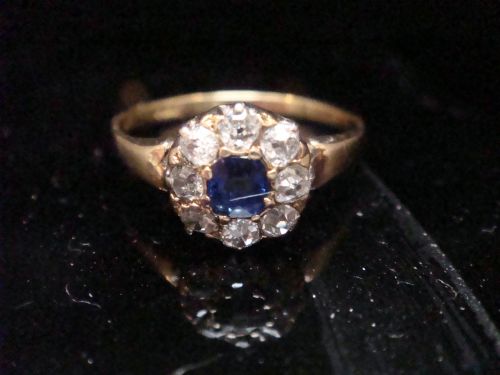
When you search for an edwardian blue ring, you enter a world of delicate sapphire and diamond clusters crafted in platinum and yellow gold.
Edwardian Blue Ring
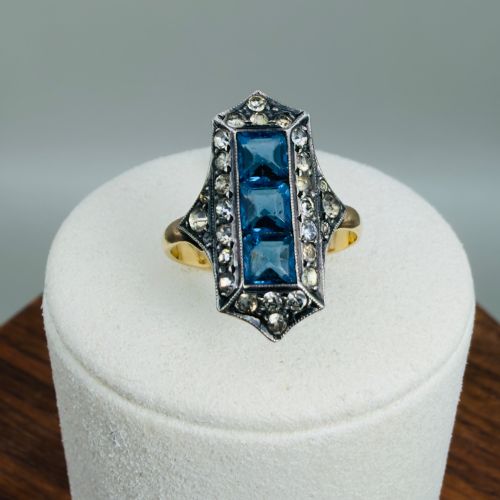
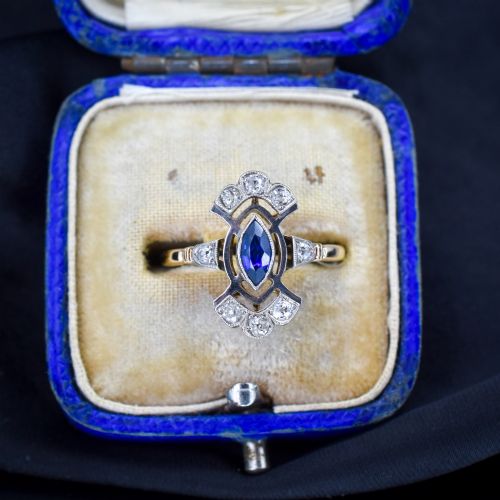
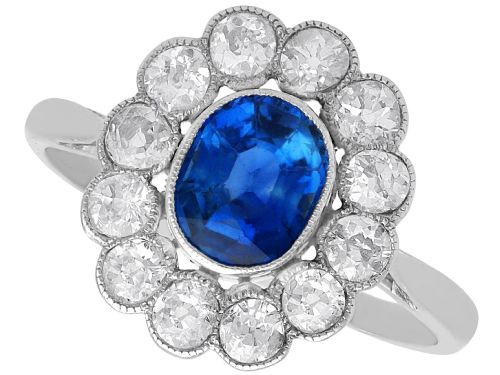
An edwardian blue ring brings together vibrant blue sapphires paired with sparkling diamonds, reflecting the refined tastes of the early twentieth century. Buyers encounter classic cluster designs, daisy rings, and boat shapes alongside pieces spanning the broader Edwardian and Art Deco eras.
The selection here ranges from delicate yellow gold settings to crisp platinum mountings. Alongside sapphire centerpieces, one discovers turquoise and aquamarine stones set within similar period styles.
Materials and construction
Goldsmiths utilised 18ct yellow gold, 18ct white gold, and platinum to mount their stones securely. Platinum gained favour during this period for its strength, allowing for delicate wirework and intricate gallery details that supported heavy diamond and sapphire clusters.
Gemstones feature old cut diamonds and old mined cut diamonds paired with natural, unheated, or basaltic sapphires. Stones are frequently held in claw or bezel settings designed to maximise light entry through the blue facets.
Edwardian Blue Ring Retail Price Guide 2026
Typical asking prices for edwardian blue ring among the pieces listed under this phrase on Sellingantiques today, from the lower quarter to the upper quarter. They describe what is for sale here now, not the wider market.
Listings span periods from Victorian and Edwardian to Art Deco, utilising platinum, 18ct yellow gold, and 18ct white gold.
Assessing quality in rings
Quality rests upon the stone selection, noting the depth of colour in the sapphire and the cut of the accompanying diamonds. Unheated sapphires and stones accompanied by gem reports hold distinct merit among collectors.
The integrity of the metalwork defines the superior piece. Fine claw work, crisp millgraining on platinum edges, and balanced proportions elevate a ring from standard workshop output to high craftsmanship.
The Edwardian Blue Ring Glossary
- Cluster ring
- A ring featuring a central gemstone surrounded by a border of smaller stones, typically diamonds framing a sapphire.
- Navette cluster
- A boat-shaped or marquise cluster setting that sits lengthwise along the finger, popular in early twentieth-century jewellery.
- Old cut diamond
- A diamond cut by hand before modern machinery, characterised by a smaller table, higher crown, and a distinctive open culet.
- Platinum
- A dense, durable, and naturally white precious metal utilised extensively in Edwardian and Art Deco mountings for its ability to hold fine details.
Edwardian Blue Ring: Frequently Asked Questions
What defines an edwardian blue ring?
These rings typically feature a blue sapphire set with diamonds in platinum or 18ct gold. They showcase the lighter, more delicate aesthetic that succeeded heavy Victorian designs.
Craftsmanship from this era often incorporates intricate piercing and millegrain detailing around the gemstone clusters.
How do I care for my ring?
Precious metals and gemstones benefit from gentle cleaning with warm soapy water and a soft brush. Avoid harsh chemical dips, particularly if the piece contains softer stones like turquoise.
Regular inspection by a jeweller ensures that the claws holding your sapphires and diamonds remain secure.
Are the sapphires natural?
Many listings specify unheated or natural sapphires originating from locations such as Ceylon or Burma. Some pieces may include gemological reports confirming their origin and treatment status.
Reviewing individual descriptions provides precise details regarding each sapphire's characteristics.
What is the difference between Edwardian and Art Deco styles?
Edwardian jewellery leans towards flowing garlands, platinum lace, and softer floral motifs like daisy clusters. Art Deco pieces embrace geometric symmetry, calibre cut stones, and bold lines.
Both periods overlap in the marketplace, sharing a common appreciation for platinum and diamond work.