




Edwardian Bamboo Furniture
Edwardian bamboo furniture brings lightweight versatility and exotic charm to domestic interiors, combining natural cane frames with lacquered panels and glass.
Edwardian Bamboo Furniture
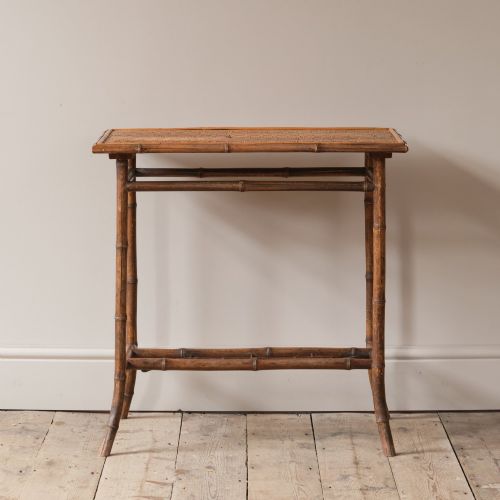
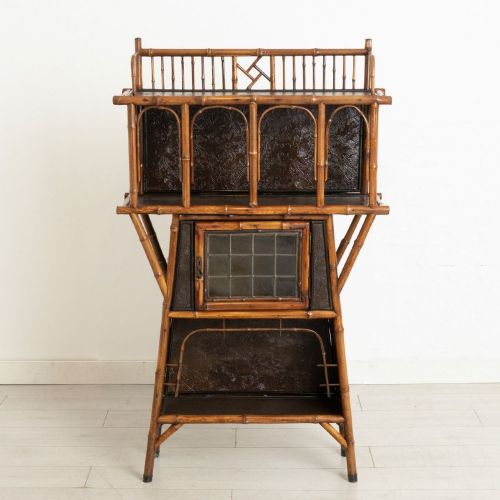
Edwardian bamboo furniture encompasses a variety of domestic items including side tables, hall stands, display cabinets, and nests of tables designed with orientalist or aesthetic influences. These pieces reflect a late nineteenth and early twentieth century fascination with imported materials and Chinoiserie aesthetics, adapting natural cane and simulated wood for British homes.
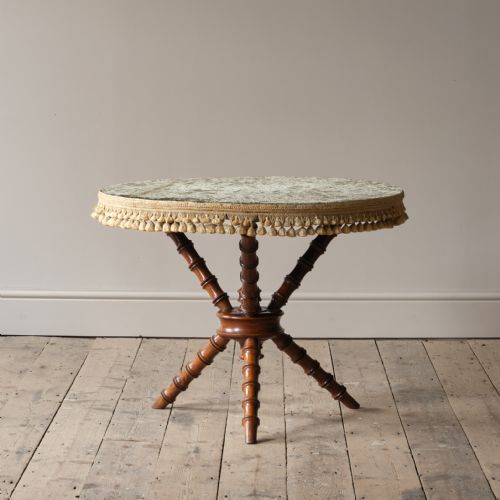
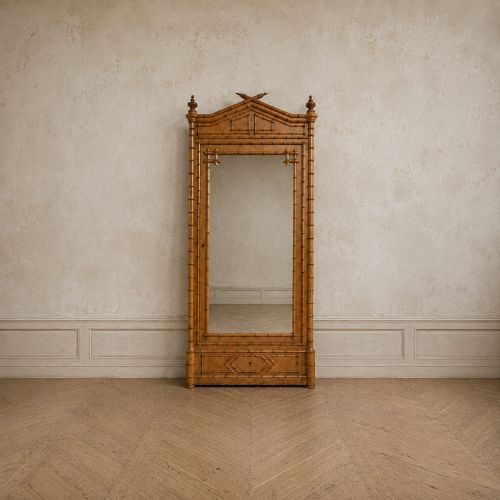
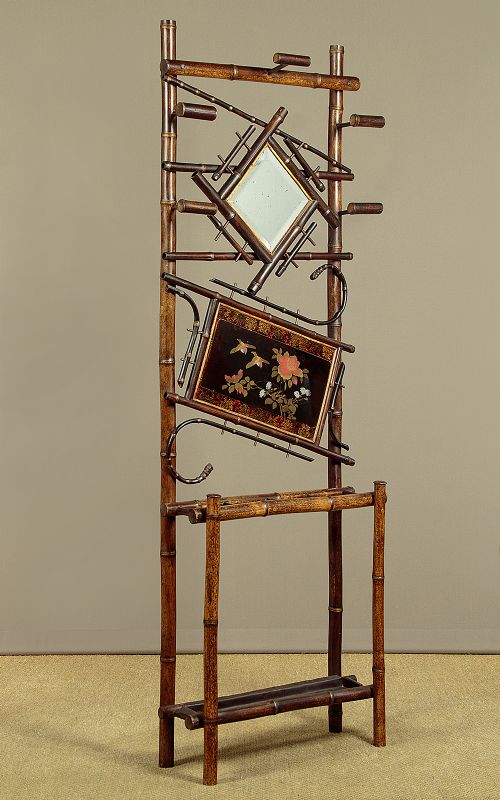
The pieces most frequently met on this page range from compact side tables and occasional nests to mirrored hall stands and display cabinets. Makers of the period utilised natural bamboo alongside lacquered panels and occasional velvet upholstery to create functional items that remained light to move around a drawing room or hallway.
Origins span British workshops influenced by the Aesthetic Movement alongside imported Chinese forms, demonstrating a global trade in domestic goods during the Edwardian era. Buyers encounter both genuine natural cane construction and simulated bamboo woodwork painted or carved to imitate the characteristic joints.
Materials and Construction
Makers utilised natural bamboo stems, rattan, and cane alongside solid woods like bird's eye maple or rosewood for simulated bamboo pieces. Structural rigidity relied on careful internal pinning and binding at the nodes, while surfaces often received black or red lacquer finishes decorated with gilt Japanese motifs.
Inlay and glazing frequently appeared in more ambitious items such as display cabinets and bijouterie tables, incorporating bevelled glass and brass hardware. Secondary materials included velvet for upholstery inserts and metal mirror plates secured into hall stand frames.
Edwardian Bamboo Furniture Retail Price Guide 2026
Typical asking prices for edwardian bamboo furniture among the pieces listed under this phrase on Sellingantiques today, from the lower quarter to the upper quarter. They describe what is for sale here now, not the wider market.
A child's high chair made entirely of bamboo proves that even Victorian toddlers dined in exotic architectural style.
Assessing Quality and Execution
The distinction between standard commercial output and superior craftsmanship rests on the integrity of the bamboo framing and the complexity of the lacquer work. Tightly bound joints and well-preserved surface decoration indicate higher workshop standards during production.
Material selection also separates simpler utility items from grander commission pieces, particularly where secondary hardwoods or hand-painted Chinoiserie panels are employed. The survival of original glass, brass fittings, and unblemished lacquer surfaces determines the overall integrity of a piece.
Howard and Sons·Leonard Wyburd for Liberty and Co
The Edwardian Bamboo Furniture Glossary
- Bamboo
- A fast-growing woody grass utilised for structural frames and decorative canes in nineteenth and twentieth-century furniture. Its natural nodal rings provide a distinct visual texture.
- Faux bamboo
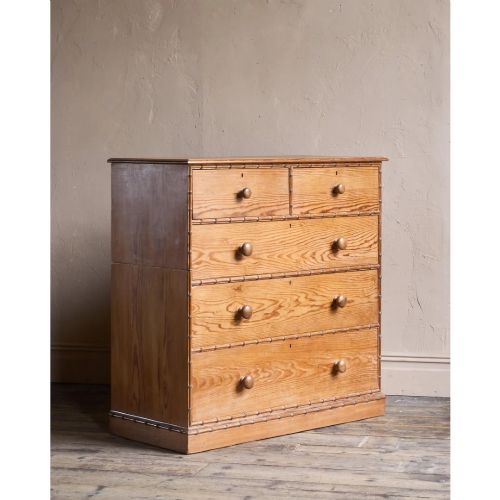
- Wood carved, turned, or painted to imitate the segmented stems and nodes of natural bamboo. This technique allowed cabinetmakers to achieve an exotic look using domestic timbers like maple or deal.
- Aesthetic Movement
- A late nineteenth-century design ethos prioritising visual beauty over narrative or moral function. It encouraged the integration of Japanese art, lacquered surfaces, and bamboo into British interiors.
- Quartetto
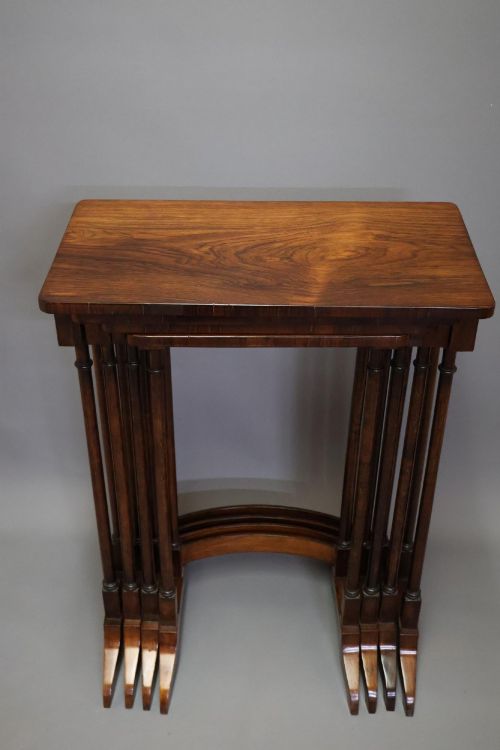
- A set of four graduating tables designed to nest inside one another when not in use. They became popular during the nineteenth century for serving tea or displaying ornaments.
- Bijouterie table
- A glass-topped display table intended for showing small valuable objects or curiosities. These pieces often featured hinged lids and velvet-lined interiors.
Edwardian Bamboo Furniture: Frequently Asked Questions
How do I clean bamboo furniture?
Dust surfaces regularly with a soft, dry cloth to prevent dirt from settling in the natural nodes of the cane. Avoid excess water or harsh chemical cleaners which can damage delicate lacquer panels and loosen binding.
Condition wooden elements sparingly with appropriate furniture wax if the finish appears dry. Maintaining a stable indoor humidity level prevents the natural bamboo from splitting over time.
Can I use these tables daily?
Most occasional tables and nests suit regular daily use for holding books or cups, provided weight is distributed reasonably. Lighter items like bamboo side tables and quartetto sets were originally built for flexible movement around the home.
Heavier display cabinets and hall stands are better positioned in stable locations where they do not experience constant shifting. Treating older joints with care ensures the structural longevity of the cane.
How do I identify faux bamboo?
Examine the joints and grain to determine if the material is turned wood painted to resemble cane rather than actual plant stem. Closer inspection often reveals wood grain beneath the surface finish or uniform turning marks on simulated nodes.
Cabinetmakers utilised hardwoods like maple or beech for simulated pieces because they held carved detail well. This technique offered a sturdier alternative to natural cane for load-bearing furniture frames.
Where were these pieces placed?
Hall stands stood near entryways to hold umbrellas, hats, and coats, often incorporating mirrors and card trays. Side tables and nests occupied drawing rooms for serving tea or displaying small decorative objects.
Larger cabinets and armoires served bedrooms and reception rooms for storage and display. Their lightweight nature allowed householders to rearrange rooms easily according to seasonal fashion.