


Edwardian Arts Crafts Jewellery
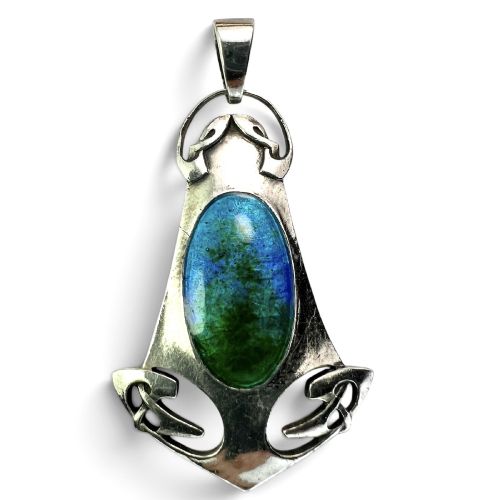
Edwardian arts crafts jewellery brings together delicate silverwork, vitreous enamel and mystical moonstones from the early decades of the twentieth century.
Edwardian Arts Crafts Jewellery
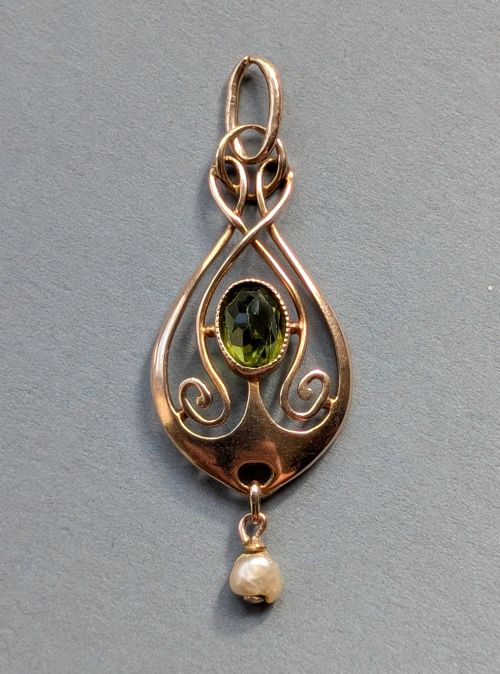
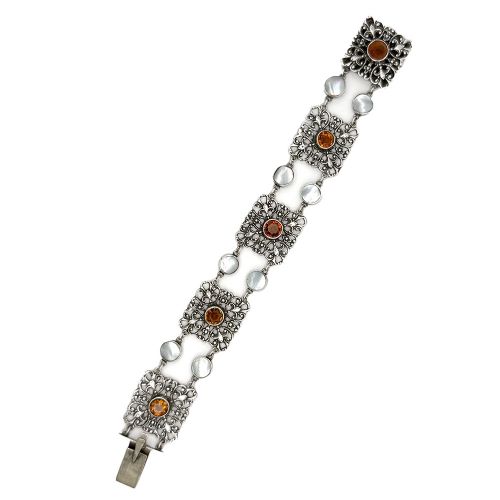
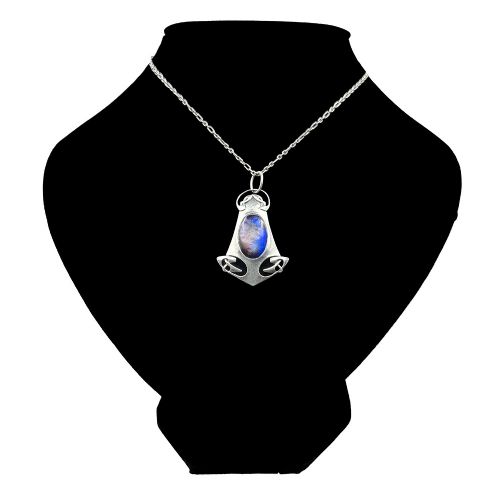
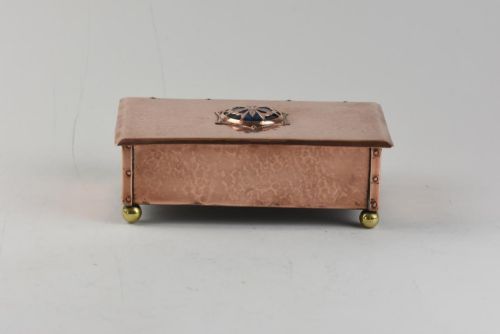
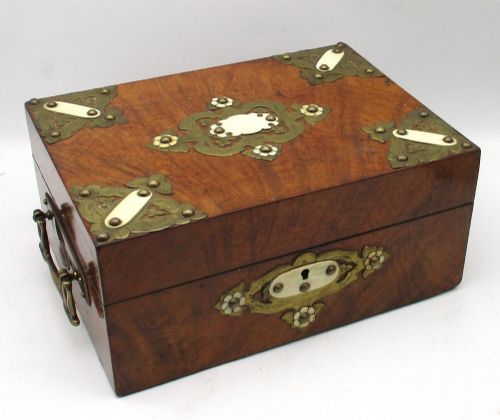
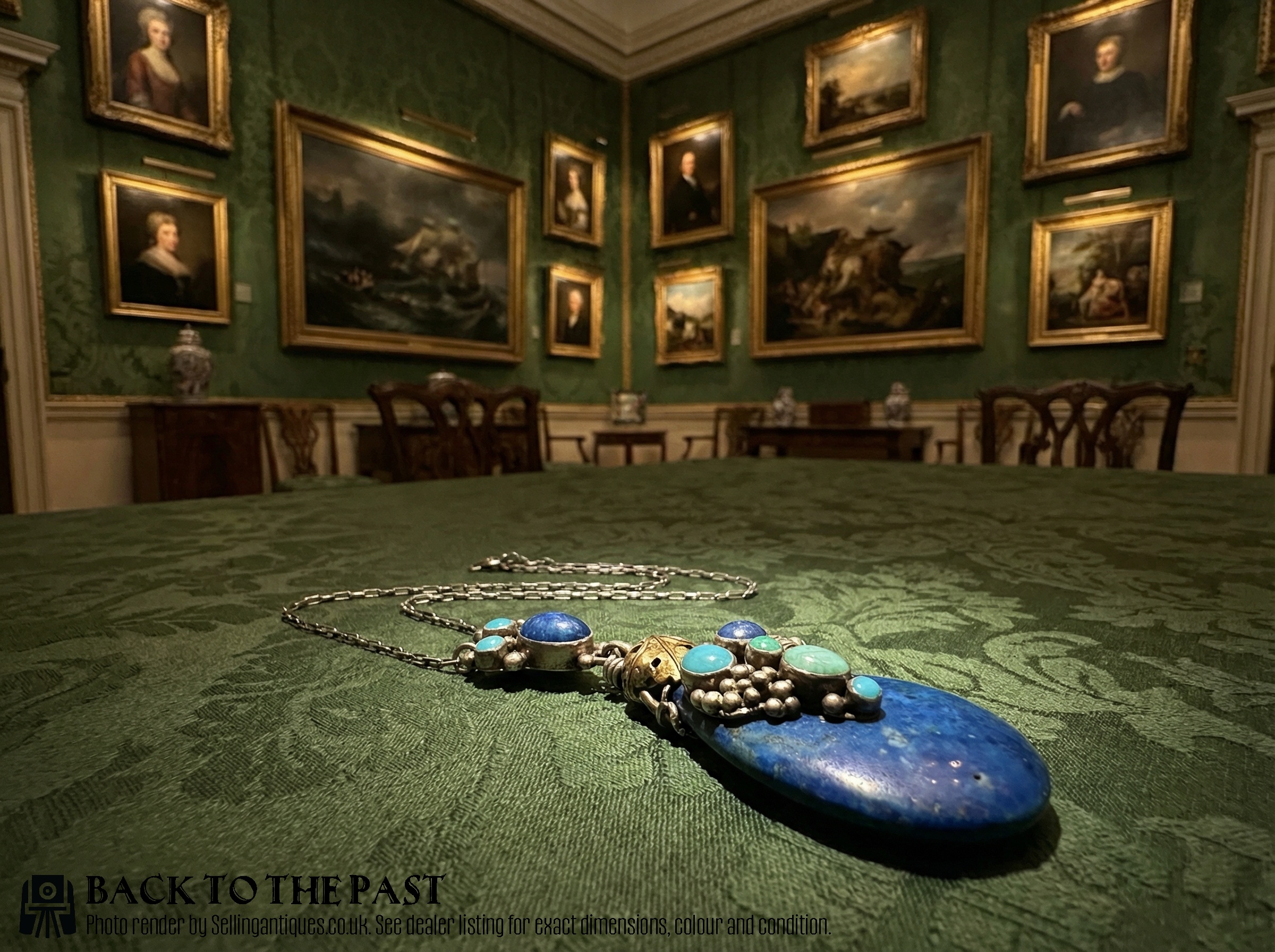
When you search for edwardian arts crafts jewellery, you encounter a distinct design movement spanning the late Victorian, Edwardian and early twentieth-century periods. The items available include silver and gold pendants, intricate necklaces, brooches, rings and decorative boxes.
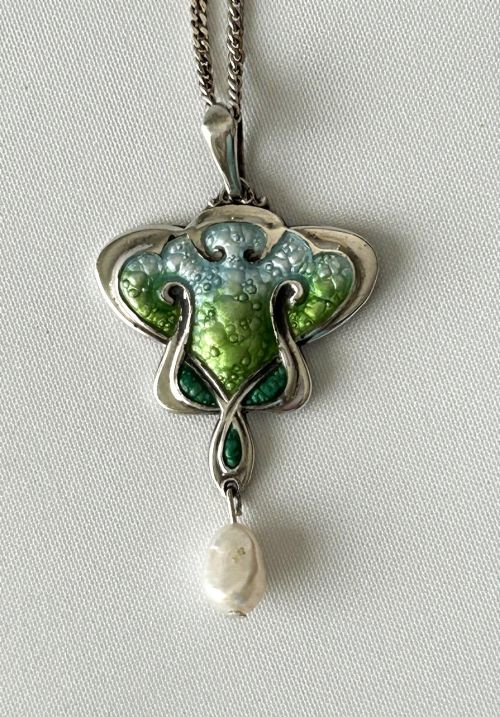
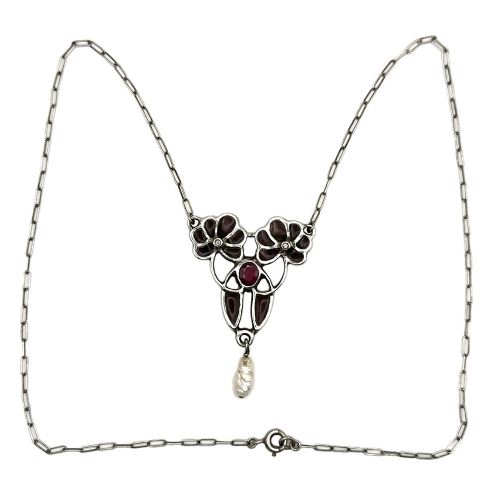
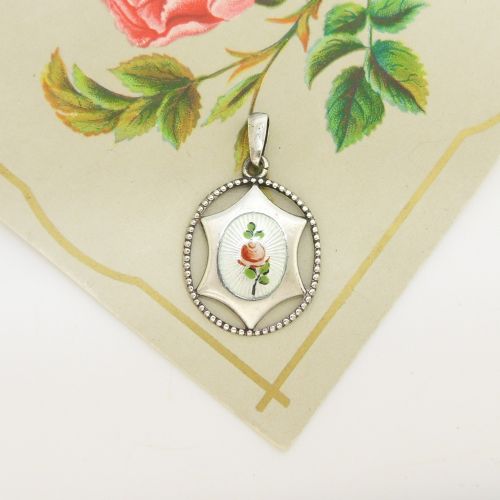
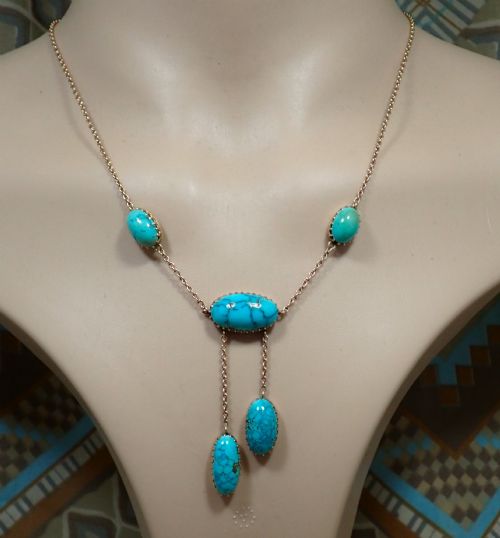
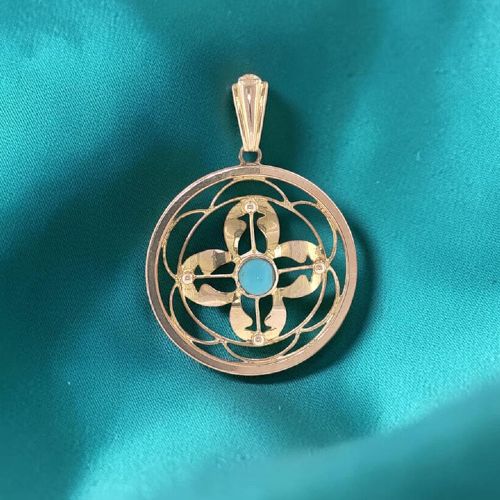
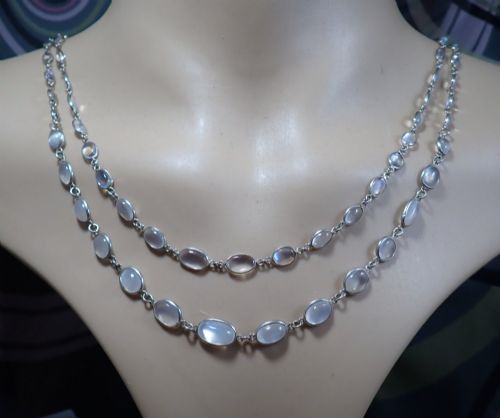
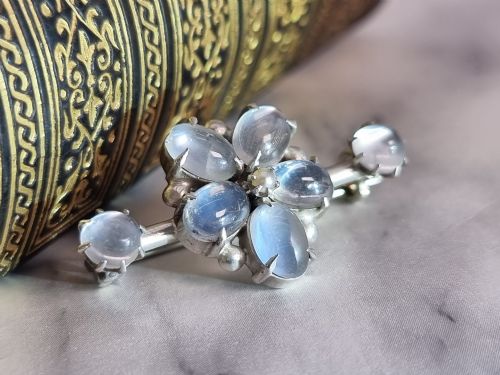
You are most likely to meet silver pendants and brooches set with moonstones, turquoise, pearls and vitreous enamel. These pieces often merge Arts and Crafts ideals with Art Nouveau and Edwardian styles, reflecting a period of intense artisan creativity.
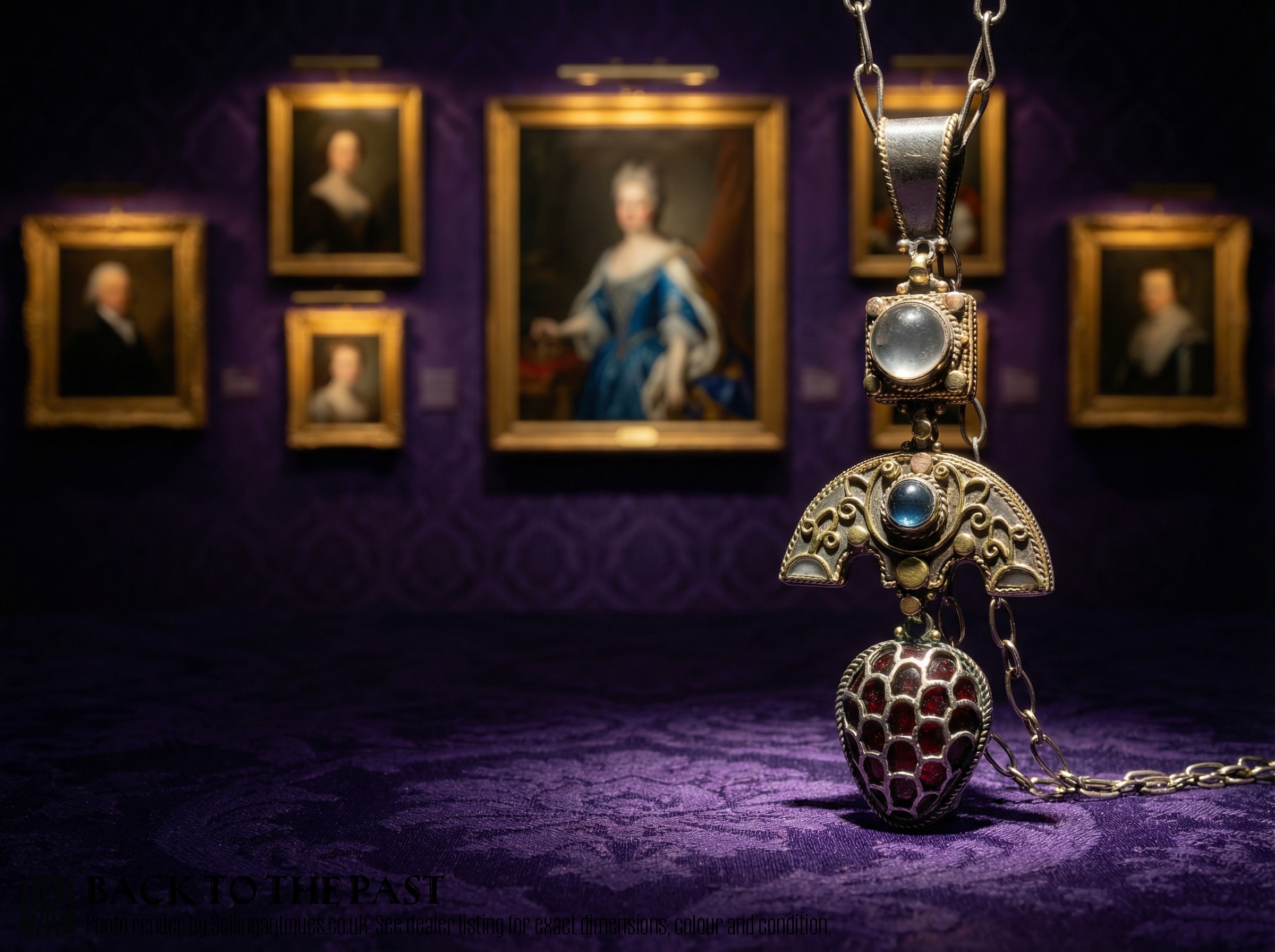
Materials and construction methods
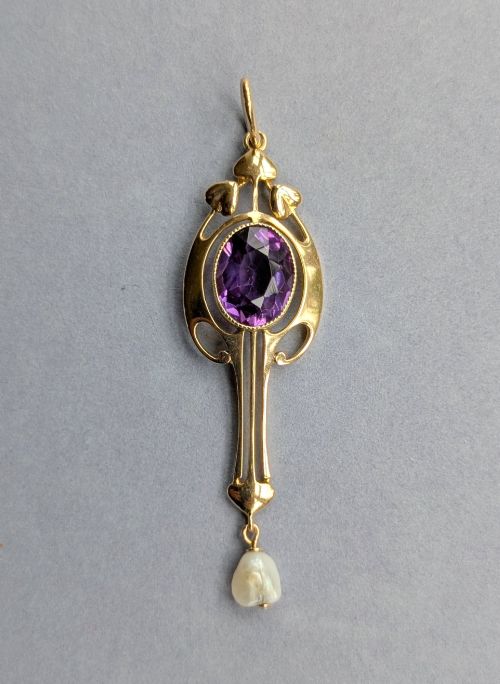
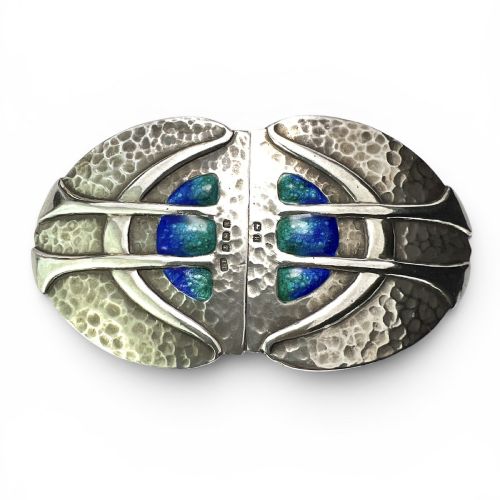
The makers utilised sterling silver, copper, pewter and various grades of gold, pairing them with natural gemstones like moonstone, opal, turquoise and amethyst. Vitreous enamel and plique-a-jour techniques added vibrant colour to metalwork.
Construction relies heavily on hand-wrought silver frames, bezel settings and spot-hammered surfaces. Artisans incorporated hand-carved elements, cabochon cut stones and delicate pearl drops to achieve a distinct tactile finish.
Edwardian Arts Crafts Jewellery Retail Price Guide 2026
Typical asking prices for edwardian arts crafts jewellery among the pieces listed under this phrase on Sellingantiques today, from the lower quarter to the upper quarter. They describe what is for sale here now, not the wider market.
Qualities that set pieces apart
The distinction between standard workshop output and top-tier design lies in the execution of the enamel work and the selection of stones. Superior pieces display flawless vitreous enamel with subtle colour gradations and carefully matched cabochon moonstones or opals.
Provenance and attribution elevate certain items above anonymous workshop pieces. Work associated with notable designers or major retail houses demonstrates superior hand-finishing, more complex structural wirework and distinct artistic individuality.
James Fenton·Murrle Bennett·Archibald Knox·Liberty and Co·Amy Sandheim·The Gaskins·WH Haseler·George Hunt·Dorrie Nossiter·Nathan and Hayes
The Edwardian Arts Crafts Jewellery Glossary
- Cabochon
- A gemstone shaped and polished with a smooth convex surface rather than faceted. This cut is frequently utilised for moonstones, opals and turquoise in early twentieth-century work.
- Vitreous Enamel
- A material made by fusing powdered glass to a substrate by firing. Artisans use this technique to create glossy, colourful decorative panels on silver and copper jewellery.
- Negligee Necklace
- A pendant style featuring two unequal drops suspended from a central motif or chain. This form gained popularity during the Edwardian era.
- Plique-a-jour
- An enamelling technique where the enamel is applied within a open framework without a backing metal, allowing light to shine through like stained glass.
- Parure
- A matching set of jewellery intended to be worn together, typically comprising earrings, a necklace, a ring or a brooch.
Edwardian Arts Crafts Jewellery: Frequently Asked Questions
What defines edwardian arts crafts jewellery?
These pieces combine handmade metalwork with natural motifs, often featuring hand-hammered silver, coloured enamel and untreated gemstones like moonstones and turquoise. They reflect a philosophical rejection of mass production in favour of individual artisan skill.
Items range from delicate pearl-drop pendants to robust copper boxes, spanning periods from the late nineteenth century through the nineteen-twenties.
How do I care for silver and enamel pieces?
Keep enamel away from harsh chemical dips, ultrasonic cleaners and abrasive cloths, as these substances damage the glass surface. Clean the silver gently with a soft microfibre cloth rather than aggressive polishing liquids.
Store items individually in soft pouches to prevent the silver settings and gemstones from scratching against each other.
Can I wear these antique necklaces daily?
Most antique necklaces and pendants withstand regular wear if handled with reasonable care. However, delicate elements like plique-a-jour enamel and bezel-set cabochon moonstones require mindfulness during daily activities.
Remove jewellery before swimming, sleeping or performing strenuous manual tasks to protect fragile pin stems and fine chains.
How can I tell a genuine period piece apart?
Examine the construction methods for evidence of hand fabrication, such as spot-hammered marks, hand-cut bezels and traditional clasp mechanisms. Hallmarks stamped into the metal often indicate the assay office, silver standard and date of creation.
Stylistic markers like whipped plant tendrils, naturalistic flower motifs and specific enamel colour palettes align these objects with early twentieth-century design movements.