
Edwardian Arts and Crafts
These Edwardian arts and crafts pieces unite simple utility with honest construction, offering robust oak furniture, beaten metals, and delicate jewellery.
Edwardian Arts and Crafts
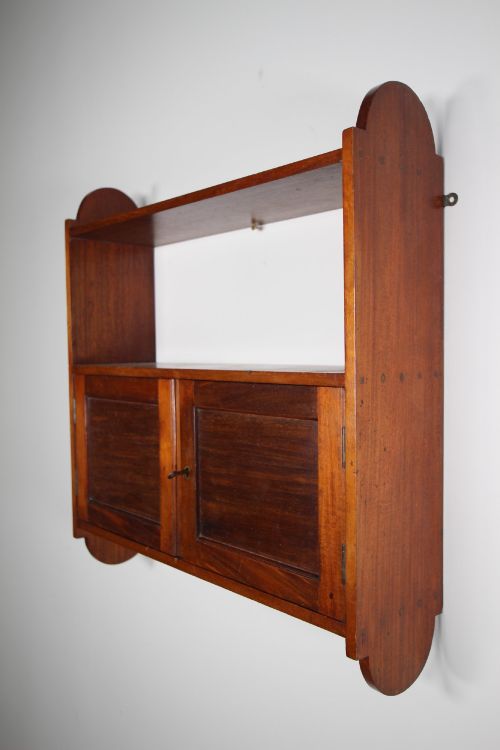
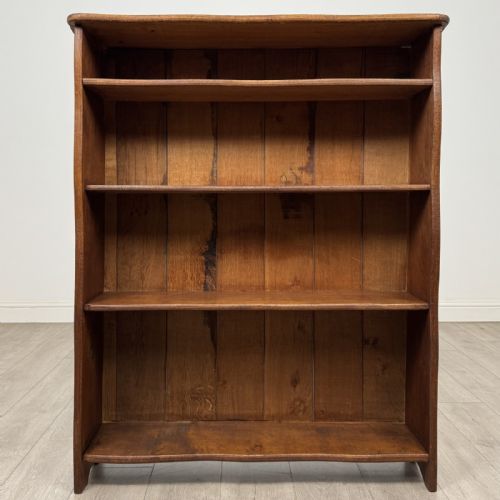
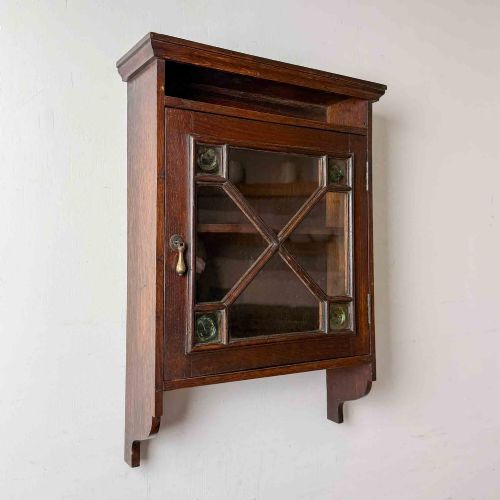
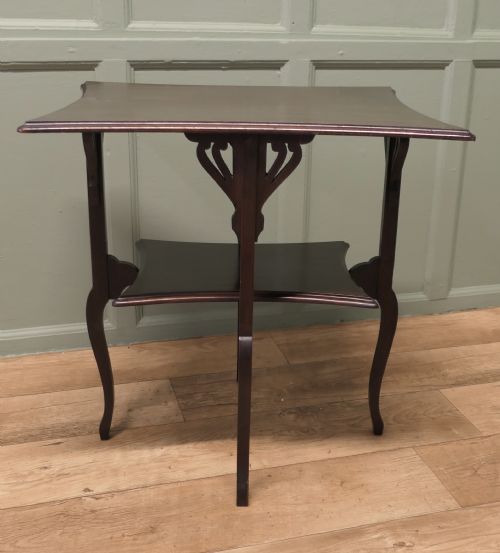
Edwardian arts and crafts objects span domestic furniture, lighting, and personal ornaments produced around the turn of the twentieth century. Buyers seeking this search phrase encounter numerous sturdy oak items alongside copper jugs, silver pendants, and brass table tops.
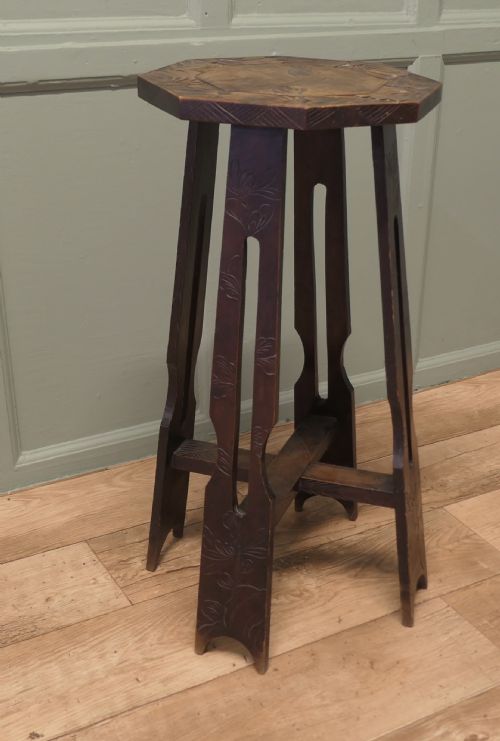
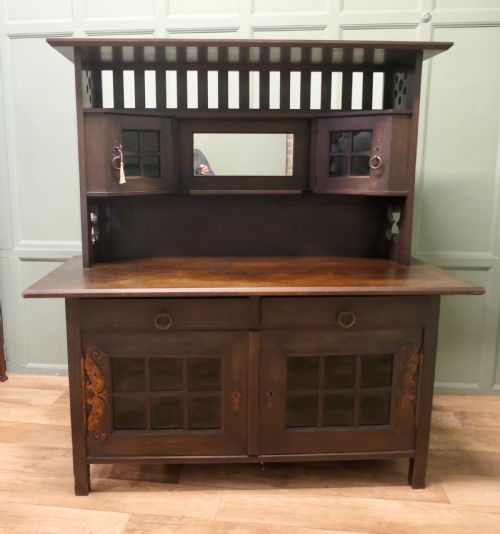
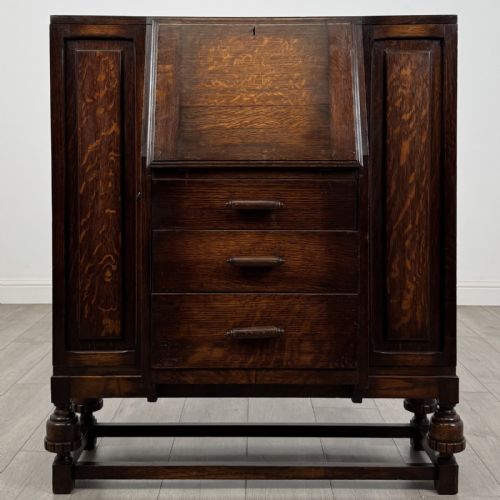
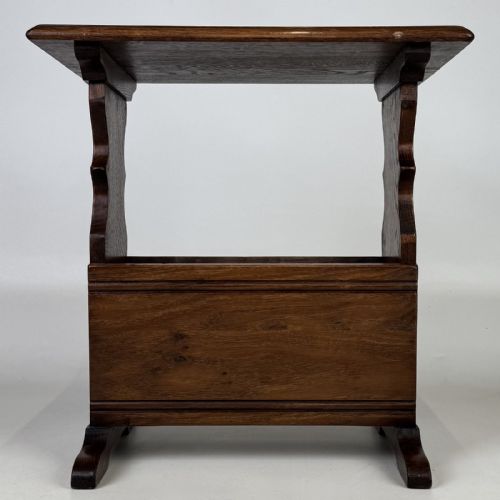
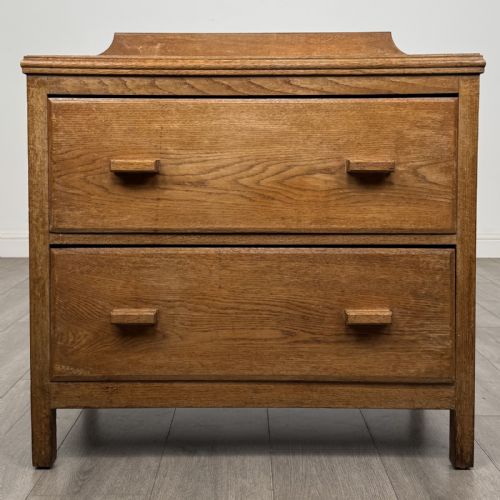
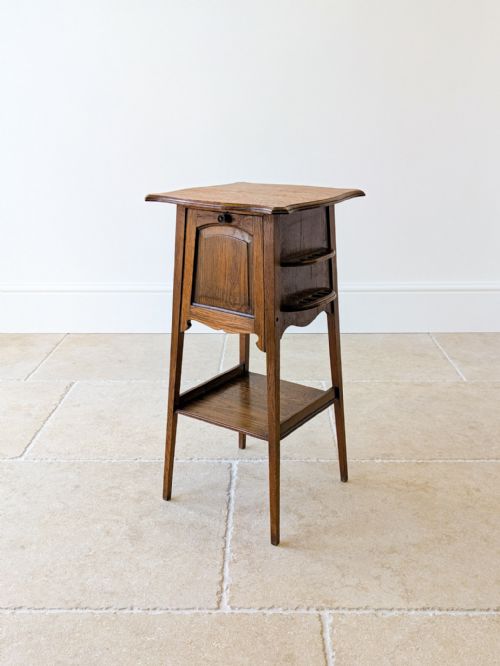
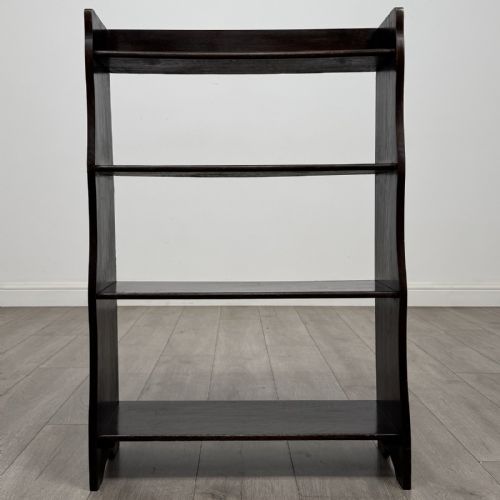
The material palette draws heavily on solid oak, walnut, brass, copper, and sterling silver embellished with enamel or semi-precious stones. Side tables, bookcases, armchairs, and cabinets dominate the domestic forms available.
Makers and retailers of the period turned away from industrial mass production to emphasise handcrafting and functional design. This approach yields practical items like magazine racks, sideboards, and occasional tables that suit everyday modern interiors.
Materials and technique
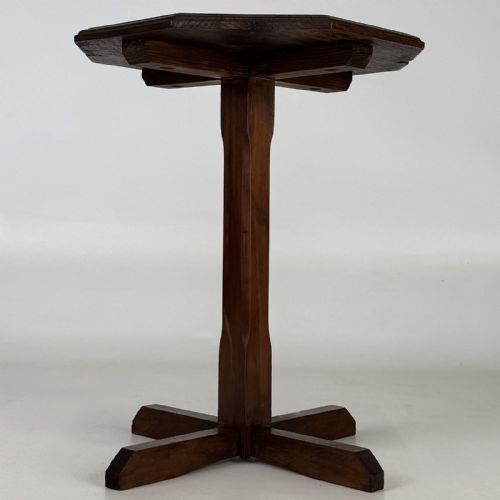
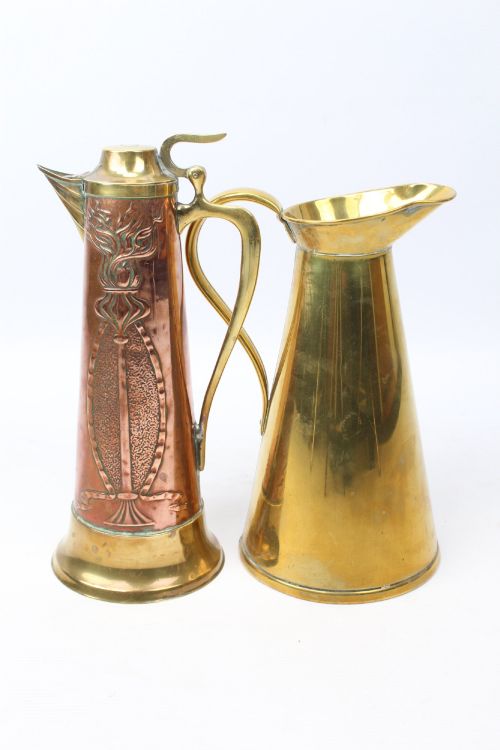
Makers relied on solid golden oak and walnut for furniture, often using exposed tenon joints and hand-stitched leather panels to display construction methods. Brass and copper surfaces frequently show distinct hand-hammered textures left by the artisan's mallet.
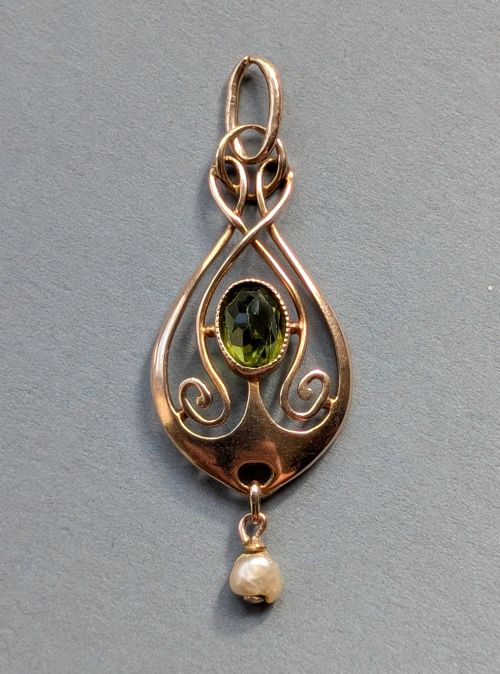
Pendants and small silver objects incorporate hand-set stones such as peridot, citrine, and blister pearls alongside vibrant plique-a-jour or enamel work. Timber pieces occasionally feature subtle inlaid details or carved motifs rather than heavy applied ornamentation.
Materials range from sterling silver and enamel to brass, copper, and hand-stitched leather.
Quality variations
Distinction between pieces rests on the integrity of the design and the skill of the hand-finishing. Workshop attribution, such as work bearing identifiable maker marks, separates standard utility furniture from pieces of higher artistic ambition.
Metalwork quality shows in the depth and regularity of hammered textures and the precision of enamel work. Timber items rely on the selection of figured oak and the crispness of joinery details like raised galleries and inlaid banding.
Murrle Bennett·Shapland and Petter·Leonard Wyburd·Finnigans·Charles Horner·Lambert and Co·Sampson Mordan·Amy Sandheim·Archibald Knox·Liberty and Co
The Edwardian Arts and Crafts Glossary
- Purdonium
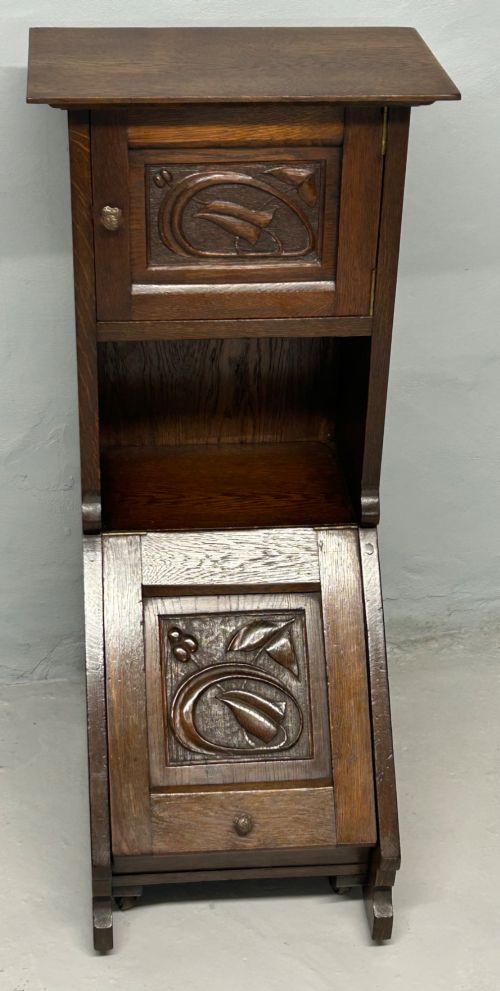
- A specialised cabinet designed to hold coal beside a fireplace, usually featuring a hinged sloping front and a metal liner.
- Tyg
- A large drinking vessel typically provided with three or more handles, often rendered in hammered silver or ceramic during this period.
- Plique-a-jour
- An enamelling technique where enamel is applied in cells without a backing, allowing light to shine through like stained glass.
- Settle
- A wooden bench with a high solid back, enclosed arms, and often a hinged seat revealing storage space beneath.
- Gallery
- A raised ornamental border or railing fitted around the top edge of a table, cabinet, or bookcase to prevent items from sliding off.
Edwardian Arts and Crafts: Frequently Asked Questions
What defines edwardian arts and crafts furniture?
These items focus on solid timber construction, particularly oak, with visible joinery and minimal machine-carved ornament.
Designers prioritized utility and honest materials over historical revivalism, producing functional sideboards, bookcases, and chairs for everyday use.
How do I care for oak and leather pieces?
Solid oak surfaces benefit from occasional application of natural wax to nourish the grain and protect against dry indoor air.
Leather panels require gentle cleaning with a soft cloth and specialised leather conditioner to prevent cracking while preserving the original texture.
Where were these metal and enamel items used?
Pendants and small silver accessories were worn as personal adornment, often showcasing vibrant enamel work inspired by natural plant motifs.
Copper jugs, brass top tables, and dinner gongs served practical decorative functions within the Edwardian hallway, dining room, or drawing room.
How can I identify pieces by known makers?
Look for stamped maker marks, engraved signatures on metalwork, or retailer labels affixed to the interior of drawers and cabinets.
Documented workshops often utilised specific timber choices, distinctive copper hammering patterns, or characteristic enamel colour palettes.