




Edwardian Art Sketch
These original works span the early twentieth century and capture portraits, street scenes and landscapes in pencil, charcoal and watercolour.
Edwardian Art Sketch
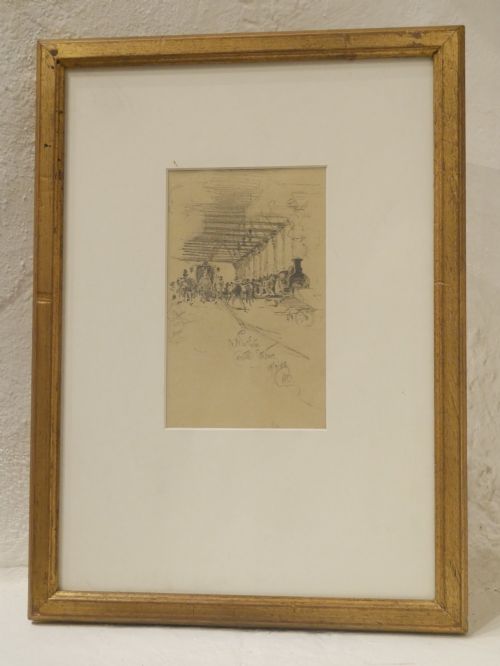
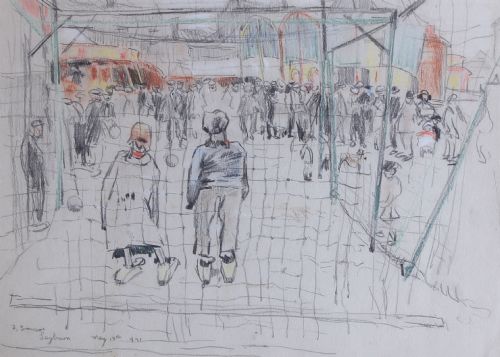
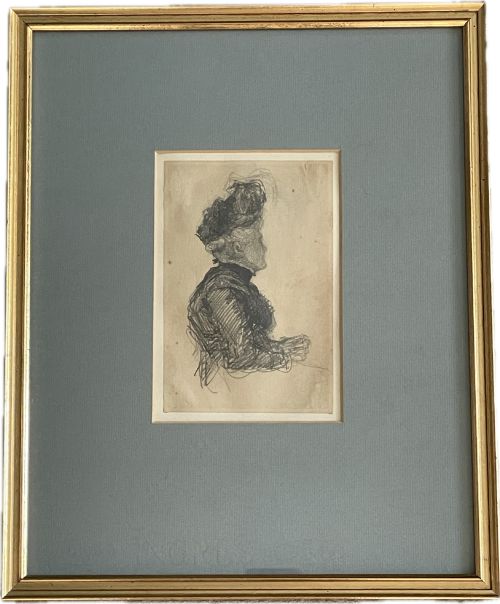
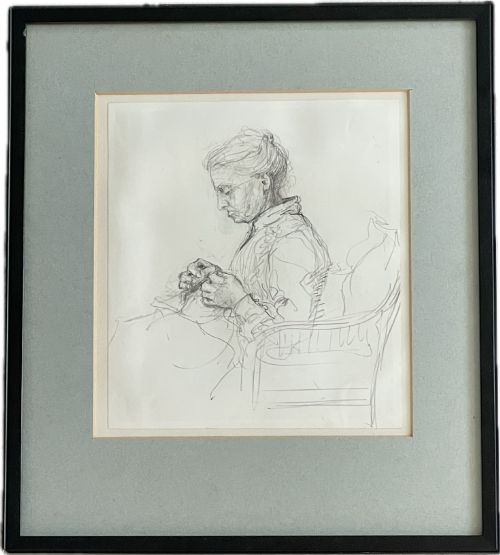
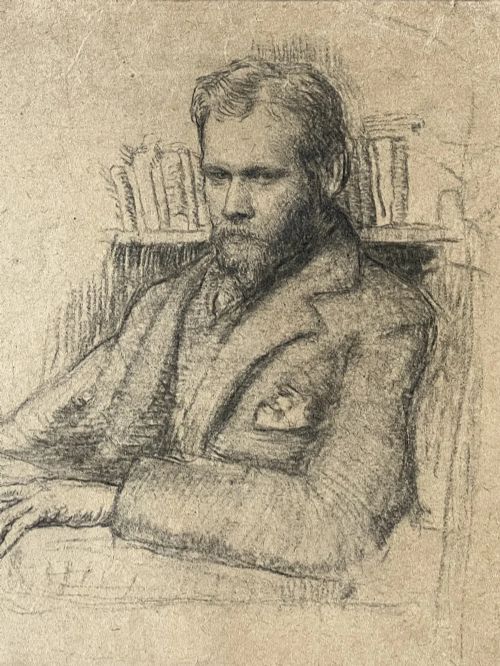
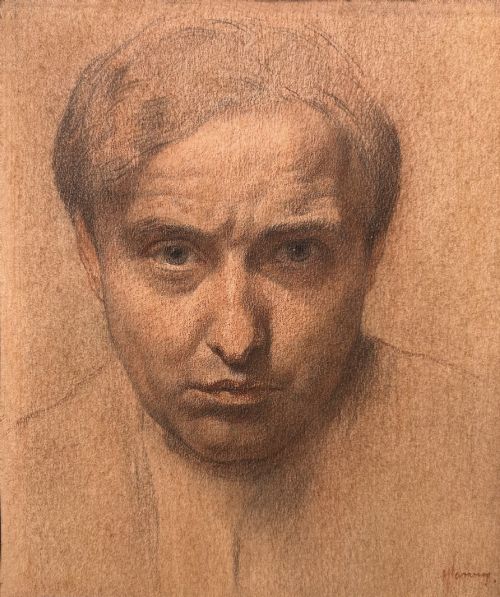
When you search for an edwardian art sketch, you are looking at original works on paper produced during the late nineteenth and early twentieth centuries. These pieces encompass rapid portrait studies, finished landscape watercolours and life drawings created by named artists and illustrators.
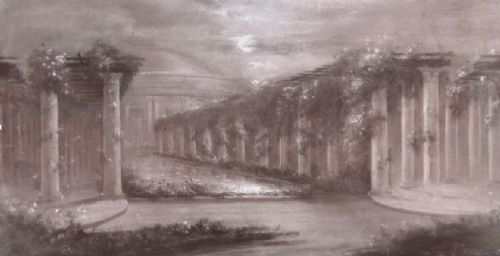
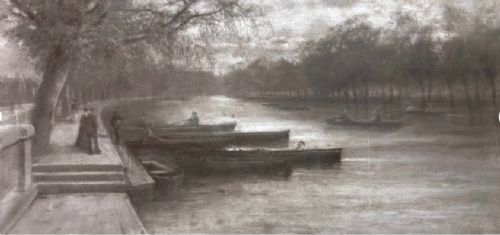
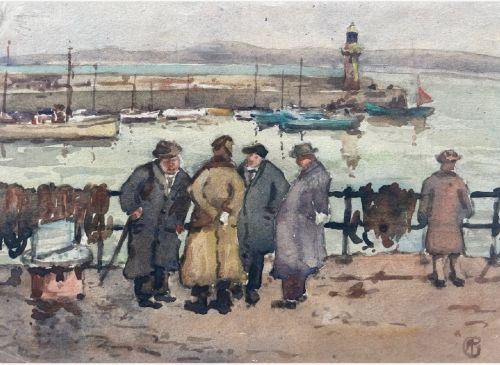
The versions most commonly met on this page include pencil portraits, charcoal drawings influenced by tonalism, and delicate watercolour washes on paper. Subjects range from Edwardian ladies and notable figures to British landscapes and architectural views.
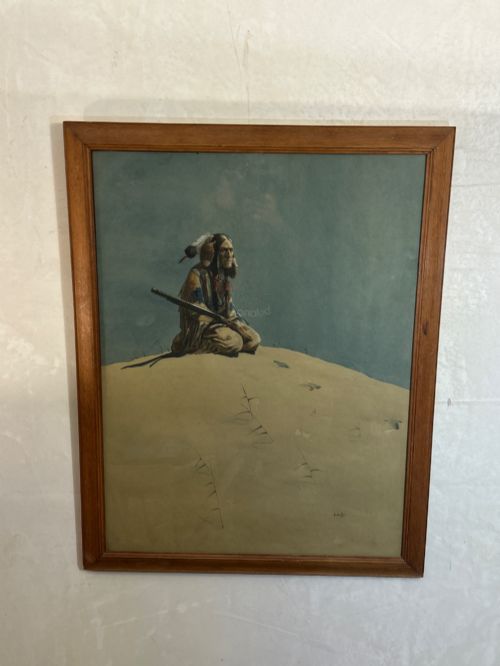
The pieces cross several stylistic boundaries, including Edwardian illustration, tonalism, and early twentieth century realism. Many retain their original framing materials, such as walnut or wood, which complete the period aesthetic.
How they were made
Artists relied primarily on paper supports, sometimes attaching sheets to canvas stretchers for stability. Drawing media included graphite pencil, charcoal, chalk, pen and ink.
Colour work incorporated watercolour washes, often combined with pencil or pen underdrawing. Woodblock prints also appear alongside these primary hand-drawn works.
Edwardian Art Sketch Retail Price Guide 2026
Typical asking prices for edwardian art sketch among the pieces listed under this phrase on Sellingantiques today, from the lower quarter to the upper quarter. They describe what is for sale here now, not the wider market.
Listings span periods from the nineteenth century through the nineteen-fifties, with a strong concentration of Edwardian and early twentieth century works.
What varies in quality
Quality rests on the sureness of the line and the strength of the draughtsmanship. A confident, economic pencil stroke or charcoal mark distinguishes a master study from a hurried amateur effort.
The significance of the subject also elevates a piece. Contemporary portraits of named historical figures or well-documented sitters carry greater art-historical weight than anonymous studies.
Henry Percy Huggill·John Hassall·Augustus John·Herbert Johnson Harvey·George F Pennington·Cecil Charles Windsor Aldin·J D Fergusson·Raoul Millais·Frank Moss Bennett·Louis Wain·Winifred Eugene Ballard·Charles Prosper Sainton·Reginald G Eves·John Seymour Lucas·Ernest Borough Johnson·Frank O A Haviland·Leo Klin·Francis Dodd·Cecil CP Lawson
The Edwardian Art Sketch Glossary
- Tonalism
- An art style focusing on shadow, atmosphere and subdued tone rather than crisp linear detail. It dominates several of the charcoal landscapes seen here.
- Charcoal
- A dry drawing medium made from burnt organic material that produces deep blacks and soft, smudged shadows. It was widely used for rapid life studies and moody street scenes.
- Watercolour
- A paint consisting of pigment suspended in a water-based solution, applied in translucent washes. Artists used it to add delicate colour to pencil and ink outlines.
- Woodblock print
- A relief printing technique where an image is carved into wood and transferred to paper. It appears alongside original watercolours in topographical portfolios.
- Graphite
- A form of carbon used in pencils to produce grey lines ranging from hard and sharp to soft and dark. It forms the basis of the portrait drawings in this collection.
Edwardian Art Sketch: Frequently Asked Questions
What subjects appear in these sketches?
The works feature a diverse range of subjects, including detailed portrait studies of notable historical figures, actors and artists. Landscapes, city views and equestrian scenes also form a significant part of the selection.
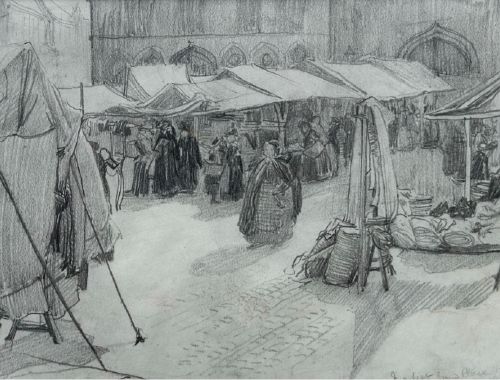
Alongside formal portraits, artists captured everyday street scenes, markets and domestic animals. Life studies from art schools provide insight into early twentieth century academic training.
How should works on paper be framed?
Works on paper require conservation-grade mounting to prevent the paper from touching the glass directly. Acid-free boards and backings protect the delicate charcoal, pencil and watercolour mediums from chemical degradation over time.
Displaying these pieces away from direct sunlight prevents fading in the watercolour pigments and graphite. Retaining original frames, when present, adds historical context as long as the internal materials meet preservation standards.
How do I identify the period of a drawing?
Dating relies on stylistic clues, artist signatures and biographical dates of the sitters or creators. Clothing, hairstyles and framing styles offer reliable visual markers for the Edwardian era and surrounding decades.
Inscriptions on the reverse of the paper or attached gallery labels often record specific dates, locations or exhibition history. Comparing the paper type and medium usage to known works by the artist confirms the timeline.
Are these drawings original works?
Every piece listed is an original work executed by hand rather than a modern reproduction or photomechanical print. Artists applied pencil, charcoal, ink or watercolour directly onto the paper surface.
Close examination under magnification reveals the texture of the paper, individual brush strokes and the pressure of the pencil or charcoal. Many pieces bear signatures, studio stamps or period inscriptions confirming their authenticity.