




Edwardian Art Glass Lamp
An edwardian art glass lamp combines period metalwork with expressive glass, offering an interior light source defined by distinct craftsmanship.
Edwardian Art Glass Lamp
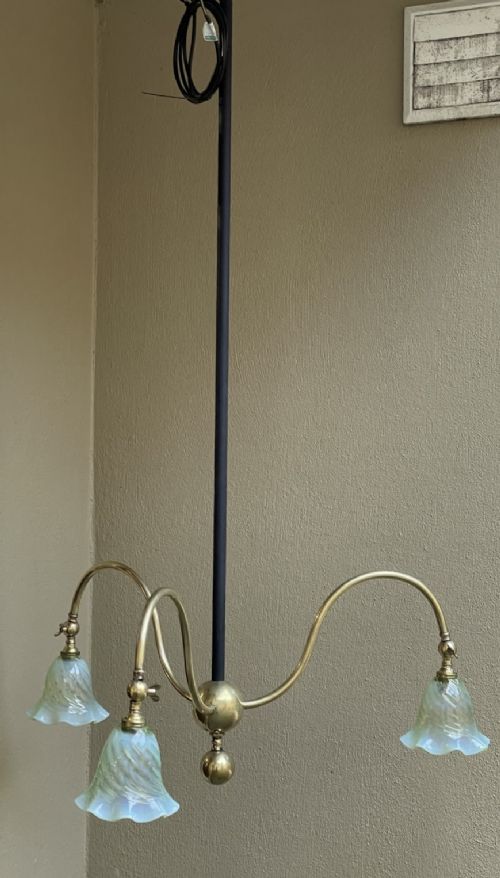
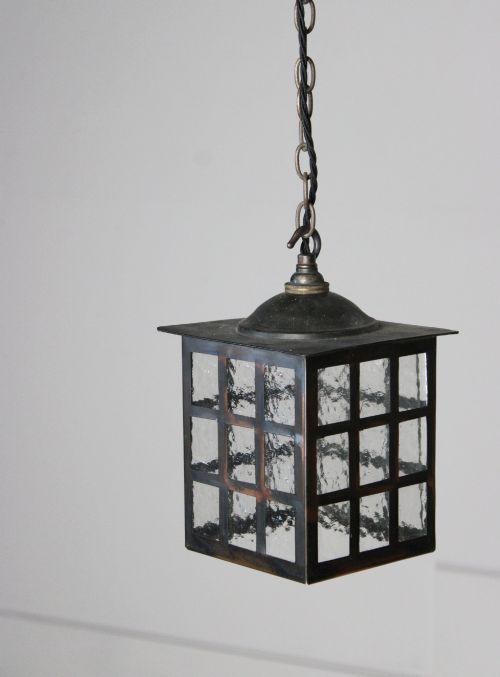
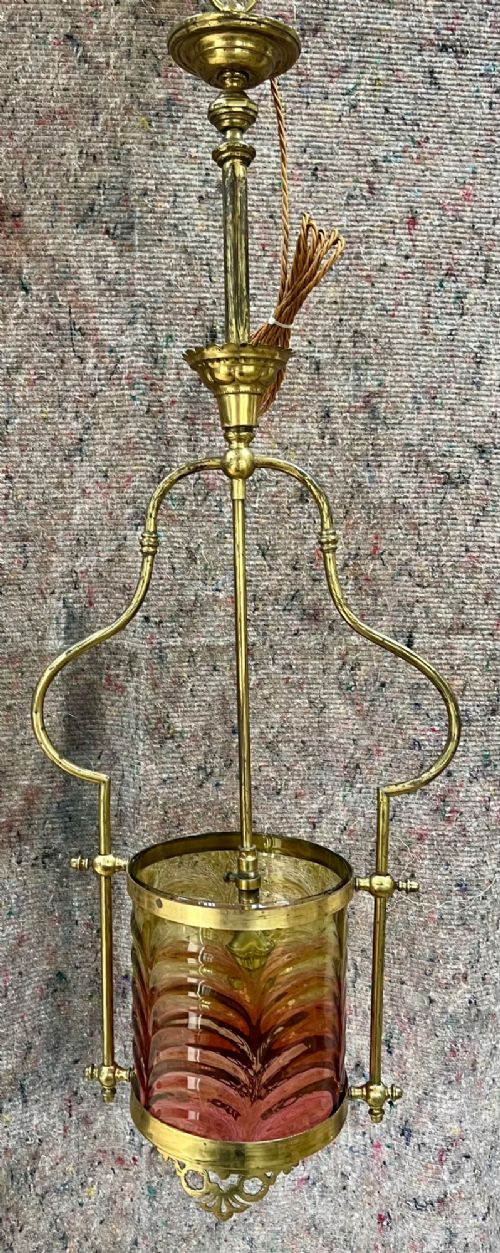
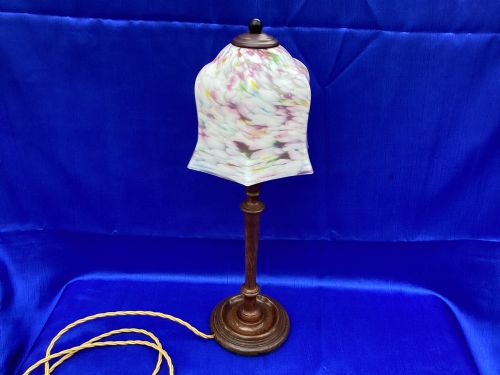
When buyers search for an edwardian art glass lamp, they encounter lighting fixtures originating primarily from the early twentieth century. The selections available encompass table lamps, hanging pendants, and wall sconces that bridge late Victorian domestic interiors and subsequent modernist movements.
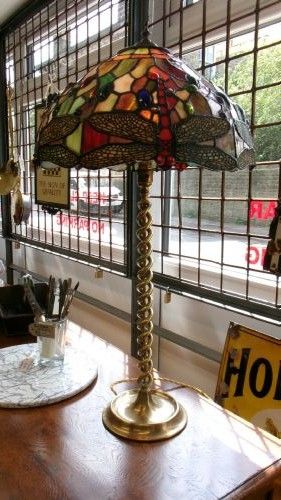
Stylistically, these pieces draw heavily upon the organic curves of Art Nouveau and the functional integrity of the Arts and Crafts movement. Brass frames and copper mountings dominate the structural forms, housing shades created from frosted, cut, opaline, or coloured glass.
Most pieces date from the Edwardian era through the 1920s and 1930s, reflecting a period of transition in domestic illumination. Table lamps and ceiling pendants appear most frequently, often integrating adjustable arms or multi-branch configurations.
How they were made
The construction of these lamps relies on the pairing of cast or beaten metals with specialised glasswork. Brass, bronze, and copper form the structural frameworks, shaped through casting, open twisting, or hand-beating.
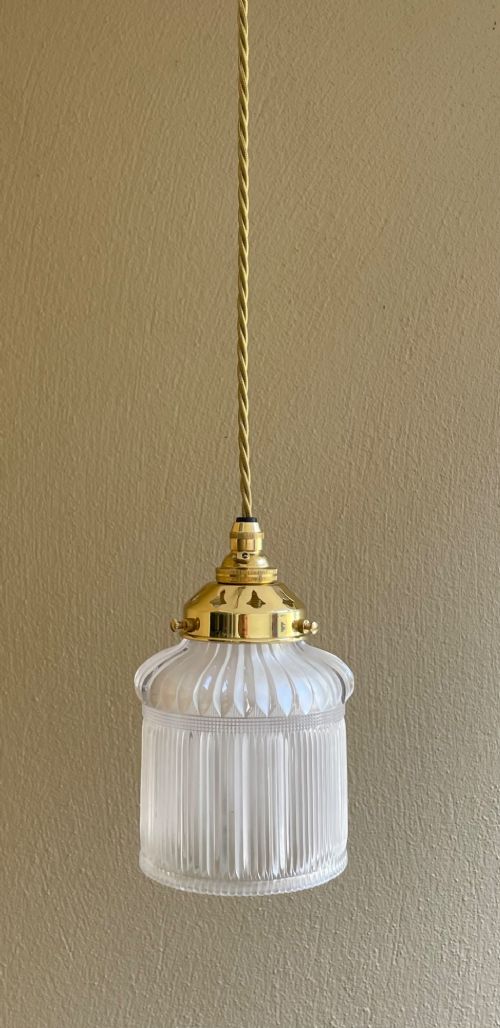
Glass components include leaded panels, moulded opaline shades, and etched crystal bowls. Makers secured these elements using metal claws, frames, or chains, uniting heavy metal bases with translucent or coloured glass diffusers.
Listings combine brass, bronze, and copper with frosted, cut, and opaline glass across table lamps and ceiling pendants.
What varies in quality
Quality in these lighting fixtures rests upon the refinement of the metalwork and the artistic ambition of the glass. Superior examples display patinated bronze or heavy brass castings with crisp detailing, rather than thin pressed sheet metal.
The integration between the glass shade and the metal frame distinguishes standard production from exceptional pieces. Hand-formed glass with deliberate colour variation or leaded construction elevates an object above simpler utilitarian lighting.
Georges Leleu·F and C Osler·Verrerie Des Vosges·Farraday and Son
The Edwardian Art Glass Lamp Glossary
- Art Nouveau
- A style characterised by sinuous, organic lines and floral motifs. This aesthetic heavily influences the metal mounts and glass shades of the period.
- Arts and Crafts
- A design movement prioritising visible handcraftsmanship and simple utility. Pieces in this style often feature beaten copper or brass with honest structural joints.
- Opaline glass
- A milky, semi-translucent glass that diffuses light evenly. It appears frequently in period ceiling pendants and table lamp shades.
- Holophane
- A brand of scientific glass known for its prismatic ribs. These shades were engineered to direct and diffuse light efficiently.
- Cabochon
- A polished, convex piece of glass set into metalwork. They add decorative colour and texture to lamp bases and frames.
Edwardian Art Glass Lamp: Frequently Asked Questions
What periods do these lamps cover?
The listings encompass items spanning the late nineteenth century through to the 1940s, with a strong concentration of pieces from the Edwardian decade and the 1920s.
While Victorian and Art Deco examples also appear, the core aesthetic remains rooted in the transition from ornate nineteenth-century design to early twentieth-century modernism.
How were these lights originally powered?
Many surviving examples began as oil or gas fixtures before undergoing conversion to electricity during the twentieth century. Other pieces were designed specifically for early electrical systems.
Wiring methods and fittings often reflect later adaptations made to meet contemporary safety standards while retaining original outer housings.
Where should I place a pendant light?
Ceiling pendants and hall lanterns suit spaces with adequate vertical clearance, such as entryways, dining areas, or high-ceilinged reception rooms. Their hanging designs draw the eye upward while casting downward illumination.
Careful consideration of drop length ensures the fixture complements the scale of the surrounding room.
How do I distinguish Art Nouveau from Art Deco?
Art Nouveau design favours asymmetrical, flowing curves inspired by natural plant forms. Metalwork and glass often mimic vines, stems, and flower buds.
Art Deco shifts toward geometric symmetry, stylised motifs, and rigid lines, reflecting the mechanised aesthetic of the 1920s and 1930s.