



Edwardian Armchair Project
An edwardian armchair project gives you a sturdy timber frame ready for a complete re-upholstery transformation.
Edwardian Armchair Project
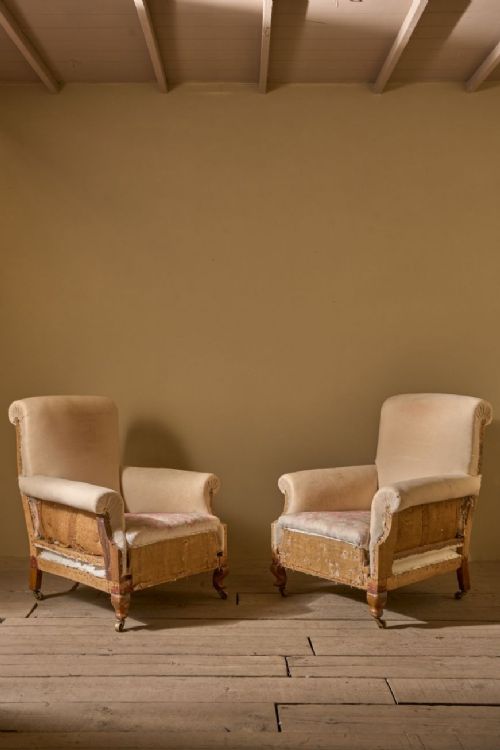
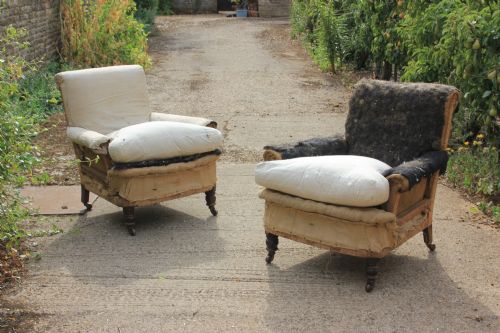
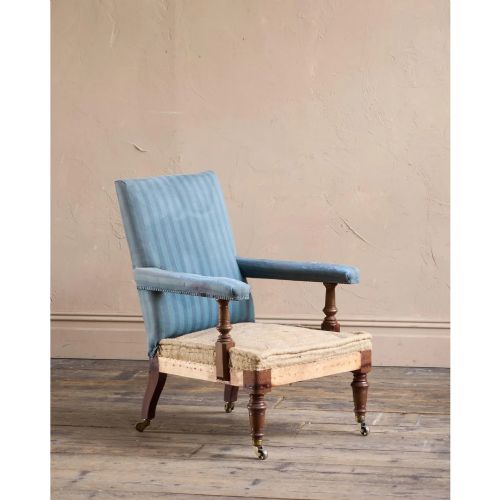
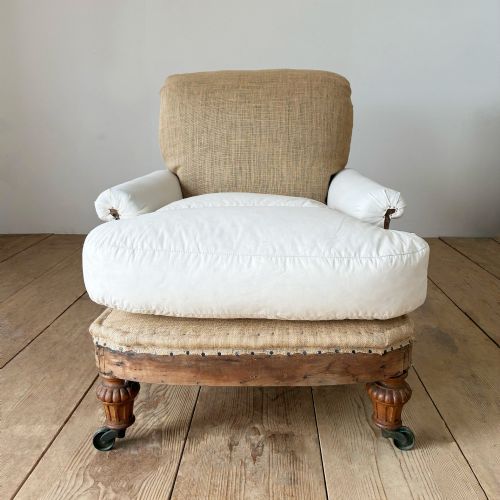
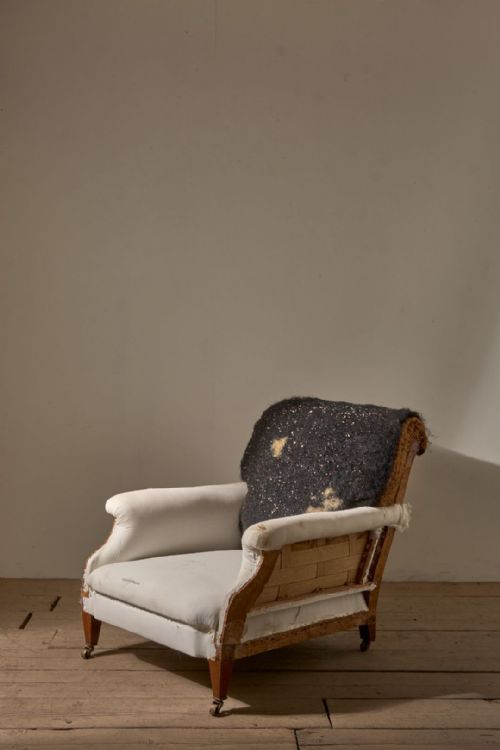
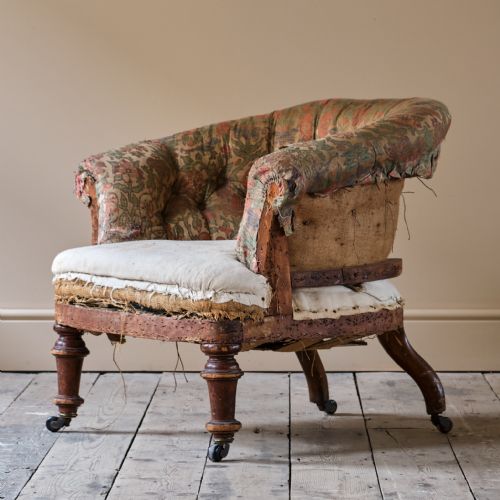
When you search for an edwardian armchair project, you encounter substantial seating frames originating mostly from the Edwardian period and the nineteenth century. These pieces arrive stripped back or requiring complete recovery, often featuring deep seats and classic shapes.
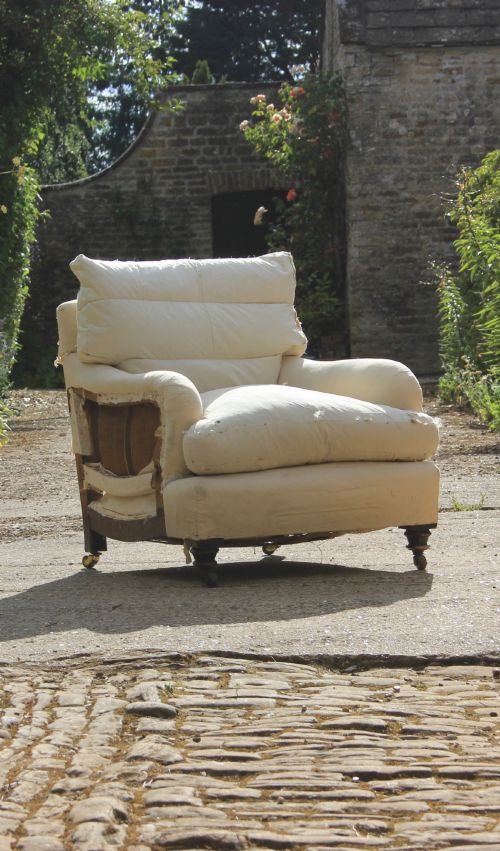
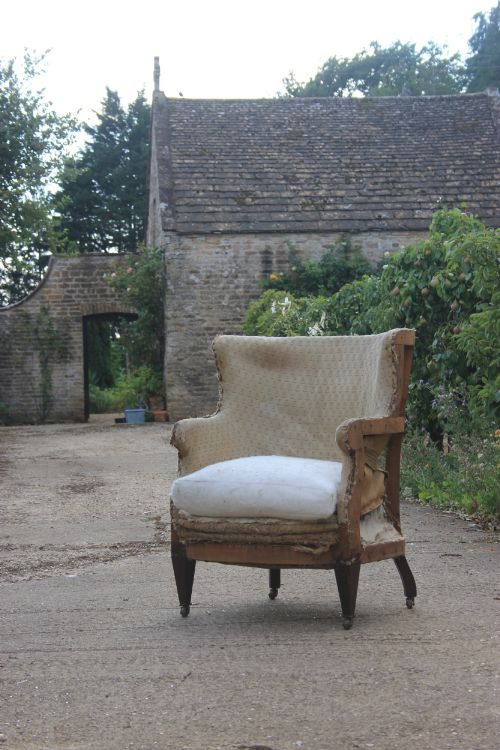
The selections on this page lean heavily towards Howard style armchairs, country house seating, and barrel or tub back forms. Alongside individual armchairs, occasional chairs and larger boudoir suites appear for restoration.
Makers such as Morison and Co and Gillows surface amongst pieces attributed to the nineteenth century and the Edwardian era. Buyers acquire these projects to apply their own choice of fabric to authentic period frames.
Materials and construction
The underlying frames utilise solid timbers including mahogany, walnut, and general hardwoods. Structural support relies on traditional joinery designed to bear heavy daily use.
Internal stuffing historically incorporates horsehair, secured beneath foundation layers of hessian and calico. Exposed wooden elements often feature mahogany or walnut, occasionally complemented by brass castors.
Edwardian Armchair Project Retail Price Guide 2026
Typical asking prices for edwardian armchair project among the pieces listed under this phrase on Sellingantiques today, from the lower quarter to the upper quarter. They describe what is for sale here now, not the wider market.
Distinctions in quality
The integrity of the wooden frame dictates the baseline worth of any project piece. Heavier, deeper frames with robust springing systems represent superior craftsmanship compared to lighter occasional seating.
Attribution to recognised makers elevates a piece significantly above unbranded workshop output. Original components, such as turned legs and brass hardware, preserve the historical integrity of the restoration.
Morison and Co·Gillows·SF Cullen
The Edwardian Armchair Project Glossary
- Howard style
- A generous, deep-seated armchair design characterised by low rolled arms and substantial cushioning. This archetype heavily influences many nineteenth and twentieth century country house chairs.
- Hessian
- A coarse woven fabric typically utilised as the foundational scrim beneath final upholstery layers. It provides the necessary tension for internal stuffing materials.
- Horsehair
- A traditional stuffing material gathered from the manes and tails of horses, valued for its natural resilience and breathability. Upholsterers card and pack this fibre to shape traditional sprung seats.
- Boudoir suite
- A matched set of seating furniture, such as chairs and settees, originally intended for private sitting rooms. These suites frequently require coordinated re-upholstery across multiple pieces.
Edwardian Armchair Project: Frequently Asked Questions
What is an edwardian armchair project?
An edwardian armchair project is an antique seating frame from the early twentieth century or nineteenth century that requires fresh upholstery and interior restoration. These pieces allow buyers to select bespoke fabrics while retaining an authentic period wooden foundation.
Most examples arrive with exposed timber legs, traditional springing, and foundational hessian or calico coverings still intact. They range from compact barrel backs to large country house styles.
How do I choose the right frame?
Consider the scale of the room and the intended depth of the seat before selecting a project. Deep country house designs require significant floor space, whereas occasional chairs fit neatly into smaller boudoir settings.
Examine the listed periods and styles, noting whether you prefer a Howard style low arm or a traditional winged back. The underlying timber, whether mahogany or walnut, should guide your aesthetic expectations for the exposed woodwork.
What materials will I need for upholstery?
Restoring these armchairs typically requires traditional materials like horsehair, hessian, and calico to build up the internal shape correctly. You will also need your choice of top fabric to complete the exterior appearance.
Many projects benefit from retaining or sourcing matching brass castors and sturdy internal webbing. Consulting an experienced upholsterer ensures the springs and stuffing meet the structural demands of the frame.
How do I date these armchairs?
Dating relies on stylistic markers, construction techniques, and attribution notes provided in the individual listings. Pieces span the Victorian era, the Edwardian period, and occasionally the eighteenth century.
Details such as inlaid mahogany, specific turned leg profiles, and maker stamps from firms like Gillows help narrow down the decade of manufacture. Comparing the silhouette to established nineteenth-century forms provides further chronological clarity.