

Edwardian Accent Lamp
An Edwardian accent lamp brings warm, focused light and compact utility to a corner, drawing on a tradition of flexible occasional furniture.
Edwardian Accent Lamp
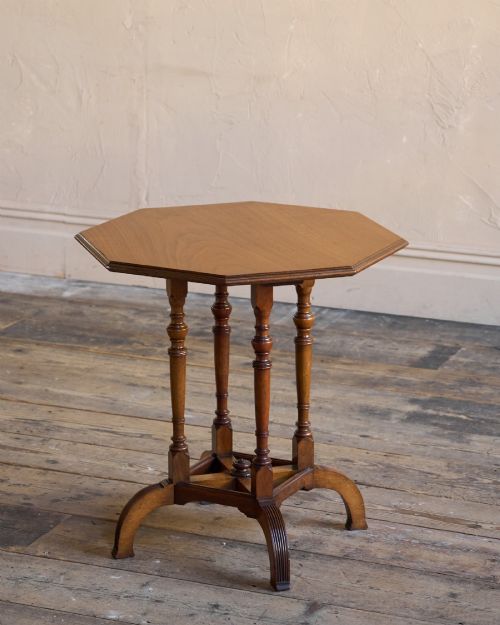
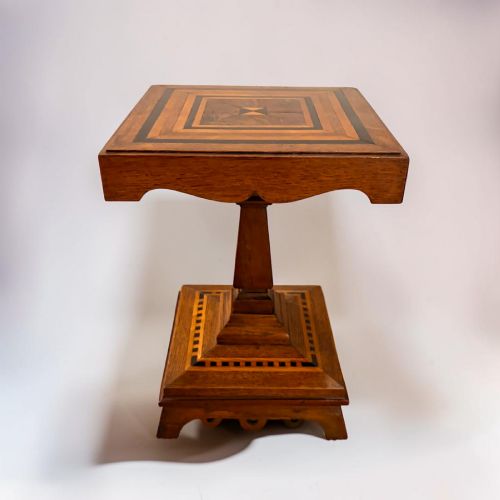
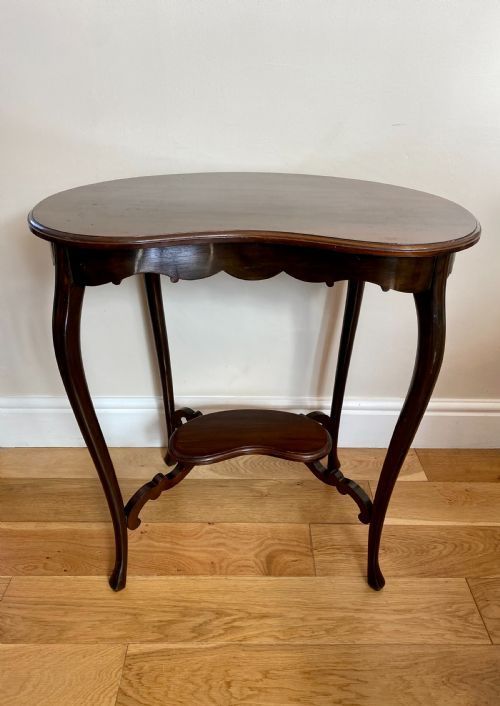
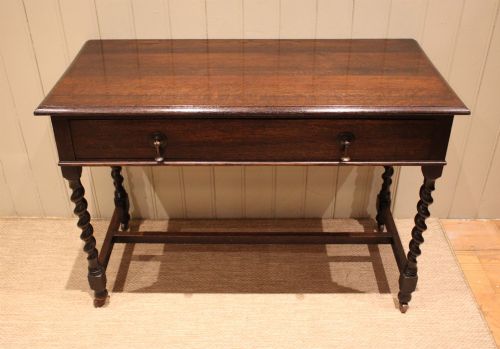
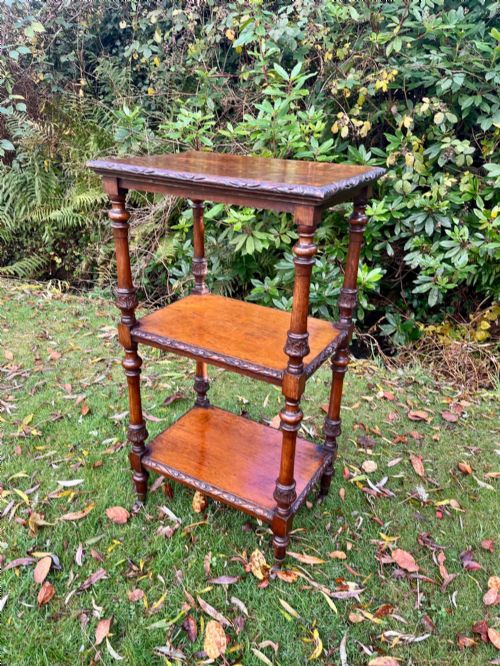
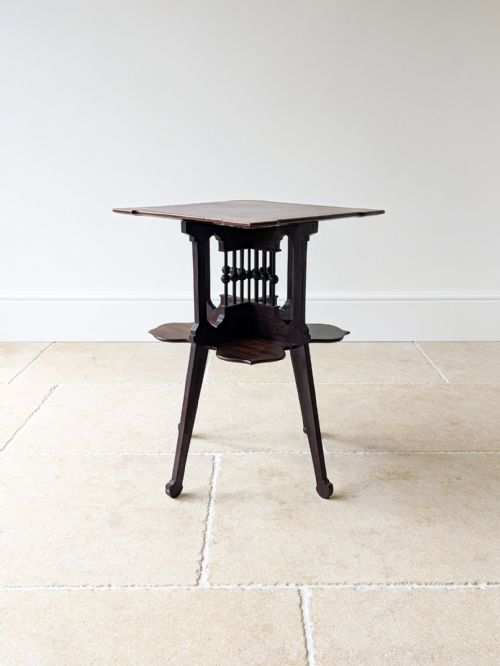
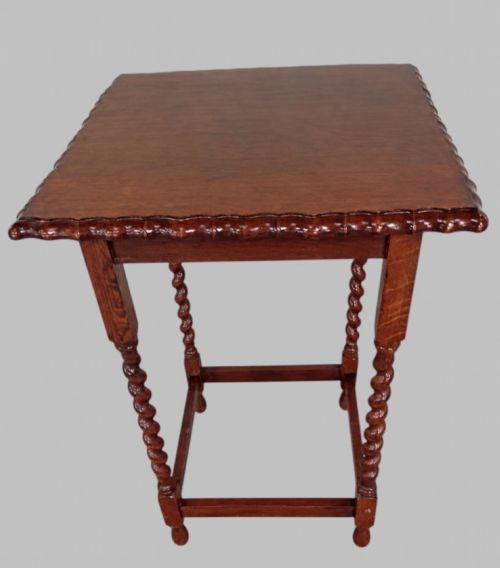
When searching for an Edwardian accent lamp, buyers encounter a variety of small tables, plant stands, and dedicated lighting fixtures designed to sit beside seating or in quiet corners. The pieces listed under this phrase span occasional tables, side tables, and table lamps from the Edwardian period and adjacent decades.
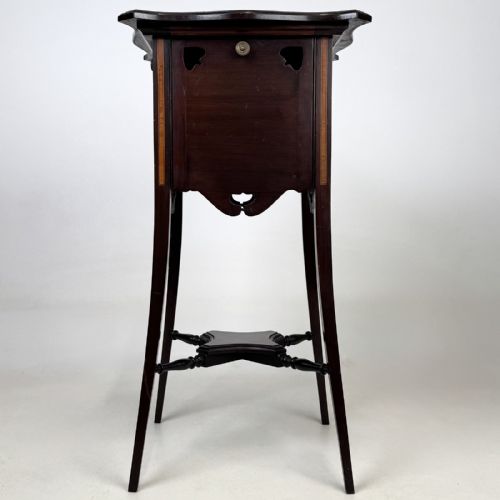
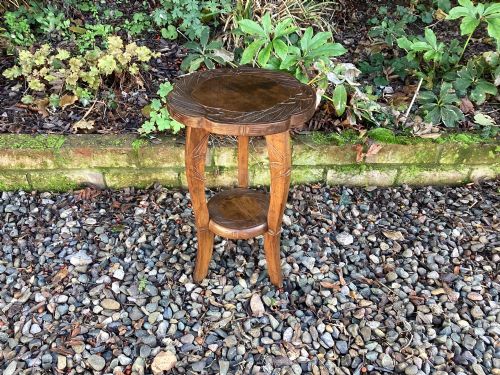
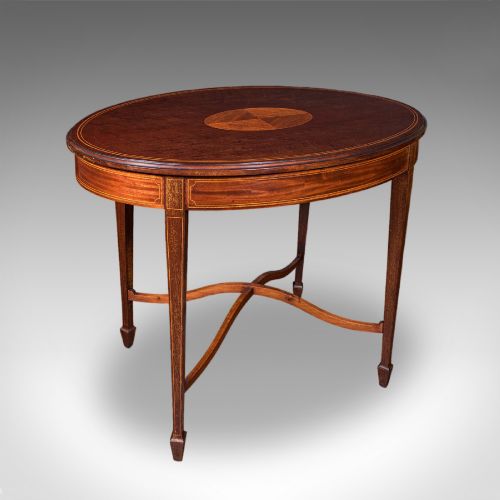
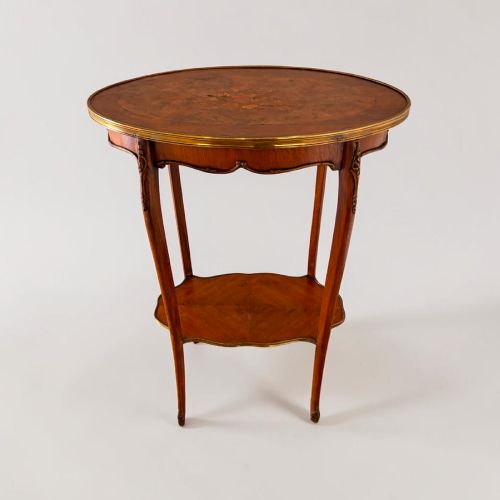
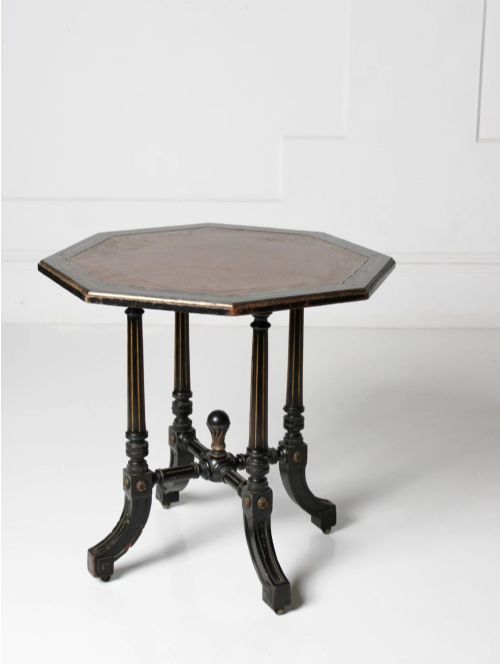
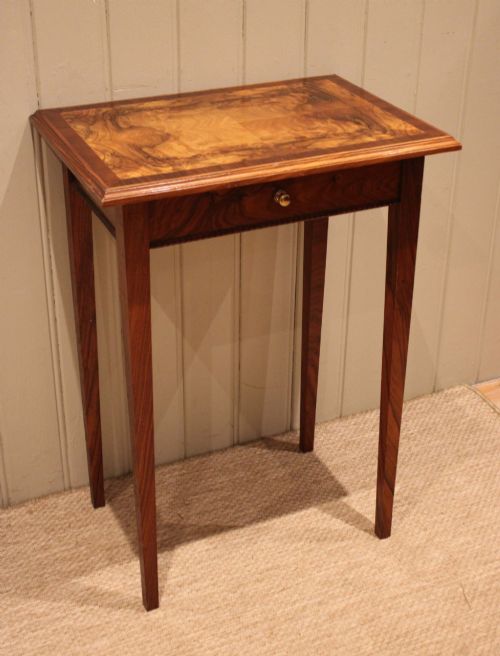
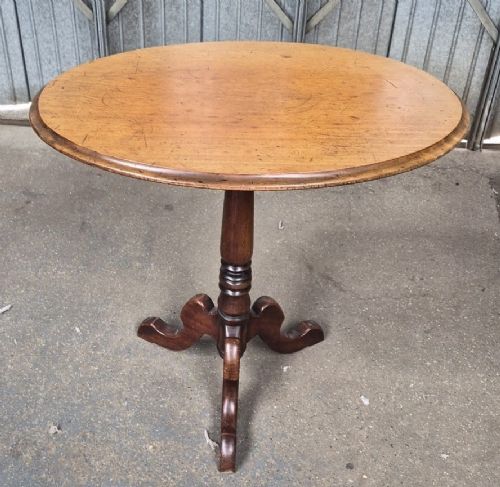
Most examples originate from the Edwardian era, alongside pieces from the Victorian, Arts and Crafts, and Art Nouveau periods. These forms range from slender wine tables and tripod tables to low lamp tables with brass galleries or lower shelves.
Makers and designers of the time utilised domestic and exotic timbers to create portable furniture that accommodated the growing demand for task lighting and intimate room arrangements.
Assessing quality and craftsmanship
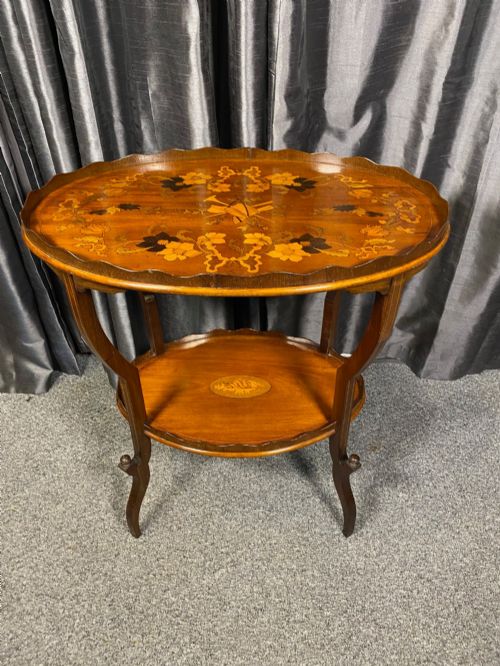
Quality rests in the crispness of the carving, the precision of the inlaid boxwood, and the selection of figured veneers such as burr walnut or satinwood. Superior examples display balanced proportions, stable tripod or four-leg constructions, and thoughtful detailing like carved stretchers or discreet hidden drawers.
Lower tiers of quality show simpler, plain-timber construction with minimal decorative embellishment and more utilitarian joints. The distinction lies in whether the piece was produced as standard mass-market furniture or as a bespoke item with refined stylistic flourishes.
Edwardian Accent Lamp Retail Price Guide 2026
Typical asking prices for edwardian accent lamp among the pieces listed under this phrase on Sellingantiques today, from the lower quarter to the upper quarter. They describe what is for sale here now, not the wider market.
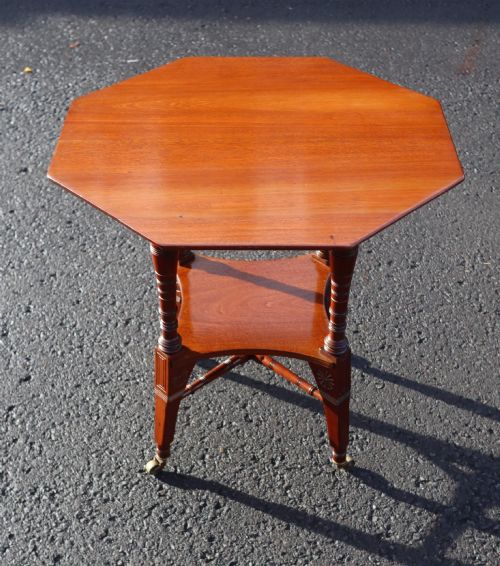
Forms include oval, circular, and octagonal occasional tables alongside slender brass lamp stands.
Liberty London·James Shoolbred·Leonard Wyburd
The Edwardian Accent Lamp Glossary
- Gadrooning
- A decorative carved ornamental moulding consisting of convex curves, often seen running along the edge of table tops.
- Marquetry
- The art of applying pieces of veneer to a structure to form decorative patterns, frequently utilising contrasting timbers like satinwood and mahogany.
- Tripod table
- A small freestanding table supported by a central pillar resting on three legs, common in the Edwardian period for flexible placement.
- Occasional table
- A small, movable table designed for specific, intermittent use around the home, such as holding a lamp or book.
Edwardian Accent Lamp: Frequently Asked Questions
Where should I place an accent lamp?
These pieces suit quiet corners, beside armchairs, or alongside sofas where they provide accessible surface space and focused lighting without dominating the room.
Their compact footprints allow them to integrate easily into existing room layouts.
How do I distinguish Edwardian from Victorian styles?
Edwardian designs generally favour lighter proportions, brighter satinwood inlays, and simpler lines influenced by Sheraton Revival aesthetics. Victorian pieces tend to be heavier in timber choice and more robustly carved.
Looking at the leg style and edge treatment often reveals the stylistic shift.
Can these tables support modern lighting?
Most occasional and lamp tables from this era provide sturdy surfaces suitable for holding standard table lamps and reading lights. Their original function often included supporting oil lamps or early electric fixtures.
Ensure the surface area matches the base footprint of your chosen lamp.
What woods are typical for these items?
Mahogany and oak predominate, complemented by walnut, satinwood, and occasional painted finishes. Inlaid details frequently utilise boxwood for contrast.
These timbers reflect the dominant cabinet-making materials of the late nineteenth and early twentieth centuries.