







Edo Wood Carving
These pieces of edo wood carving bring tactile craft into the room through miniature netsuke, figures, and architectural salvage.
Edo Wood Carving
The search for edo wood carving leads directly to Japanese work from the eighteenth and nineteenth centuries, alongside related carved objects from the same broad eras.
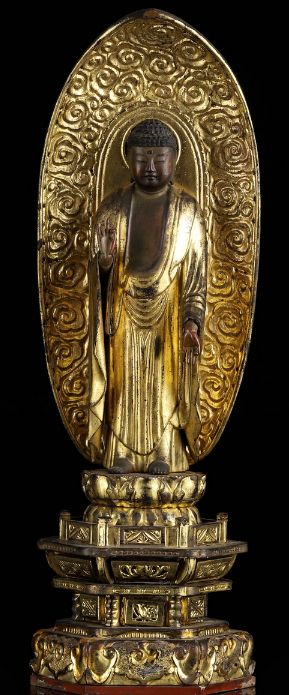
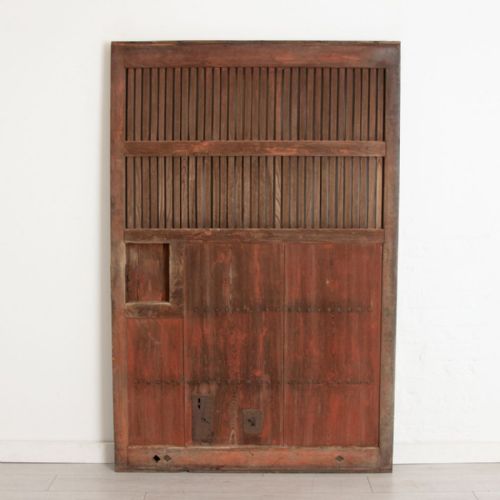
Buyers meet small sculptures, boxwood netsuke depicting animals and figures, masks, and larger storage doors originating from Japan.
These items served practical daily functions or personal adornment, translating traditional stories and natural forms into portable wooden sculptures.
Materials and construction
Makers utilised dense boxwood and exotic timbers, carving the material with fine hand tools to capture detailed hair, expression, and texture.
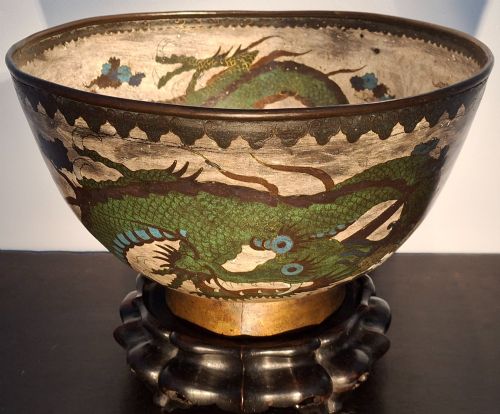
Some works incorporate inlaid horn, mother-of-pearl, cord, or cloisonne enamel sections to contrast against the carved wooden surfaces.
Edo Wood Carving Retail Price Guide 2026
Typical asking prices for edo wood carving among the pieces listed under this phrase on Sellingantiques today, from the lower quarter to the upper quarter. They describe what is for sale here now, not the wider market.
Several miniature figures depict wise men, toads, frogs, and young boys sitting on rams.
Judging quality in carved wood
Quality rests upon the crispness of the carving and the depth of the anatomical detail within miniature subjects like netsuke and figures.
Superior examples demonstrate a careful balance between naturalistic proportion and smooth, tactile wear acquired through handling.
Masayuki
The Edo Wood Carving Glossary
- Netsuke
- A small carved toggle fastened to the end of a cord, used to suspend a pouch or medicine box from a traditional Japanese kimono sash.
- Boxwood
- A dense, pale hardwood favoured by carvers for its fine grain and ability to hold intricate detail without splintering.
- Manju Kagamibuta
- A circular button-shaped netsuke featuring a metal disc fitted into a carved wooden body.
- Sashi netsuke
- A long, slender rod-style toggle slipped directly behind the sash to secure suspended accessories.
- Champleve
- An enamelling technique where troughs are dug into a base material and filled with vitreous enamel paste before firing.
Edo Wood Carving: Frequently Asked Questions
What is an edo wood carving?
An edo wood carving is a sculptural wooden object originating from Japan during the Edo period or associated with its traditional aesthetic.
These pieces range from miniature toggles worn daily to architectural elements from traditional storehouses.
How were netsuke used?
Netsuke functioned as practical toggles attached to cords that held hanging containers like tobacco boxes or medicine pouches.
They slipped behind the sash of a garment to anchor the suspended items securely in place.
How do I care for boxwood carvings?
Keep carved wood away from direct heat sources and sudden humidity shifts to prevent the natural timber from splitting.
Handle the objects gently with clean hands to preserve the smooth patina developed over generations.
How do I identify Edo period work?
Identification relies on observing traditional subject matter, tool marks, wood species like boxwood, and period-specific construction methods.
Stylistic conventions and signature panels help distinguish these items from later Meiji period production.