





Edo Period Sculpture
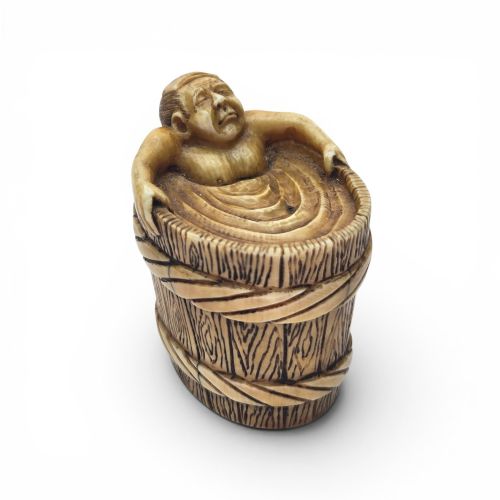
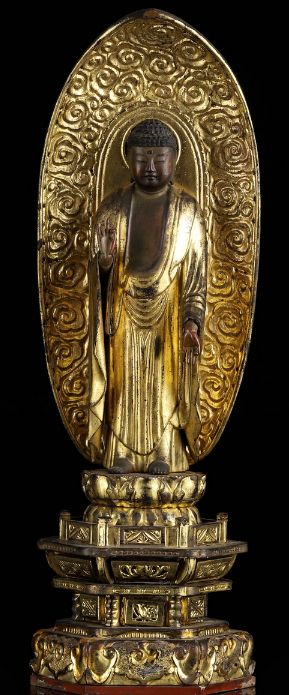
These pieces of edo period sculpture are portable carvings and figures of boxwood, stag antler, porcelain, and cherry amber, offering tactile presence and traditional craftsmanship.
Edo Period Sculpture
When you search for edo period sculpture, you encounter small-scale carvings and decorative figurines designed for daily wear or interior display. These pieces originate primarily from the nineteenth century, bridging traditional Edo methods and later Meiji developments.
The most common forms on this page include netsuke, small figural ornaments, and guardian figures rendered in wood, antler, and porcelain. Subjects range from naturalistic animals and mythical beasts to human figures and monks.
Makers and kilns span regional traditions, including Hirado porcelain from the Mikawachi kilns alongside signed wood and antler netsuke. Each sculpture reflects the specific material choices and sculptural conventions of its period.
Materials and carving techniques
Carvers utilised organic materials such as boxwood, stag antler, cherry amber, and carved bone, shaping them with hand chisels to exploit the natural grain and texture. Boxwood allowed for minute facial expressions and intricate surface detail.
Edo Period Sculpture Retail Price Guide 2026
Typical asking prices for edo period sculpture among the pieces listed under this phrase on Sellingantiques today, from the lower quarter to the upper quarter. They describe what is for sale here now, not the wider market.
Several small dogs and resting animals wait patiently among the carvings, keeping quiet watch over the collection.
Distinctions in quality
Quality rests upon the precision of the carving and the sensitivity to the chosen material, whether it is the dense grain of boxwood or the organic curves of stag antler. Superior examples demonstrate a fluid integration of form and subject matter.
Signature placement and workshop attribution separate standard decorative objects from masterworks produced by recognised traditions such as the Tomochika school or signed artisans like Masayuki.
Mikawachi Kilns·Masayuki·Satsuma
The Edo Period Sculpture Glossary
- Netsuke
- A small carved toggle fastened to the end of a cord attached to a small container worn on the kimono sash. They served a practical purpose while showcasing miniature sculptural artistry.
- Sashi netsuke
- A long, slender rod-shaped toggle tucked directly into the sash to secure a pouch or pipe case. These objects combine linear form with practical fastening utility.
- Hirado porcelain
- Fine white Japanese porcelain produced in Hizen province, known for its smooth glaze and refined modelling of figures and animals. Mikawachi kilns were particularly noted for this ceramic work.
- Karashishi
- A mythical guardian lion dog originating in Chinese tradition and adopted into Japanese sculpture. They appear frequently as protective figures in porcelain and wood.
- Boxwood
- A dense, pale hardwood favoured by carvers for its fine grain and ability to hold microscopic detail without splintering.
Edo Period Sculpture: Frequently Asked Questions
What is an edo period sculpture?
These sculptures are small carvings, netsuke, and figurines made from boxwood, stag antler, and porcelain during the Edo and transition periods.
They reflect traditional Japanese craftsmanship, depicting animals, monks, and mythical figures designed for personal use or display.
How were netsuke used?
Netsuke functioned as toggles on the ends of cords connected to small hanging containers or pouches worn suspended from kimono sashes.
They allowed the wearer to secure personal items safely while providing a surface for intricate miniature carving.
How do I care for wood sculptures?
Wooden and organic sculptures require stable indoor humidity and protection from direct sunlight to prevent drying or cracking.
Gentle dusting with a soft, dry cloth preserves the natural patina developed through handling over centuries.
How do I identify porcelain figures?
Porcelain pieces often exhibit the fine white body and precise glaze characteristic of Hirado production from regional kilns like Mikawachi.
Subject matter such as recumbent horses or guardian lion dogs helps distinguish these ceramic works from wood carvings.