

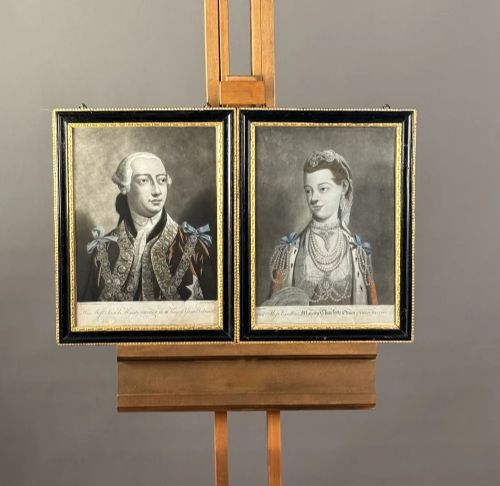
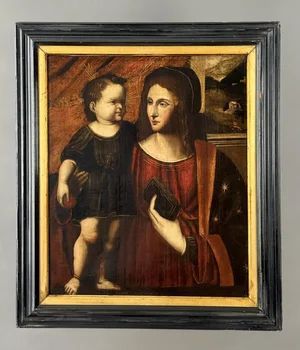
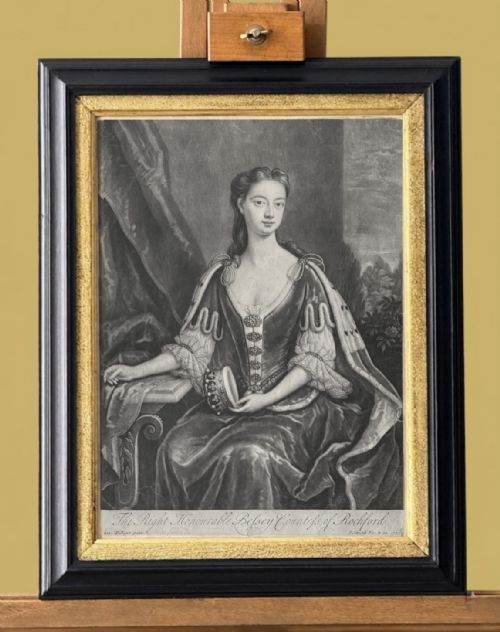
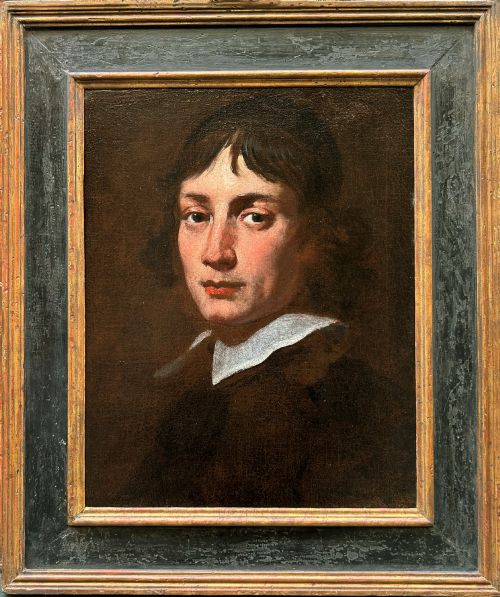
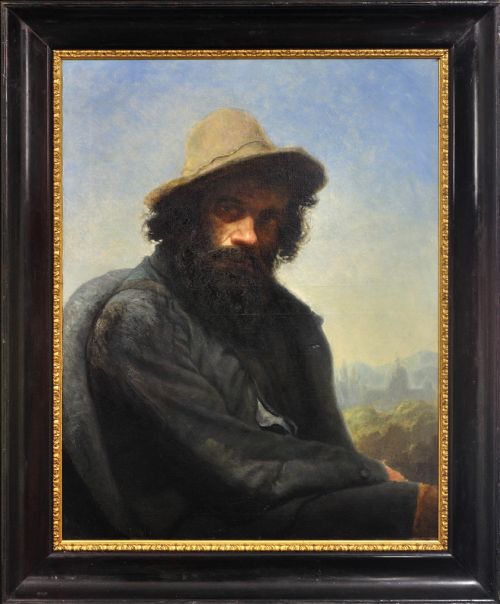
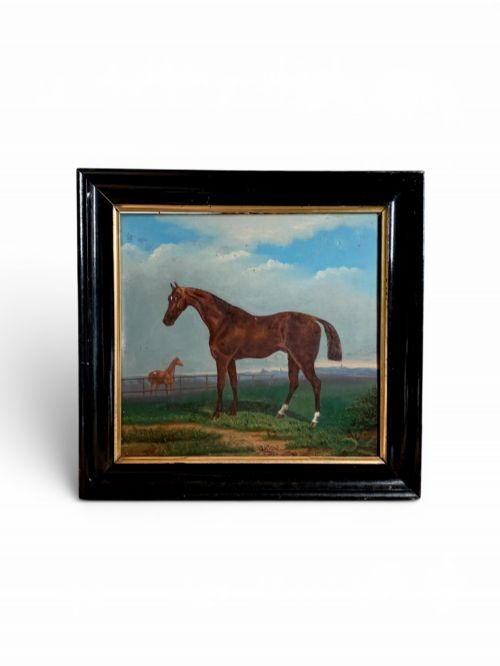


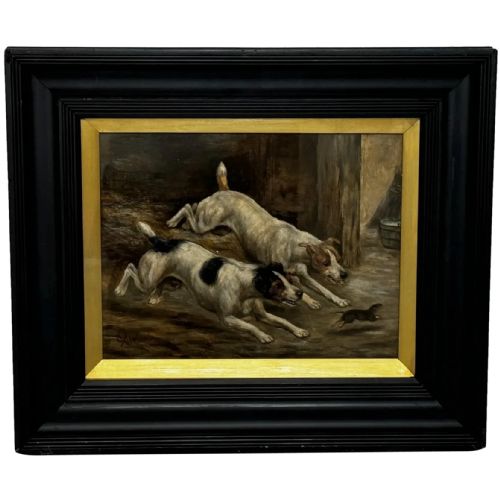


Ebonised Wood Framed Artwork
Ebonised wood framed artwork brings together dark, polished timber and centuries of painting, engraving, and miniature portraiture.
Ebonised Wood Framed Artwork
When you search for ebonised wood framed artwork, you encounter pieces spanning from the seventeenth century through to the Victorian era. These items encompass oil paintings, panel paintings, reverse paintings on glass, and delicate miniatures.
The objects take many forms, including framed oil paintings, wall hanging panels, engravings, and mezzotints. Subjects range from portraits of nobility and self-portraits to Dutch interiors, hunting scenes, and religious iconography.
The dark frames provide a striking contrast to the imagery within, drawing the eye directly to the canvas, paper, or glass. Most examples reflect distinct historical periods such as the Georgian, Regency, and Victorian eras, as well as continental European schools.
Materials and construction methods
Makers utilised timber treated to imitate ebony, creating deep black frames that contrast with oil paint, canvas, wood panels, and paper. Glass also appears, protecting delicate engravings and reverse paintings.
Artworks themselves combine traditional media such as oil paint, gold leaf, and brass components. Panels and canvases form the base for intricate brushwork, while mezzotints and engravings utilise detailed ink techniques.
Ebonised Wood Framed Artwork Retail Price Guide 2026
Typical asking prices for ebonised wood framed artwork among the pieces listed under this phrase on Sellingantiques today, from the lower quarter to the upper quarter. They describe what is for sale here now, not the wider market.
Listings feature items spanning the 17th, 18th, and 19th centuries, utilising materials such as wood, glass, oil paint, gold leaf, and brass.
Distinguishing quality in these pieces
Quality rests in the precision of the frame's ebonising and the fineness of the artwork it surrounds. Expertly finished timber maintains an even, dark surface without masking the natural grain underneath.
Superior works demonstrate refined execution in the painting or engraving, whether in the delicate rendering of a miniature portrait or the depth of a nineteenth-century oil scene. The harmony between the dark frame and the historic artwork dictates the overall standard.
John Smith·Albin Mattenheimer·Hans Temple·Otto Pilny
The Ebonised Wood Framed Artwork Glossary
- Ebonised
- Wood treated with stain, dye, or paint to simulate expensive ebony timber. This dark finish became popular across multiple historical periods for framing fine art.
- Mezzotint
- A printmaking process where the copper plate is roughened to allow halftone gradients. It produces rich, dark tones that pair naturally with black frames.
- Reverse painting on glass
- An art technique where the image is painted directly onto the back of a glass sheet and viewed from the front. The glass acts as its own protective glaze.
- Miniature painting
- A small-scale portrait or scene requiring meticulous brushwork. These portable works often demand intimate framing to preserve their detailed execution.
Ebonised Wood Framed Artwork: Frequently Asked Questions
What periods do these pieces cover?
The inventory spans several centuries, running from the seventeenth century through Georgian and Regency times into the Victorian era and the end of the nineteenth century.
This broad timeline means works reflect diverse artistic movements, from Dutch interior styles to academic realism and nineteenth-century French and Viennese schools.
How do I care for ebonised frames?
Keep the dark wooden frames away from direct sunlight and excessive moisture to protect the ebonised finish. Dust them gently with a dry, soft cloth.
Avoid using harsh chemical polishes that might lift the dark surface treatment over time.
Are these artworks painted on canvas?
While some pieces utilise canvas, many examples in this category employ alternative surfaces such as wood panels, paper, ivory, and glass.
Reverse paintings on glass and delicate miniature portraits frequently appear alongside traditional oil paintings on wood.
What subjects are common in these frames?
Portraits dominate the selection, ranging from seventeenth-century nobility and self-portraits to miniatures and engravings of historical figures. You will also find animal scenes, hunting pursuits, religious subjects, and architectural processions.
This variety reflects the wide application of dark framing across different genres of historic fine art.