
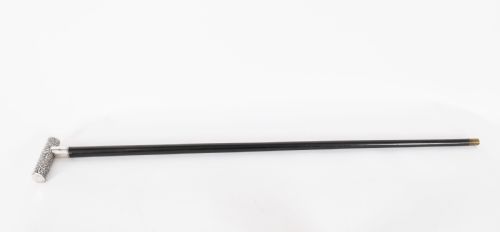
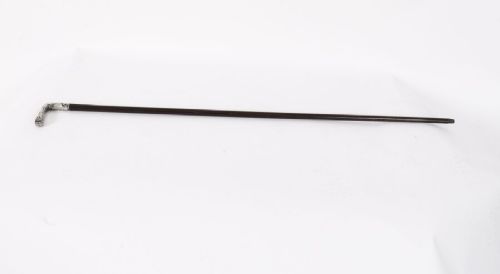
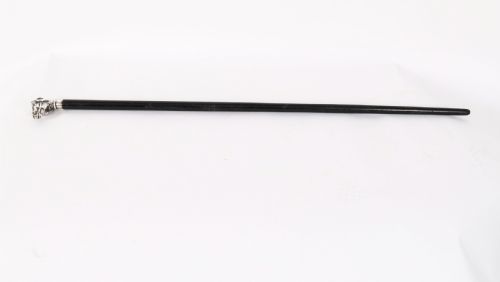
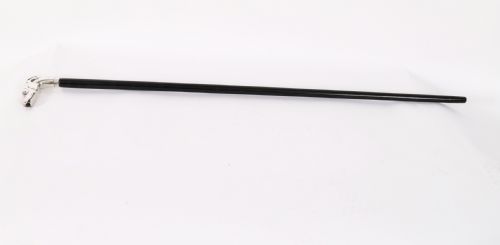
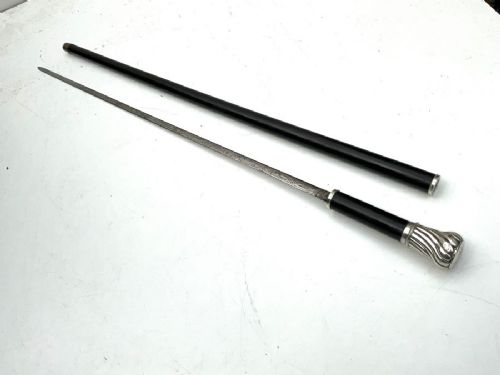


Ebonised Silver Cane
An ebonised silver cane brings a flash of polished metal to dark wood, offering a sophisticated accessory carried through the nineteenth and twentieth centuries.
Ebonised Silver Cane
An ebonised silver cane is a traditional walking stick featuring a darkened wooden shaft paired with a metal handle, frequently found from Victorian, Edwardian, and nineteenth-century periods.
Buyers encounter various forms ranging from standard gentleman's walking sticks to novelty animal heads, golf club shapes, and concealed sword sticks.
Origins span English, French, Chinese Export, and continental workshops, reflecting varied stylistic preferences from the period.
Materials and construction methods
Shafts utilise ebonised wood, oak, or horn, darkened to mimic ebony and paired with sterling silver, silver plate, brass, or steel mounts.
Handles often feature detailed repoussé or chased silver work, sometimes incorporating functional elements like watch movements or hidden blades.
Listings feature items from the nineteenth century, Victorian era, and Edwardian period utilising silver, ebonised wood, oak, brass, and steel.
Distinguishing quality across pieces
Quality rests in the crispness of the silver handle's detail and the finish of the ebonised wooden shaft.
Substantial weight, clear hallmarks, and secure joinery between handle and shaft elevate an example above standard utility pieces.
Kendall And Sons·John Coakley
The Ebonised Silver Cane Glossary
- Ebonised
- Wood treated with a stain or finish to imitate true ebony, creating a deep black surface. This technique was widely utilised on nineteenth-century walking canes.
- Hallmark
- An official stamp applied to precious metals indicating purity and origin. English examples often show city marks and date letters.
- Opera Cane
- A specialised walking stick featuring a built-in mechanical watch movement within the handle. These allowed the owner to check the time discreetly.
- Sword Stick
- A walking cane containing a concealed steel blade within the wooden shaft. They served as personal defence accessories in the nineteenth century.
- Prunus Blossom
- A decorative motif depicting plum blossoms, often found on Chinese export silver handles. This floral design appears frequently on nineteenth-century pieces.
Ebonised Silver Cane: Frequently Asked Questions
What is an ebonised silver cane?
An ebonised silver cane is a historical walking stick featuring a darkened wooden shaft and a silver handle.
These accessories were widely carried during the Victorian and Edwardian eras by gentlemen and dandies as a mark of status.
How do I date an ebonised walking stick?
Dating relies heavily on silver hallmarks stamped onto the metal handle, which indicate the assay office and year of production.
Stylistic details, such as animal head motifs or floral prunus patterns, also help place pieces within the nineteenth or early twentieth century.
Were all ebonised canes used for walking?
While many served as daily walking aids, certain examples doubled as novelty items or concealed weapons.
Pieces might house watch movements in the handle or contain hidden steel blades within the wooden shaft.
How should I care for an antique cane?
Preserve the ebonised wood by keeping it away from direct sunlight and excessive moisture to prevent cracking or fading.
Polish the silver handle gently with a soft cloth while avoiding abrasive cleaners that might damage the dark wooden finish.