





Ebonised Framed Landscape
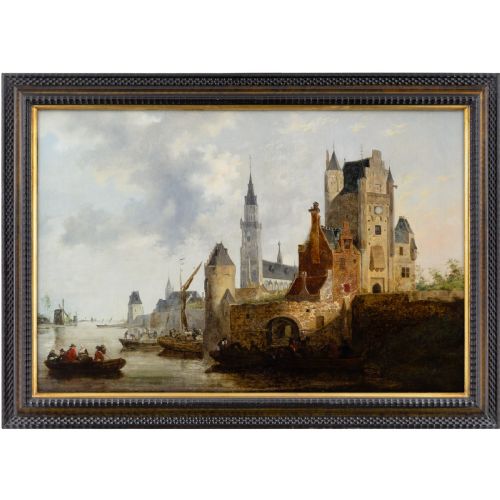
An ebonised framed landscape brings dark, moody contrast to a wall, framing painted views and prints from the seventeenth century onwards.
Ebonised Framed Landscape
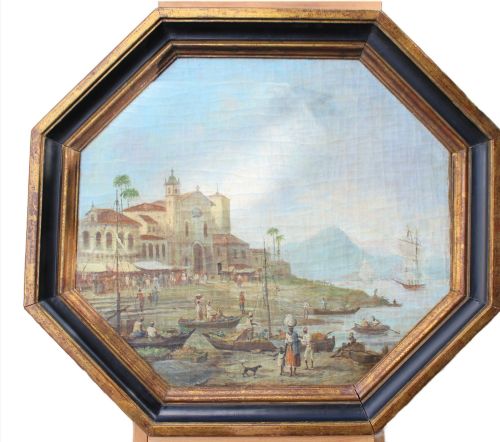
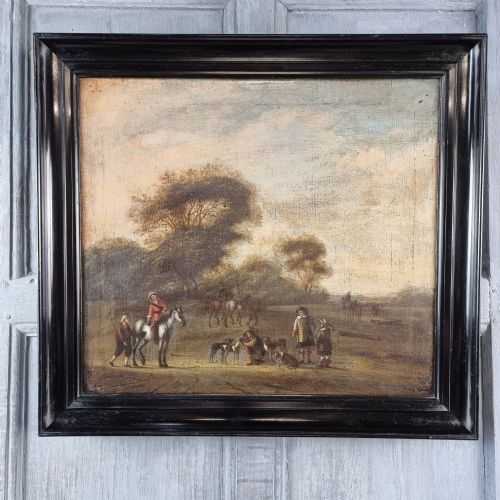
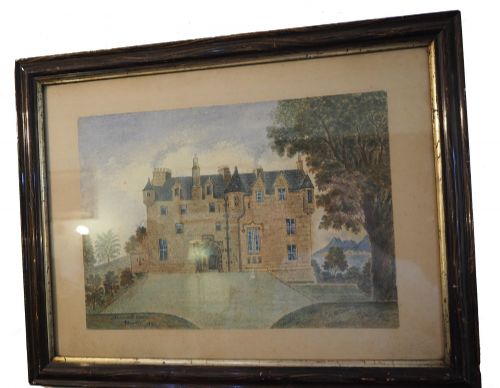
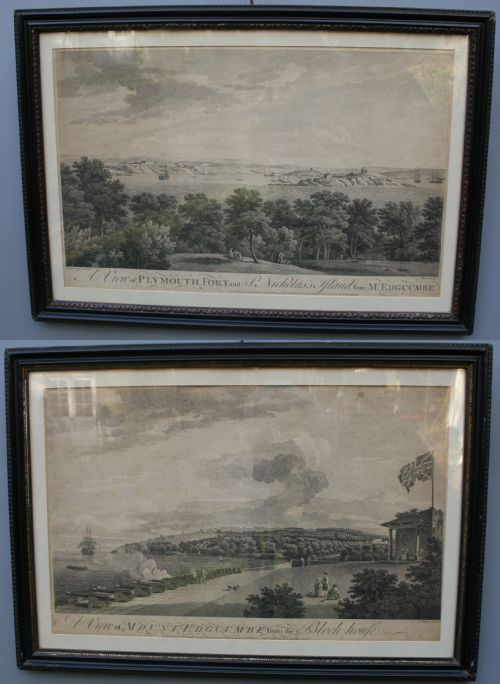
An ebonised framed landscape comprises painted scenes, watercolours, oils and prints housed within dark wood frames. These works span periods from the seventeenth century through the Georgian and Victorian eras up to the mid-twentieth century.
The selection includes topographical views, romantic ruins, farm landscapes and coastal scenes. Many pieces originate from British and European traditions, incorporating styles from Dutch Golden Age painting to Georgian folk art.
Buyers will encounter oil paintings on canvas and wood, alongside works on paper and glass. These pieces serve primarily as wall art and decorative wall plaques within domestic interiors.
How they were made
Makers constructed the primary housings using wood treated to achieve an ebonised finish, frequently paired with glass, brass and gilt details. Artists applied oil and watercolour pigments to canvas, wood panels, paper and enamel surfaces.
Framing techniques involved staining or painting timber to imitate ebony, providing a stark contrast to the lighter tones of the landscapes within. Surviving examples demonstrate period mounting methods including gilt accents and protective glass covers.
Ebonised Framed Landscape Retail Price Guide 2026
Typical asking prices for ebonised framed landscape among the pieces listed under this phrase on Sellingantiques today, from the lower quarter to the upper quarter. They describe what is for sale here now, not the wider market.
Listings feature works spanning from the seventeenth century through to the mid-twentieth century, utilising oil, watercolour, and print on paper.
What varies in quality
Quality rests upon the execution of the landscape itself and the integrity of the original ebonised frame. Finer works display accomplished brushwork and distinct geographical or narrative detail, whereas simpler pieces lean towards naïve folk art.
The preservation of the frame and the media - whether oil on canvas, paper or wood - determines the visual impact. Patination on the ebonised wood and the survival of secondary elements like gilt or brass mounts separate standard items from superior examples.
Rowley Gallery·Johann Moritz Rugendas·James de Rijk·Otto Pilny
The Ebonised Framed Landscape Glossary
- Ebonised wood
- Timber treated with a dark finish to resemble genuine ebony. This dark staining technique became popular in various periods to highlight lighter artwork.
- Topographical painting
- An accurate representation of a specific real-world location. These works document towns, buildings and landscapes from past centuries.
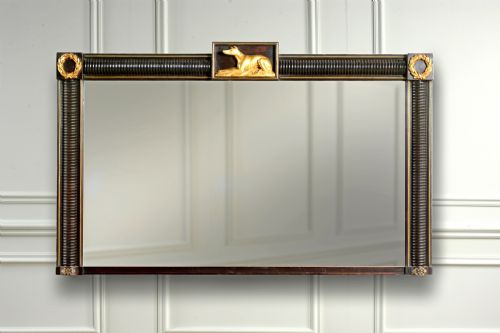
- Overmantel mirror
- A large decorative looking glass designed to hang specifically above a fireplace mantel. They often feature elaborate framing and extended proportions.
- Gilt
- A thin layer of gold leaf applied to surface details or frames. It creates decorative highlights against darker woods.
Ebonised Framed Landscape: Frequently Asked Questions
What is an ebonised frame?
An ebonised frame is timber stained or painted black to imitate ebony wood. This dark finish provides a strong contrast that draws the eye toward the landscape within.
Craftsmen used this technique across multiple centuries to give ordinary woods a formal, luxurious appearance.
How do I date an ebonised landscape?
Dating relies on examining the construction of the frame, the backing materials, and the style of the painting or print. Georgian and Victorian pieces show distinct framing profiles and mounting techniques compared to later twentieth-century examples.
The medium itself, such as oil on wood versus modern canvas, also indicates the period of creation.
Where should I hang these landscapes?
These pieces suit rooms that benefit from strong focal points, such as living spaces, hallways or above mantelpieces. The dark frame works well against neutral or richly coloured walls.
Protect them from direct sunlight to preserve watercolours, oils and paper prints over time.
Are these landscapes painted on canvas?
The listings include works created across various supports including canvas, wood panels, paper and enamel. Oil on canvas and oil on wood are common formats for these scenes.
Watercolours and prints on paper also appear frequently within ebonised surrounds.