

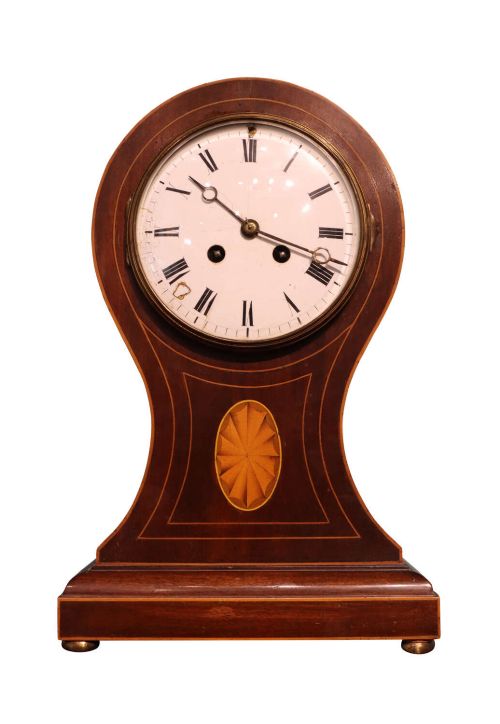
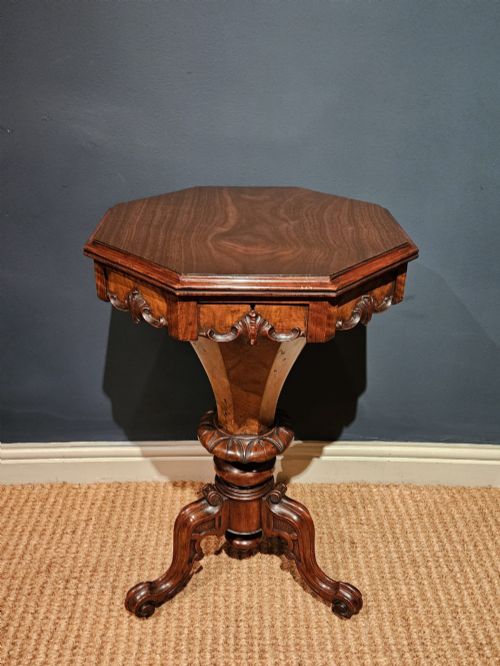
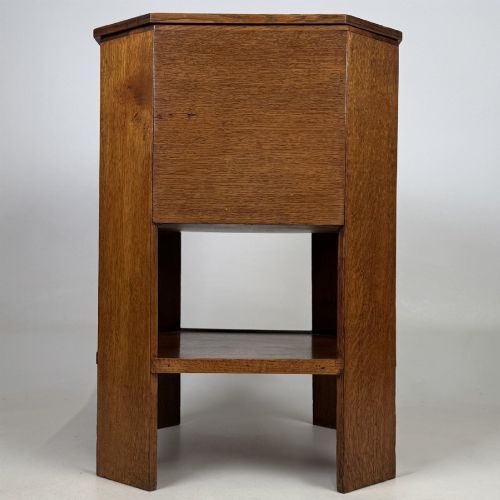
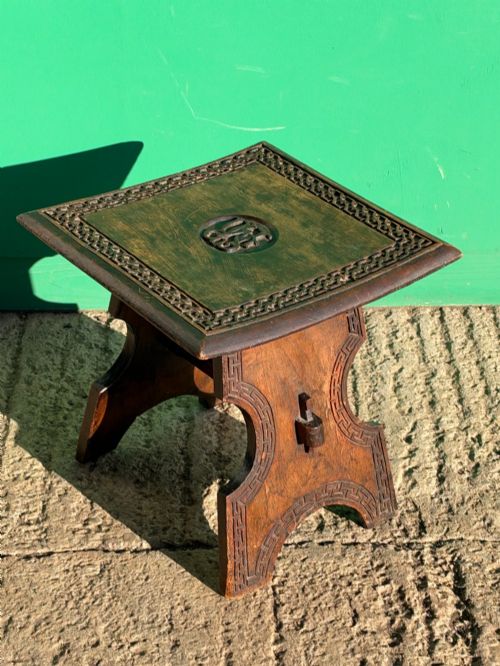

Early Wooden Table
An early wooden table brings centuries of functional craftsmanship into a room, offering sturdy timber surfaces shaped by daily domestic use.
Early Wooden Table
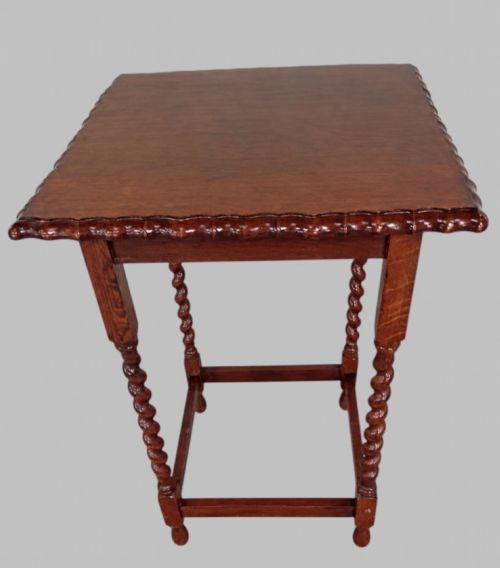
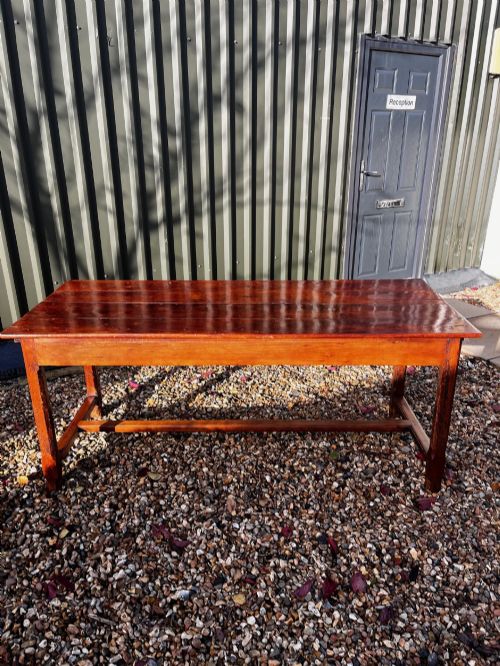
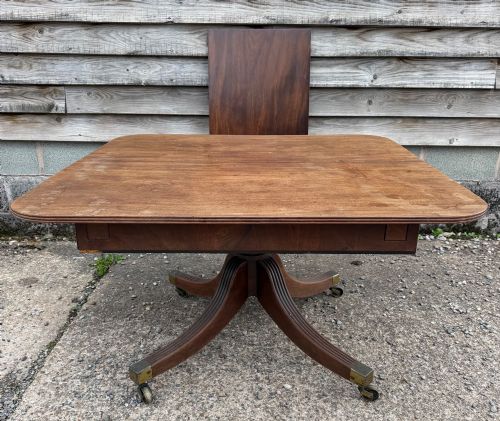
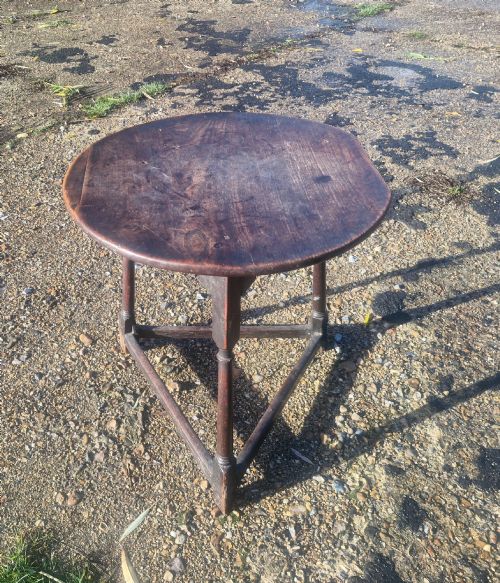
When searching for an early wooden table, buyers encounter a diverse selection spanning from the eighteenth century through to the early twentieth century. The inventory on this page ranges from robust refectory and farmhouse dining boards to compact side tables, lowboys, and occasional pieces designed for specific household tasks.
Materials represented across these pieces include oak, mahogany, pine, fruitwood, walnut, and elm, reflecting the regional timber availability of their respective periods. Stylistic influences vary from plain Georgian and rustic vernacular designs to Arts and Crafts pieces and Edwardian furnishings.
Most examples originate from British workshops, though French provincial items and other international pieces also appear. The forms serve various functions, encompassing work tables, drop-leaf pembroke tables, and gateleg designs.
Materials and Construction
Cabinet makers and vernacular joiners utilised solid hardwoods and softwoods such as oak, mahogany, and pine, selecting timber based on structural demands and regional availability. Traditional joints including mortise and tenon secure the frames of refectory and tavern tables, ensuring long-term durability under heavy daily use.
Surfaces finished by hand display tool marks, peg construction, and natural grain patterns developed over decades of polishing and domestic wear. Secondary timbers often support primary show woods in drawers and internal framing, adhering to period woodworking practices.
Early Wooden Table Retail Price Guide 2026
Typical asking prices for early wooden table among the pieces listed under this phrase on Sellingantiques today, from the lower quarter to the upper quarter. They describe what is for sale here now, not the wider market.
Listings feature timbers including oak, mahogany, pine, fruitwood, walnut, and elm across periods from the eighteenth to the early twentieth century.
Variations in Quality
Quality in these pieces is dictated by the selection of timber, the integrity of the original construction, and the preservation of surface texture and patina. Superior examples retain their original structural timber without extensive replacement parts, whereas lesser pieces may exhibit heavy later alterations or mismatched repairs.
The sophistication of the joinery and the refinement of leg turnings or edge mouldings separate utilitarian workshop pieces from finely commissioned cabinet work. Natural wear that enhances the appearance without compromising stability distinguishes better-preserved examples from those with over-restored surfaces.
Gillows and Co·Finnigans·Walker and Hall
The Early Wooden Table Glossary
- Refectory table
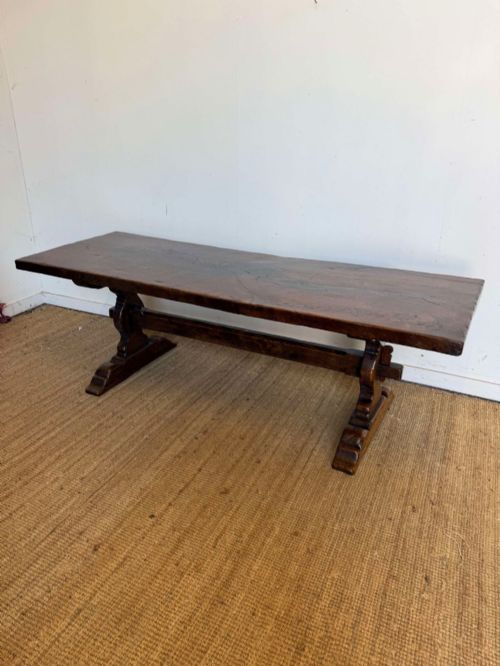
- A long, narrow dining table traditionally used in communal dining halls. These pieces typically feature heavy timber legs connected by floor-level stretchers for added stability.
- Lowboy
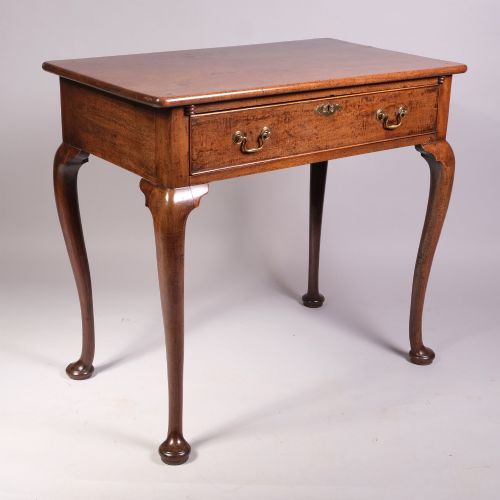
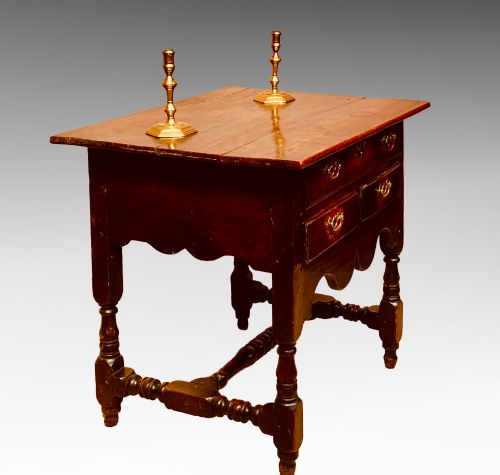
- A small eighteenth-century dressing or side table featuring one or more drawers beneath a flat top. They are typically raised on slender cabriole or straight legs.
- Joint stool
- A sturdy wooden stool constructed using mortise and tenon joinery rather than turned legs inserted into a seat. They date primarily from the seventeenth and eighteenth centuries.
- Drop-leaf table
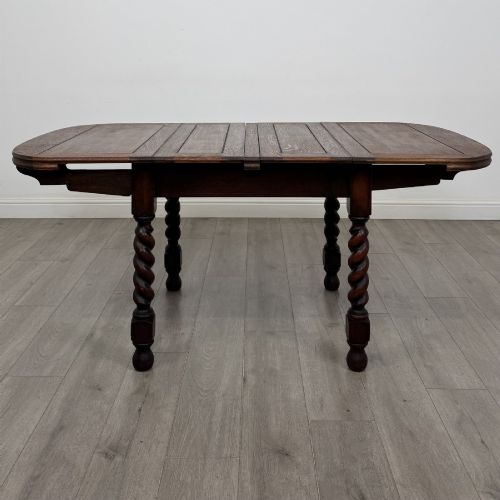
- A table with a fixed central section and hinged flaps on either side that fold down. These leaves are supported by swing legs or brackets when raised.
- Patina
- The surface sheen and colour acquired by wood through age, handling, and regular waxing. This quality is valued by collectors for evidencing genuine age.
Early Wooden Table: Frequently Asked Questions
What defines an early wooden table?
These tables are older domestic or utilitarian pieces constructed primarily from timber such as oak, mahogany, pine, or fruitwood. They span periods from the eighteenth century into the early twentieth century.
Such pieces were built for practical functions including dining, food preparation, or writing, utilising traditional joinery methods common to their specific eras.
How were these tables used originally?
Many served as central furniture for dining, kitchen work, or tavern service, enduring heavy daily demands. Smaller versions functioned as side tables, lowboys, or work desks in domestic settings.
Their robust construction allowed them to withstand continuous use across generations before entering the antique market.
How do I live with an antique wooden table?
Living with these pieces involves placing them away from direct heat sources and sudden humidity changes to protect the historic timber. Regular dusting and occasional waxing help maintain the dry finish and existing surface character.
Treating the surface with care ensures the timber continues to age naturally in a modern home.