


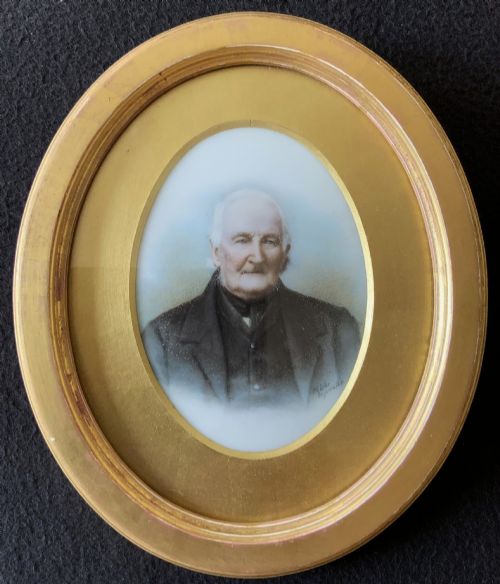
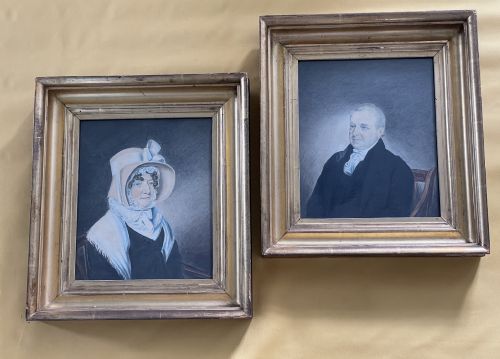

Early Watercolour Portrait
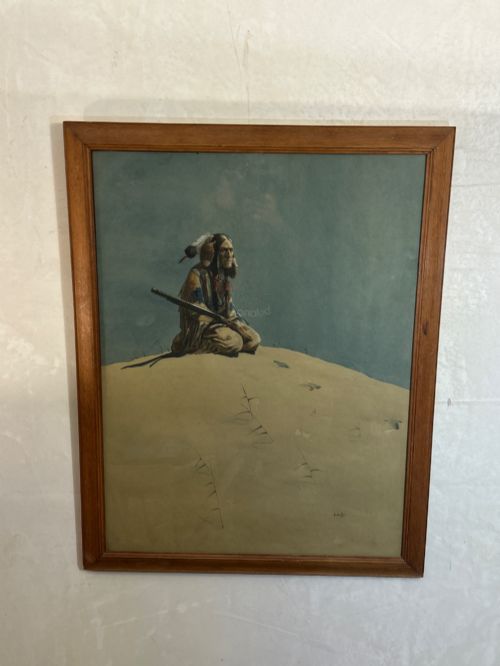
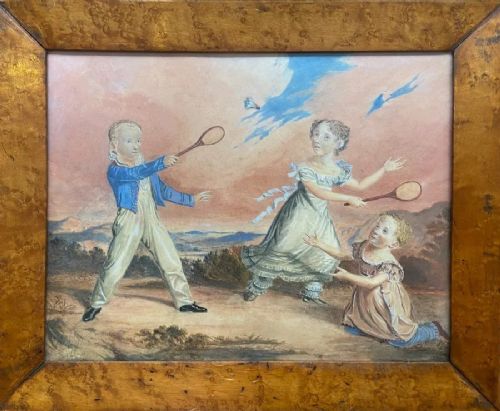
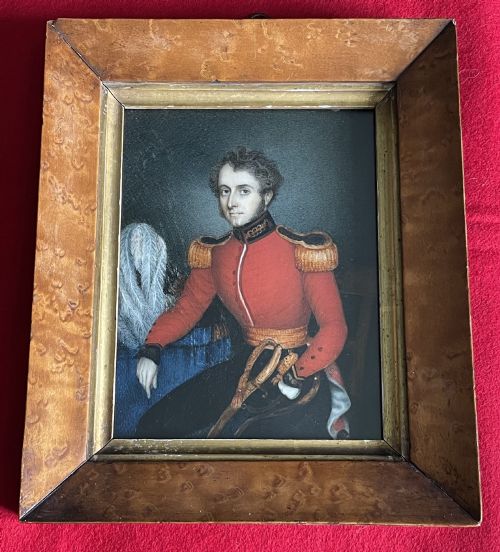
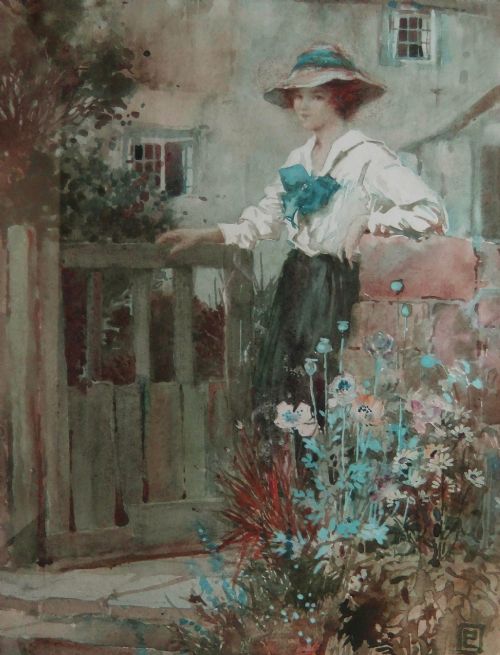
An early watercolour portrait captures a distinct individual through fluid washes on paper, offering an intimate glimpse into past lives.
Early Watercolour Portrait
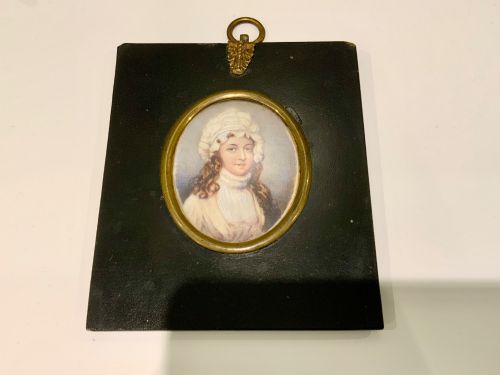
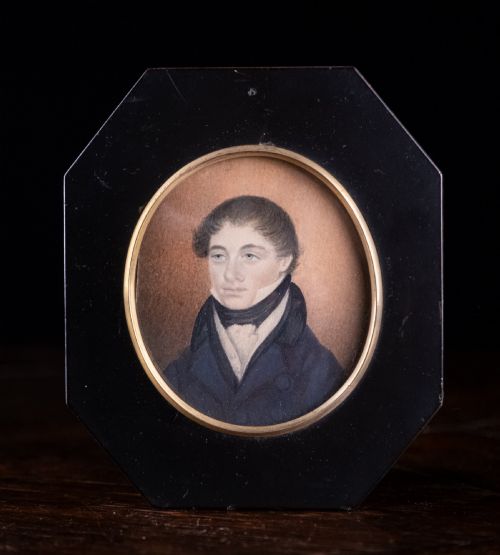
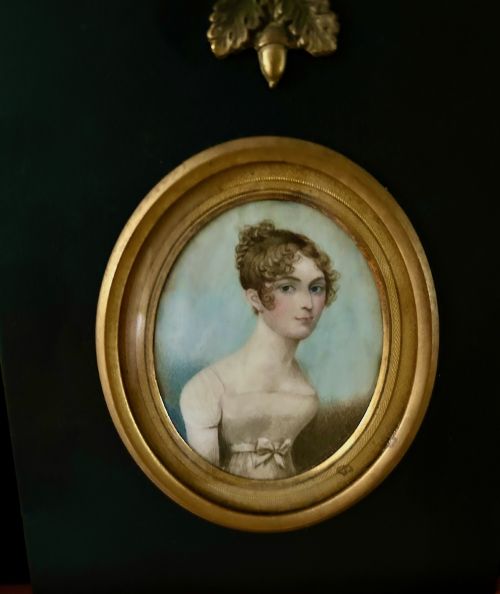
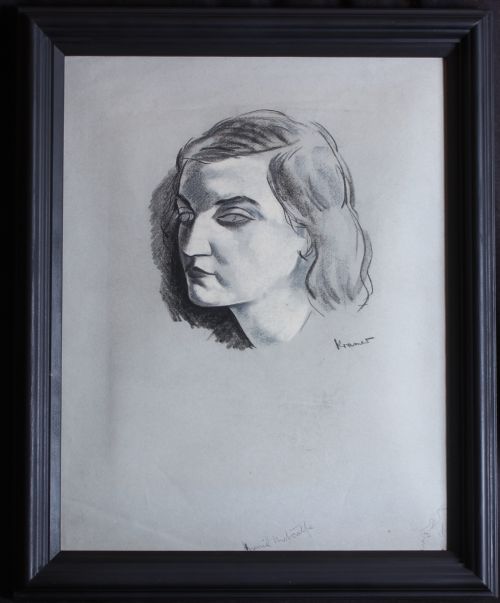
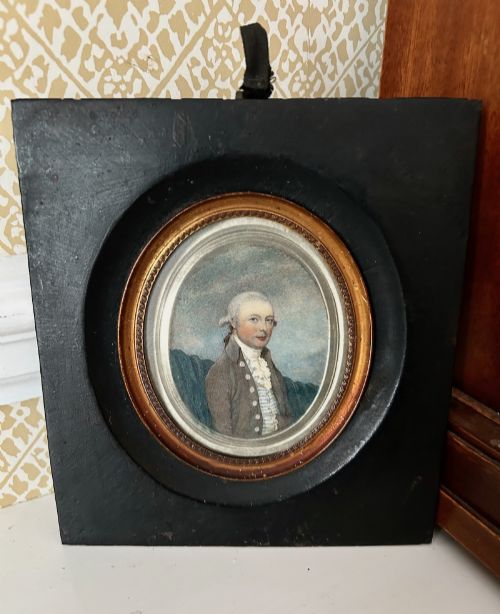
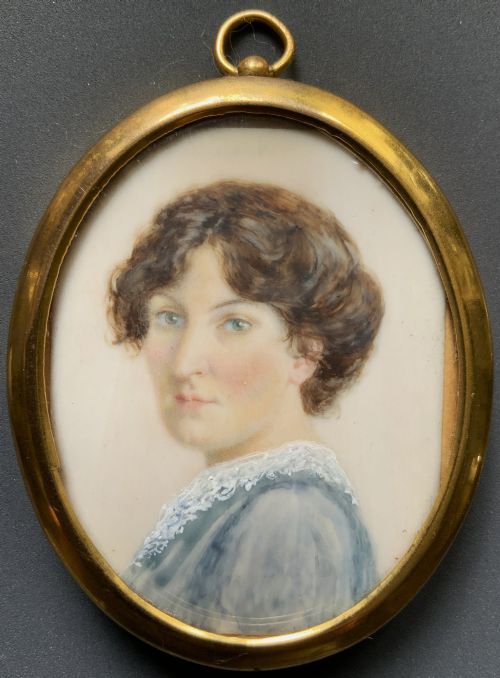
An early watercolour portrait represents a painted likeness executed on paper, card, or ivory, ranging from miniature format to larger framed works. When seeking an early watercolour portrait, collectors encounter examples spanning the Georgian, Regency, and Victorian eras, alongside Edwardian and later twentieth-century interpretations.
Materials and Technique
Finished works relied on protective framing to prevent moisture and light damage, utilising glass glazing alongside wooden surrounds such as ebonised or maple frames, sometimes accented with gold leaf.
Early Watercolour Portrait Retail Price Guide 2026
Typical asking prices for early watercolour portrait among the pieces listed under this phrase on Sellingantiques today, from the lower quarter to the upper quarter. They describe what is for sale here now, not the wider market.
Listings feature works spanning the eighteenth to the twentieth centuries, utilising paper, ivory, card, and glass.
Distinguishing Quality
Preservation of the delicate pigments also dictates standing, as exposure to light causes fading in watercolours. Original matching frames and documented provenance or legible signatures enhance the historical integrity of the piece.
Frederick Buck·William James Hubard·John Hassall·Emma Kendrick·Karl Feiertag
The Early Watercolour Portrait Glossary
- Watercolour
- A painting method where natural pigments are suspended in a water-based solution and applied to paper or card. This medium allows for translucent washes and delicate layering.
- Portrait Miniature
- A small-scale painted likeness, typically executed during the eighteenth and nineteenth centuries. These intimate works were often housed in protective cases or worn as lockets.
- Ebonised Wood
- Timber treated with a chemical stain or finish to imitate ebony. This dark, polished framing material was common in the nineteenth century for contrasting with pale paper works.
- Gouache
- An opaque water-based paint composed of pigment and a binding agent, often combined with transparent watercolour in early portraits to add highlights.
- Silhouette
- A two-dimensional profile portrait cut from black paper or painted in solid dark tones, occasionally enhanced with watercolour details.
Early Watercolour Portrait: Frequently Asked Questions
How should I display an early watercolour portrait?
Keep these works away from direct sunlight to prevent the watercolour pigments from fading over time. Hanging them in a stable environment with moderate humidity protects the delicate paper and original frame.
Ensure the glass is properly sealed to prevent dust accumulation on the surface of the painting. Professional framing using acid-free materials safeguards the longevity of antique paper.
Were these portraits painted as pairs?
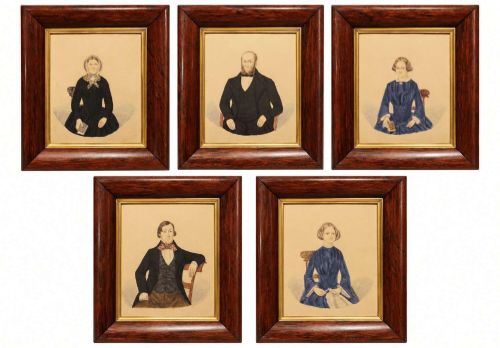
Artists frequently created companion pieces depicting married couples, family members, or military figures. These pairs share similar dimensions, framing styles, and artistic techniques.
Finding surviving pairs offers a cohesive narrative for display. They provide a direct comparison of contemporary costume and portraiture conventions.
What is the difference between a miniature and a standard portrait?
Portrait miniatures were typically painted on ivory, vellum, or small cards designed for intimate viewing or travel. Standard watercolours were larger and intended for wall display in domestic interiors.
Miniatures required specialised magnification and fine brushes to achieve intricate detail. Larger watercolours allowed for broader washes and more elaborate background settings.
How can I tell the period of a portrait?
Clothing styles, hairstyles, and framing materials provide the clearest chronological indicators. High collars, wigs, and specific bonnet shapes align with Georgian, Regency, or Victorian fashions.
Inscribed dates on the reverse or signatures matching historical records offer precise dating. The choice of frame, such as maple or ebonised wood, also reflects prevailing taste.