



Early Victorian Dresser
An early victorian dresser brings honest utility and warmth to a room, offering practical storage built in sturdy pine or oak.
Early Victorian Dresser
An early victorian dresser is a substantial piece of domestic furniture designed for storage and display in kitchen, hall, or dining spaces. When buyers search for an early victorian dresser, they encounter practical pine base units, painted finishes, and combinations of cupboards and drawers.
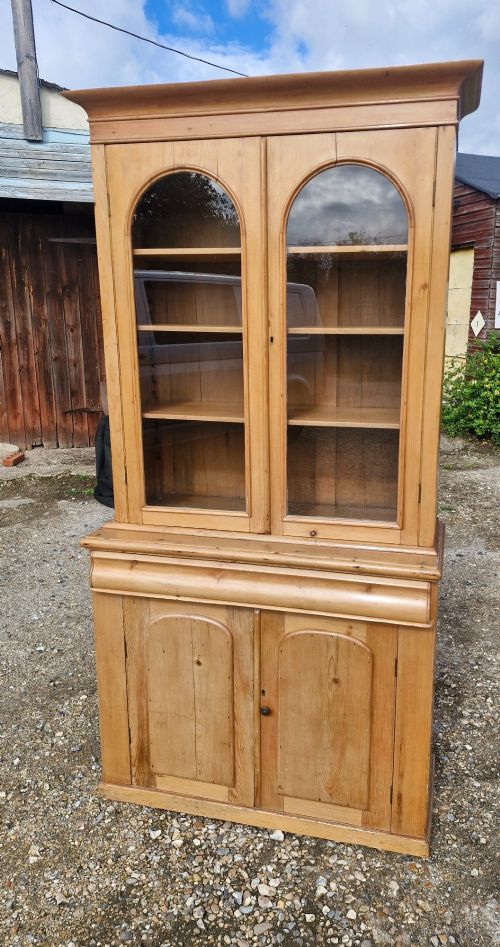
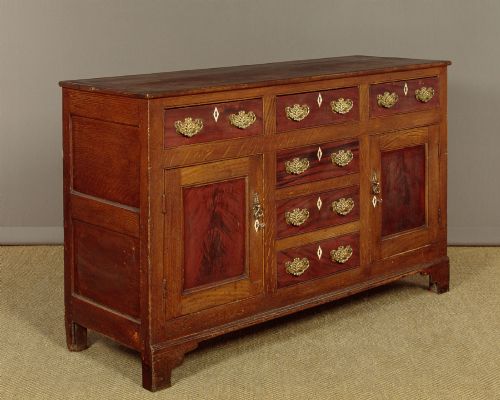
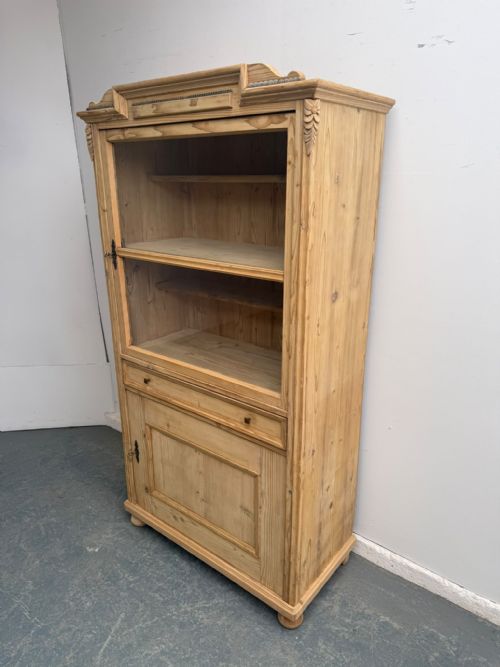
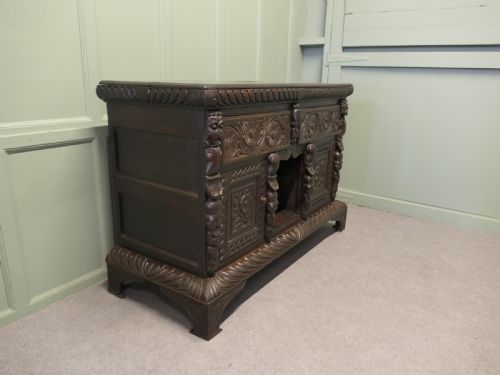
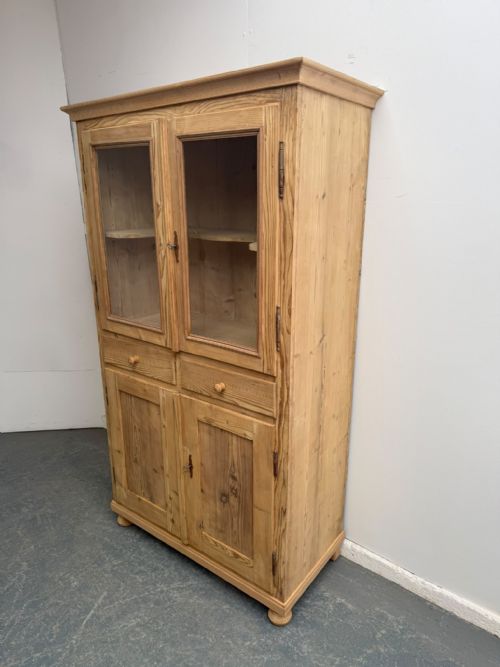
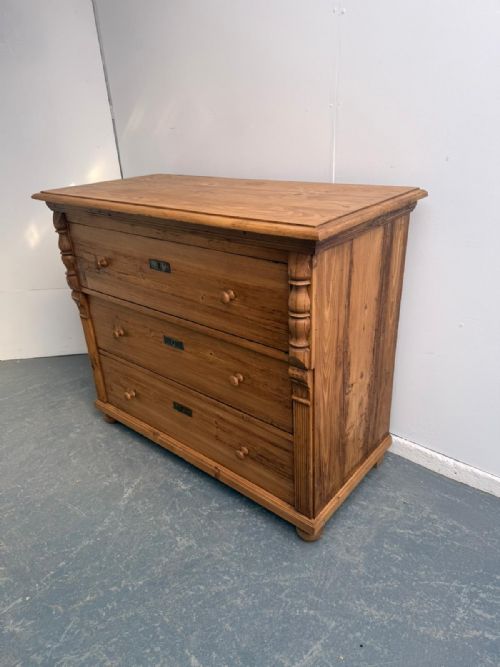
The pieces appearing on this page span the Victorian era, alongside earlier Georgian and Regency influences, reflecting the domestic habits of the nineteenth century. Forms range from low dresser bases and housekeeper cupboards to tall kitchen bookcase cabinets with glazed doors.
Pine and oak predominate in these examples, often finished with traditional wax or historic paint. Buyers meet both straightforward functional utility and pieces showing regional vernacular character.
Materials and construction
Carpenters relied primarily on solid pine and oak for these cupboards, dressers, and drawer chests. Timber selection determined whether a piece received a clear wax finish or a painted coat.
Hardware such as brass handles and iron fittings added functional detail to doors and drawers. Glazing bars in display cabinets and bookcases required precise joinery to support glass panels securely.
Early Victorian Dresser Retail Price Guide 2026
Typical asking prices for early victorian dresser among the pieces listed under this phrase on Sellingantiques today, from the lower quarter to the upper quarter. They describe what is for sale here now, not the wider market.
Listings feature pine, oak, and mahogany alongside glass, brass, and iron across Victorian, Georgian, and Regency styles.
Judging quality and proportion
Proportion and timber selection govern the merit of each cabinet or dresser base. Heavier pine boards and well-balanced drawer arrangements separate utilitarian work from finer domestic furniture.
Surface preservation matters greatly, distinguishing pieces with honest, untouched painted or waxed patinas from those altered over time.
The Early Victorian Dresser Glossary
- Dresser base
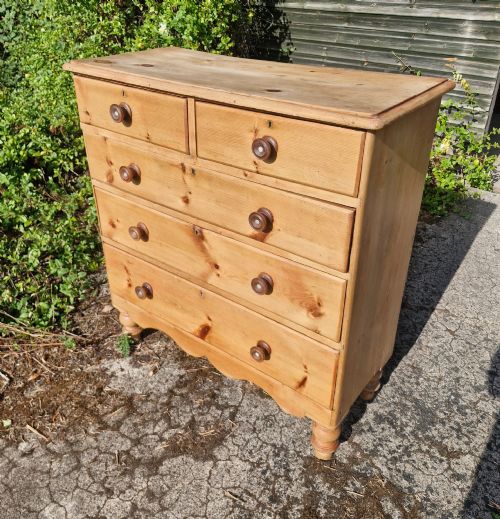
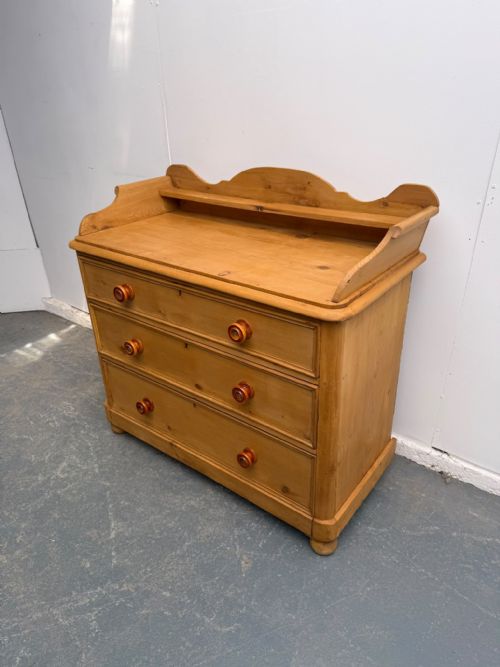
- A low cabinet featuring drawers and cupboards, originally used in kitchens for food preparation and storage. It provides a flat top surface and accessible lower storage.
- Housekeeper cupboard
- A tall, large storage unit with multiple doors, designed for linen, dry goods, and household supplies. These pieces dominated large nineteenth-century domestic service areas.
- Glazed display cabinet
- A cabinet featuring glass panes in the doors to showcase books or china. The framing timber holds the glass securely while providing visual transparency.
- Chiffonier sideboard
- A compact sideboard equipped with lower cupboards and sometimes a small upper shelf. This form developed during the Regency and early Victorian periods for dining rooms.
- Patina
- The surface texture and coloration developed by wood and paint through age and use. Natural wax finishes accumulate this depth over decades of domestic interaction.
Early Victorian Dresser: Frequently Asked Questions
What is an early victorian dresser?
An early victorian dresser is a nineteenth-century storage unit built mainly from pine or oak, combining drawer space and cupboard storage for kitchen or dining use.
These pieces reflect the practical domestic requirements of homes during the period, utilising local timbers and straightforward joinery.
How were these dressers used?
Households used these units to store crockery, dry goods, and utensils while utilising the flat top surface for food preparation or serving.
Tall variations with shelving or glazed cabinets also allowed families to display ceramics and books securely in living spaces.
Where should I place a dresser?
These dressers suit kitchens, dining rooms, and wide hallways where their storage capacity and timber surfaces add utility and character.
Ensure adequate wall clearance and consider the depth of open doors and drawers before positioning the piece in smaller rooms.
How do I care for waxed pine?
Maintain waxed pine surfaces by applying natural beeswax periodically and buffing gently with a soft cloth to preserve the finish.
Keep wooden furniture away from direct heat sources and strong sunlight to prevent timber shrinkage and surface drying.
How do I identify this period?
Look for construction traits such as hand-cut dovetails in drawers, solid pine or oak timber construction, and traditional iron or brass hardware.
Stylistic markers often blend late Georgian restraint with early Victorian utility, showing straightforward forms without heavy later ornamentation.