

Early Portrait Art
Early portrait art captures the likeness of past centuries through oil on canvas, delicate miniatures and paper silhouettes.
Early Portrait Art
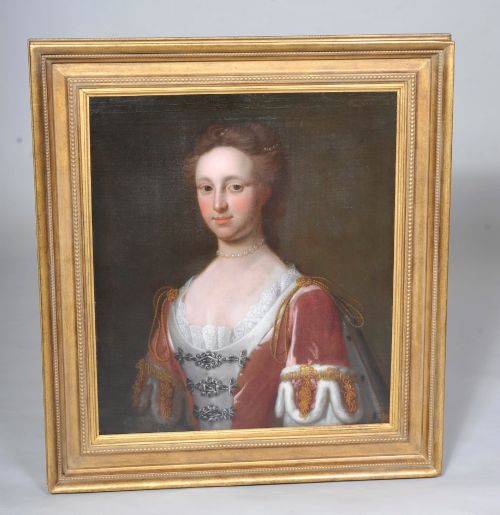
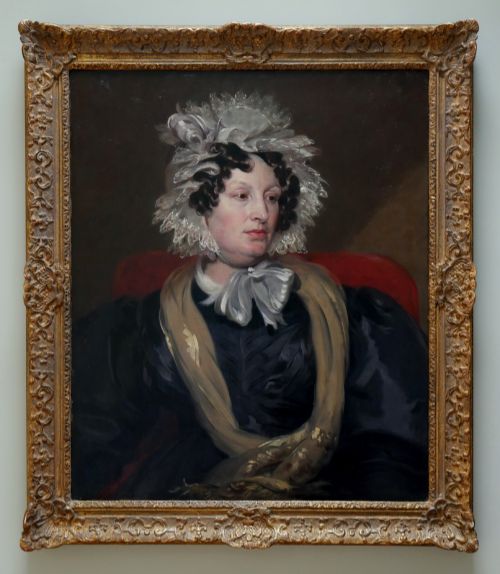
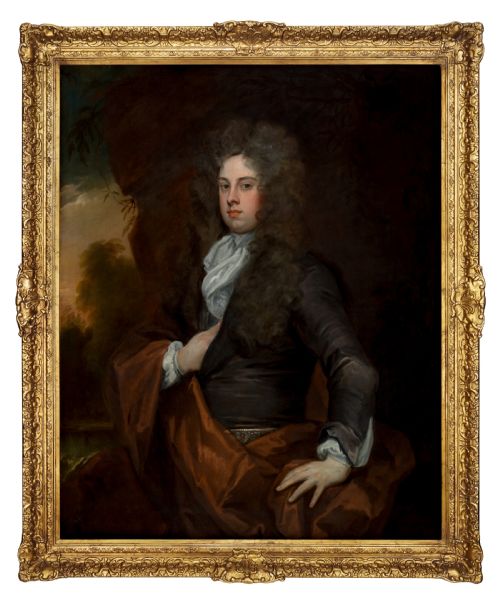
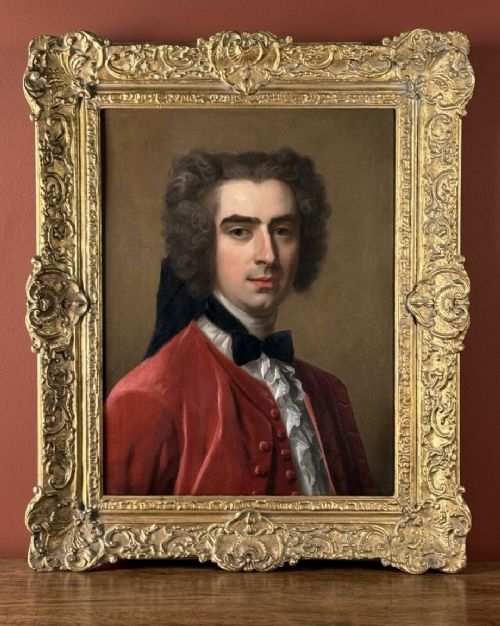
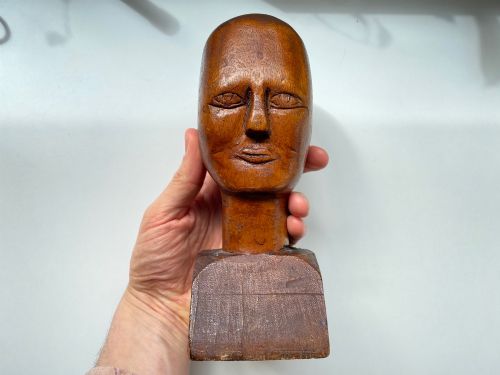
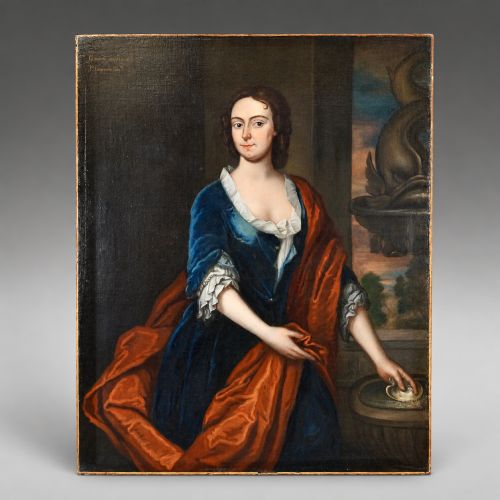
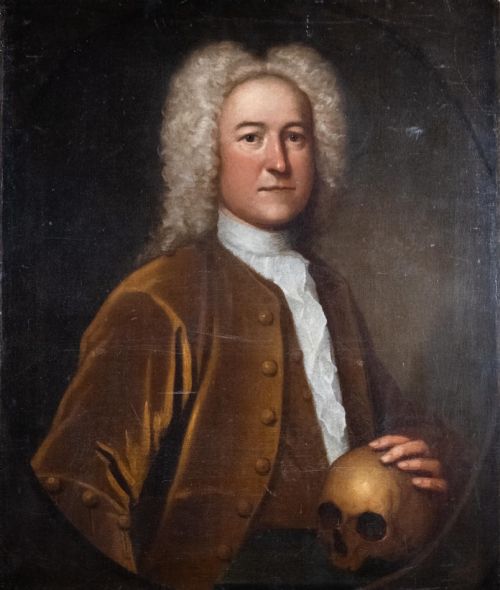
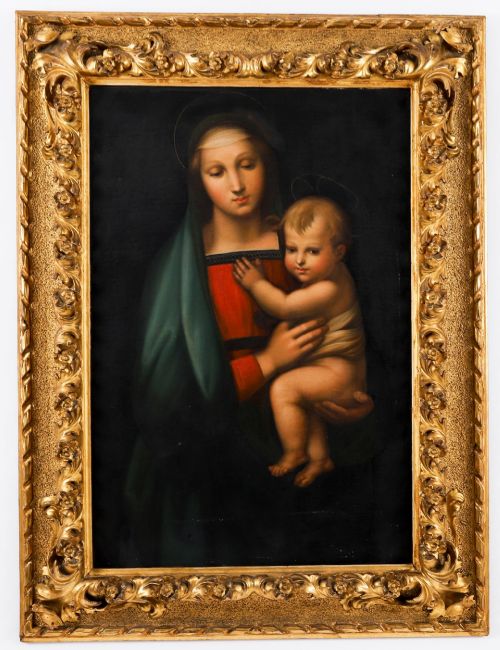
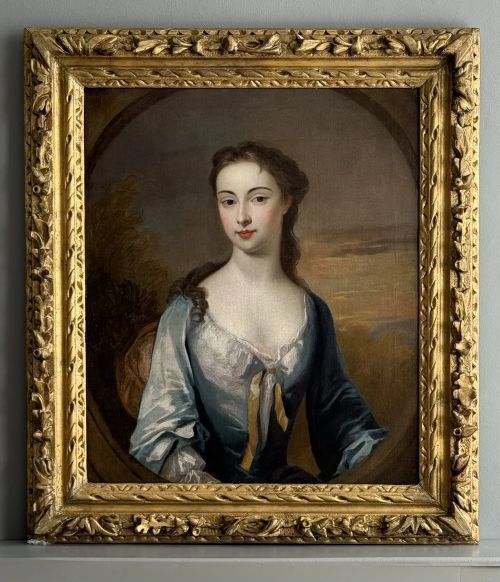
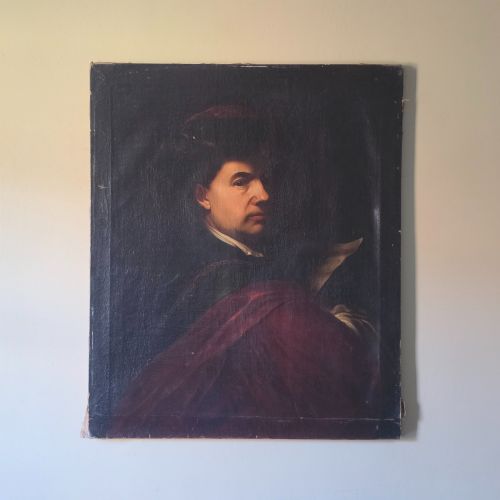
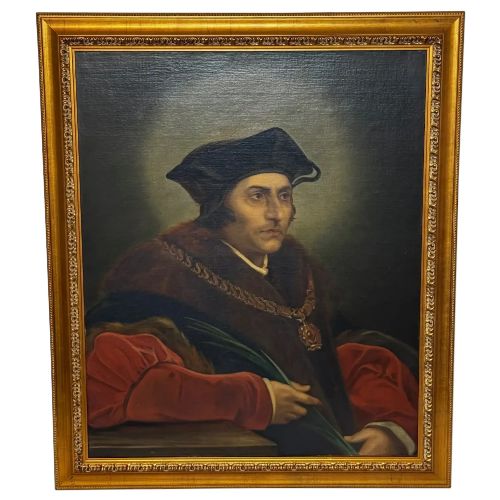
Early portrait art comprises painted canvases, watercolours, and portrait miniatures depicting identifiable sitters from previous centuries. These works span periods from the sixteenth century through the Georgian and Edwardian eras, capturing aristocratic figures, gentlemen, and ladies.
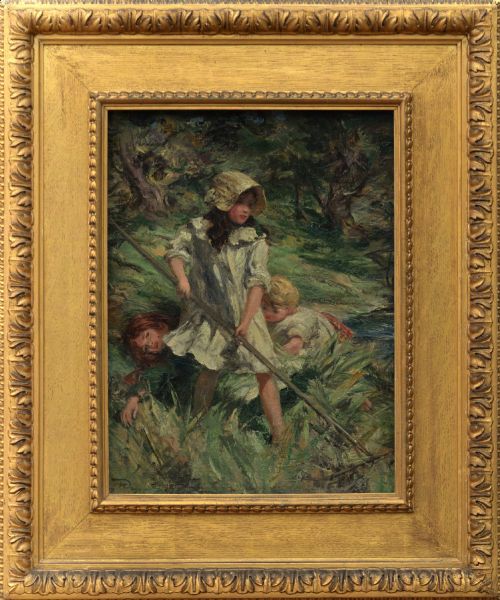
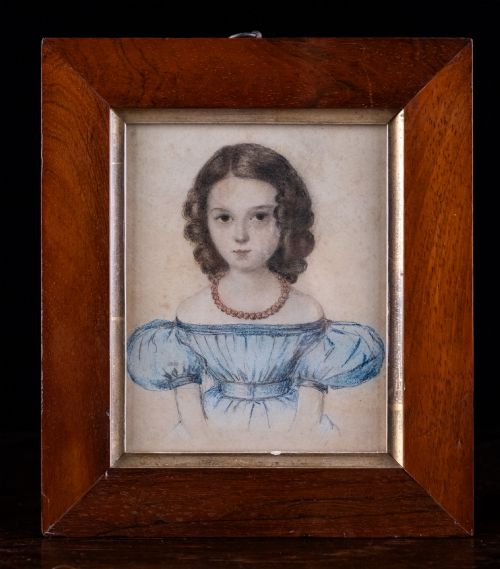
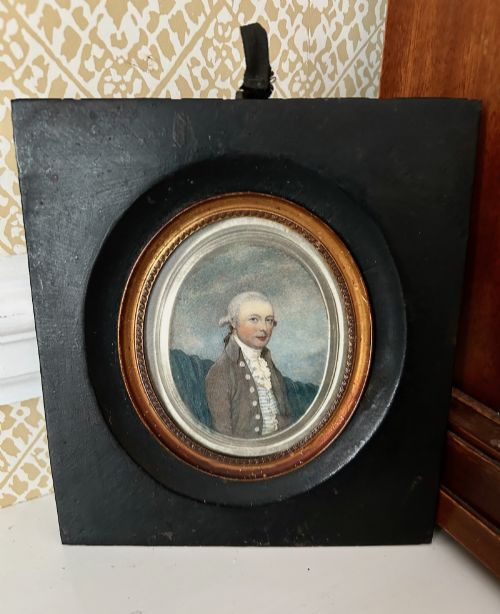
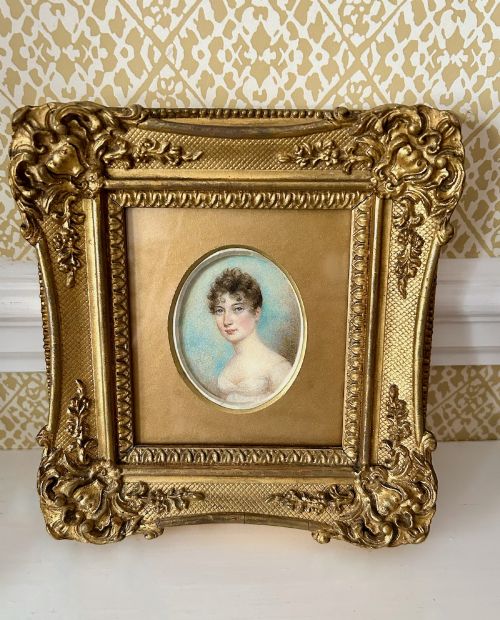
The most common examples on this page are eighteenth-century oil paintings on canvas and nineteenth-century portrait miniatures. Buyers encounter framed artworks ranging from large-scale oil portraits to intimate watercolour studies on paper.
Subjects include nobility, military officers, and artists, often rendered by regional European schools or named painters following established classical manners.
Materials and techniques
Watercolour and ink on paper or card served for smaller portrait miniatures, sometimes enhanced with gold leaf highlights. Cut paper silhouettes combined precise snipping with watercolour details to produce portable likenesses.
Early Portrait Art Retail Price Guide 2026
Typical asking prices for early portrait art among the pieces listed under this phrase on Sellingantiques today, from the lower quarter to the upper quarter. They describe what is for sale here now, not the wider market.
Listings feature oil on canvas, paper, glass, and wood, spanning from the seventeenth century through to the Edwardian era.
Distinctions in quality
The skill of the brushwork and the precision of facial anatomy separate accomplished portraits from simpler studio output. Master painters captured light across fabric and skin with subtlety, whereas lesser hands produced rigid, formulaic depictions.
Original framing and the preservation of the paint surface or paper support influence the visual impact. Works retaining their untouched nineteenth-century or period gilded frames demonstrate higher integrity than those with later replacements.
Charles Jervas·Michael Dahl·Thomas Murray·Frederick Buck·William James Hubard·John Smith·Augustus John
The Early Portrait Art Glossary
- Portrait miniature
- A small, highly detailed painting executed on ivory, vellum, or paper, popular from the sixteenth century onwards. These intimate items were often worn as pendants or kept in protective cases.
- Mezzotint
- A printmaking process where the copper plate is roughened to achieve dark backgrounds and rich tonal gradations. It was frequently used to reproduce oil paintings of prominent figures.
- Giltwood
- Wood that has been coated with a thin layer of gold leaf or gold paint. It defines the ornate frames commonly found on eighteenth and nineteenth-century canvases.
- Silhouette
- A two-dimensional profile portrait cut from dark paper or painted onto a pale background. Gilded highlights were sometimes added to emphasise clothing and hair details.
- Old Master
- A term for a European artist of high skill working before about eighteen hundred. These paintings often show deep resinous glazes and aged crackleure across the canvas.
Early Portrait Art: Frequently Asked Questions
How do I date an early portrait?
Dating relies on the style of costume, hair, and framing materials visible in the artwork. Written inscriptions on the reverse or stretcher bars often provide specific years or sitter identifications.
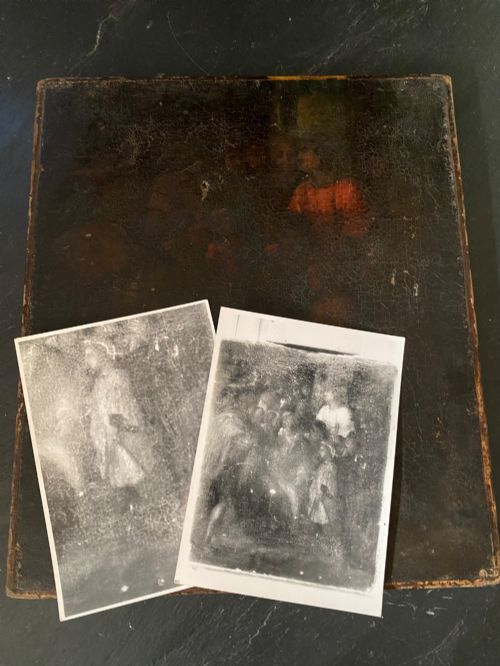
Technological analysis such as infrared scans can also reveal underdrawing styles or canvas origins that confirm a period.
Where were portrait miniatures kept?
Portrait miniatures were designed to be portable, often housed in small leather cases or worn as personal lockets against the body. Wealthy patrons carried likenesses of family members or monarchs during travel.
They were displayed on dressing tables or stored in specialised collector cabinets rather than hung on walls.
What is the difference between oil and watercolour portraits?
Oil paintings on canvas offered permanence and scale, making them suitable for large reception rooms and grand residences. Artists layered pigments to capture complex textures in clothing and heavy drapery.
Watercolour portraits and miniatures on paper provided a more intimate, portable medium suited to private spaces and rapid execution.
How should I care for antique paper silhouettes?
Paper silhouettes and watercolours require protection from direct sunlight to prevent fading of the delicate pigments and paper browning. They should be kept in stable environments away from high humidity.
Glazing with conservation-grade glass helps shield the paper surface from airborne pollutants and physical damage.