

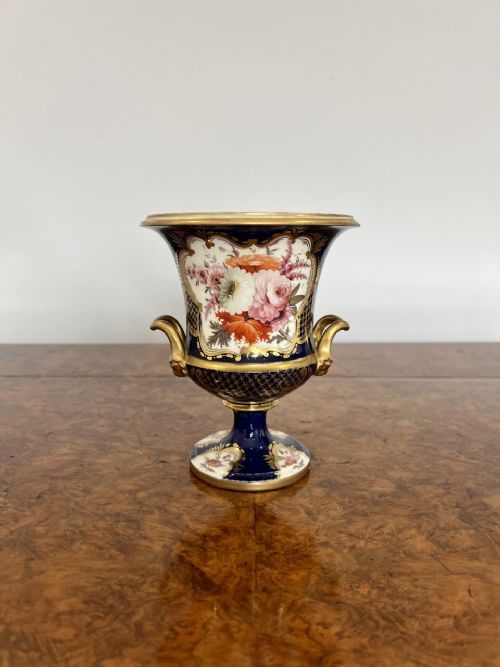


Early Porcelain Vessels
Early porcelain vessels bring remarkable ceramic history to your home, showcasing centuries of refined kiln artistry from Asia and Europe.
Early Porcelain Vessels
Early porcelain vessels encompass a diverse range of forms, from scholar's brush pots to trumpet vases and teapots. When exploring early porcelain vessels, you will frequently encounter blue and white pieces originating from Chinese dynasties and Japanese kilns. These items represent centuries of domestic utility and scholarly pursuits.
The selection ranges from sixteenth-century Vietnamese covered boxes to eighteenth-century Chinese Export famille rose teapots and nineteenth-century Spode productions. Each object reflects the distinct aesthetic preferences and technological capabilities of its period of manufacture.
Materials and Techniques
Makers utilised fine porcelain clay bodies, frequently decorating the surfaces with cobalt underglaze pigments before applying a clear protective glaze. Kiln workers mastered high-temperature firing to achieve durable, vitrified ceramic bodies.
Some examples incorporate enamel colours and gold leaf applied over the glaze, adding rich polychrome detail to the finished form. Potters shaped these pieces by hand or on the wheel, depending on the vessel type and workshop traditions.
Early Porcelain Vessels Retail Price Guide 2026
Typical asking prices for early porcelain vessels among the pieces listed under this phrase on Sellingantiques today, from the lower quarter to the upper quarter. They describe what is for sale here now, not the wider market.
The listings feature porcelain pieces spanning the sixteenth century to the early twentieth century, incorporating blue and white, enamel, and gold leaf materials.
Assessing Quality and Execution
The precision of the painted decoration dictates much of the visual appeal, separating hastily produced wares from those executed by master hands. Cobalt underglaze application ranges from fluid, confident brushwork to rigid, mechanical outlining.
Surface preservation and glaze consistency also distinguish finer examples from standard production pieces. The purity of the porcelain body and the absence of major firing distortions mark the superior creations.
The Early Porcelain Vessels Glossary
- Bitong
- A cylindrical brush pot utilised by scholars in East Asia for holding writing brushes. These vessels are frequently decorated with cobalt underglaze scenes.
- Underglaze
- A decoration applied to the ceramic body before the glaze is added and the piece is fired. This technique protects the pigment beneath a glassy surface layer.
- Famille Rose
- A palette of opaque enamel colours introduced in Chinese ceramics during the eighteenth century, dominated by pink and rose shades. It allowed for delicate, painterly floral and figural compositions.
- Gu
- An archaic ritual bronze vessel shape adapted by later porcelain makers into trumpet-shaped beaker vases. These pieces maintain a flared rim and distinct central bulb.
- Imari
- A style of Japanese porcelain featuring underglaze blue combined with iron red and gold highlights. These colourful wares were widely exported to Europe.
Early Porcelain Vessels: Frequently Asked Questions
What is a bitong?
A bitong is a cylindrical brush pot traditionally used by scholars to organise writing implements on a desk. These ceramic vessels provide a flat canvas for detailed blue and white landscapes or figural scenes.
They sit upright and stable, making them practical for modern use as pen holders or small vase containers.
How do I care for antique porcelain?
Antique porcelain requires gentle handling and should be washed by hand in lukewarm water using mild soap. Avoid placing fragile glazed pieces in dishwashers or exposing them to sudden thermal shocks.
Display them on secure, stable surfaces away from heavy household traffic to prevent accidental tipping.
What is Chinese Export porcelain?
Chinese Export porcelain refers to ceramics manufactured in China specifically for overseas markets in Europe and the West. These pieces often combined traditional Chinese shapes and painting techniques with Western decorative demands.
They document centuries of global trade and cultural exchange between Eastern potteries and foreign buyers.
How are different periods identified?
Periods are identified through a combination of potting style, pigment characteristics, glaze texture, and reign marks when present. Cobalt blue tones and brushwork styles often shift noticeably between the Ming and Qing dynasties.
Comparing known museum examples and documented kiln standards helps establish a reliable timeline for each vessel.