





Early Porcelain Vases
Early porcelain vases bring together centuries of global ceramic artistry, offering collectors painted porcelain forms spanning Japanese, Chinese, and European traditions.
Early Porcelain Vases
Early porcelain vases encompass a diverse range of forms, from trumpet vases and spill vases to large covered jars and beaker shapes. When exploring early porcelain vases on this page, collectors encounter pieces originating from Japanese, Chinese, and European workshops across multiple centuries.
The selections span significant periods including the seventeenth, eighteenth, and nineteenth centuries, alongside early twentieth-century examples. Forms range from traditional Asian blue and white vessels to British Regency spill vases and continental gilt-mounted ornamental pieces.
Materials and production methods
Potters utilised porcelain bodies finished with specialised glazes, including powder-blue, celadon, and underglaze blue. Decoration was frequently applied using hand-painted enamel colours, copper-red, and iron-red pigments.
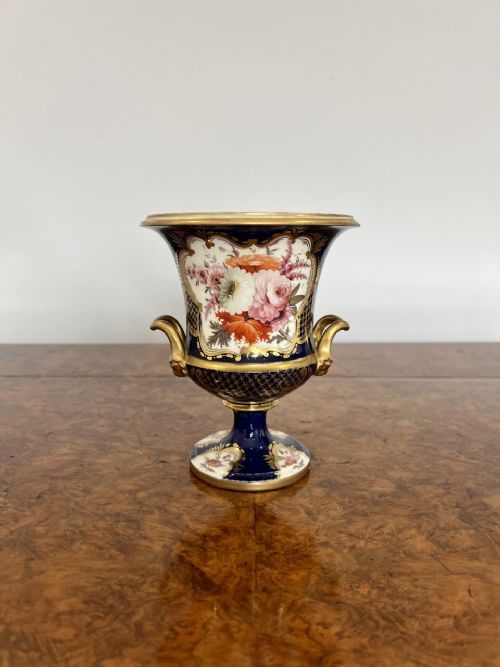
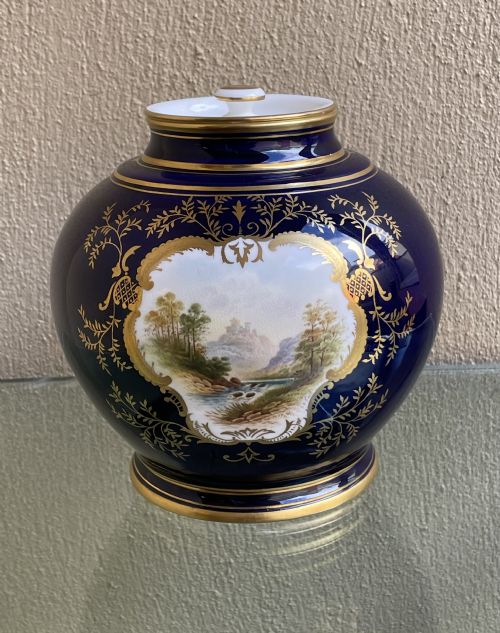
Many items incorporate additional embellishments such as gold leaf, gilding, and brass or ormolu mounts. Earthenware is also represented alongside traditional porcelain in certain continental and British pieces.
Early Porcelain Vases Retail Price Guide 2026
Typical asking prices for early porcelain vases among the pieces listed under this phrase on Sellingantiques today, from the lower quarter to the upper quarter. They describe what is for sale here now, not the wider market.
Listings feature porcelain vessels decorated in the Imari palette alongside blue and white and celadon examples.
Factors of distinction
Quality rests upon the precision of the hand-painted decoration and the depth of the glaze. Finer examples display meticulous brushwork on complex motifs such as mythical beasts, dragons, or floral patterns.
The integrity of the form and the preservation of secondary materials like ormolu mounts or original covers elevate certain specimens above standard production items.
Manpei·E O Ball·Ernst Wahliss
The Early Porcelain Vases Glossary
- Imari palette
- A traditional decorative scheme utilising underglaze blue, iron red, and gilt highlights. This style originated in Japan and heavily influenced European porcelain production.
- Spill vase
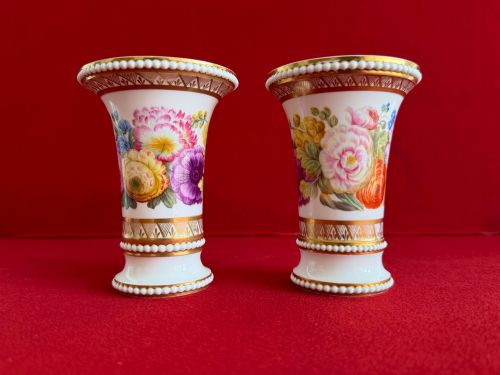
- A small cylindrical vessel designed to hold taper candles or wooden spills used for lighting fires. British factories frequently produced these in porcelain.
- Ormolu
- Gilded bronze mounts applied to ornamental porcelain vessels. This technique was popular in nineteenth-century European ateliers to enhance decorative impact.
- Celadon
- A pale green jade-like glaze achieved through iron oxide fired in a reduction kiln. It appears on Chinese porcelain vessels across various dynasties.
Early Porcelain Vases: Frequently Asked Questions
How do I identify a Japanese Imari vase?
These pieces typically display a distinct palette combining underglaze blue with rusty iron red and gold leaf highlights. The decorative patterns often feature intricate floral and geometric motifs.
Such vessels frequently date from the Edo period or later interpretations produced in the Imari style during the nineteenth and early twentieth centuries.
What distinguishes a Chinese Gu shaped vase?
A Gu shaped vase follows the classical bronze ritual vessel profile with a wide trumpet mouth, a narrow stem, and a splayed foot. Makers reproduced this silhouette in porcelain during Qing dynasties and subsequent revival periods.
Collectors prize this specific form for its sculptural symmetry and historical connection to ancient Chinese ritual bronzes.
How were nineteenth century spill vases used?
Spill vases sat on mantelpieces to hold slender wooden spills or rolled paper used to transfer fire from the hearth to candles or pipes. Factories like Spode produced these functional items in refined porcelain.
Over time, their practical use diminished, leaving them as decorative mantel ornaments prized by ceramic collectors.
What are ormolu mounts on porcelain?
Ormolu mounts consist of gilded bronze cast into decorative collars, bases, or handles attached to porcelain vases. European workshops added these metal elements to elevate the status of decorative jars.
This practice combined Asian ceramic imports with continental metalworking skills, creating elaborate garnitures for grand interiors.