

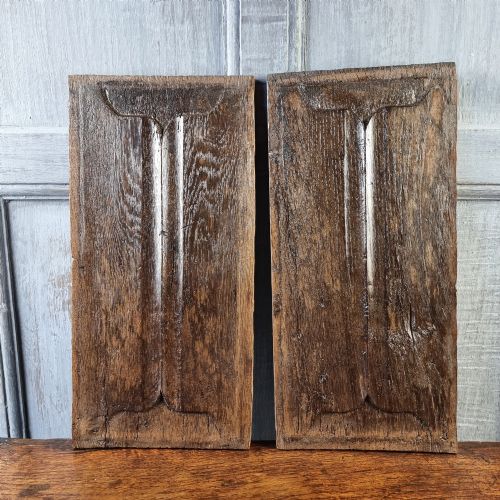


Early Oak Carvings
These early oak carvings are centuries-old architectural fragments, panels and figures that bring profound historic weight and tactile texture to any interior.
Early Oak Carvings
When you search for early oak carvings, you encounter centuries-old architectural salvage, wall panels, and figural sculptures hewn from solid timber. The material heritage spans the sixteenth and seventeenth centuries, alongside later revivals and folk art pieces.
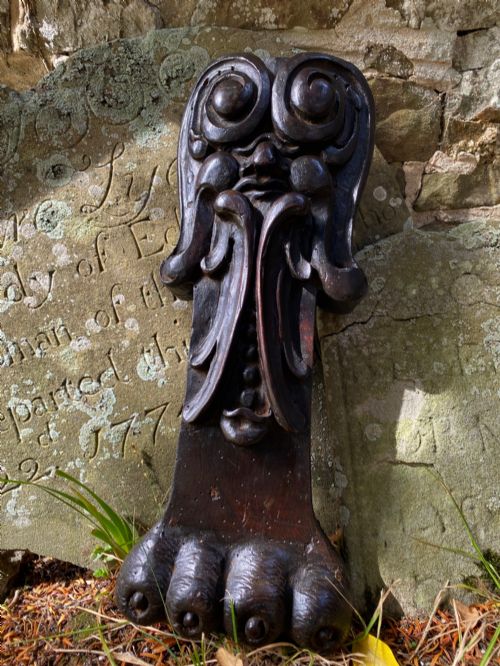
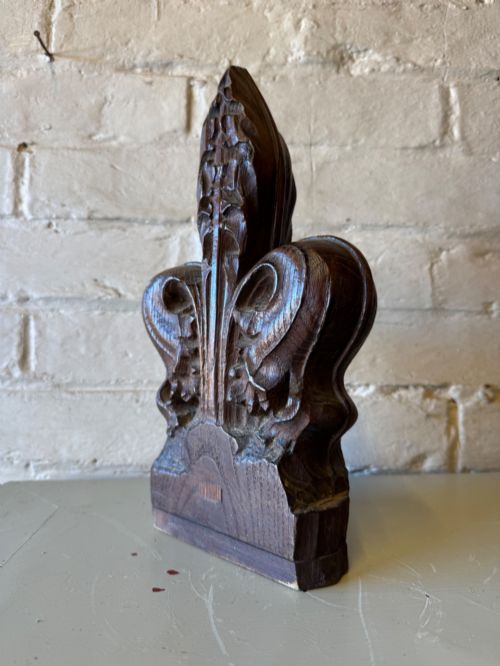
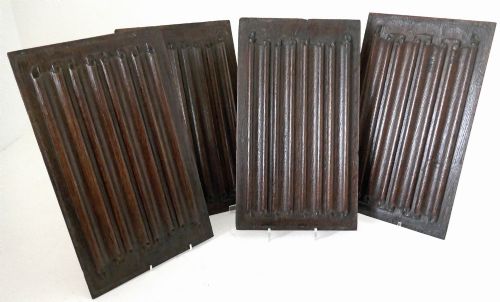
Linenfold panels and ecclesiastical figures dominate the selection, often originating from English, Flemish, and German workshops. These artefacts include poppy head finials, saints, and armorial plaques that once formed parts of larger religious or domestic structures.
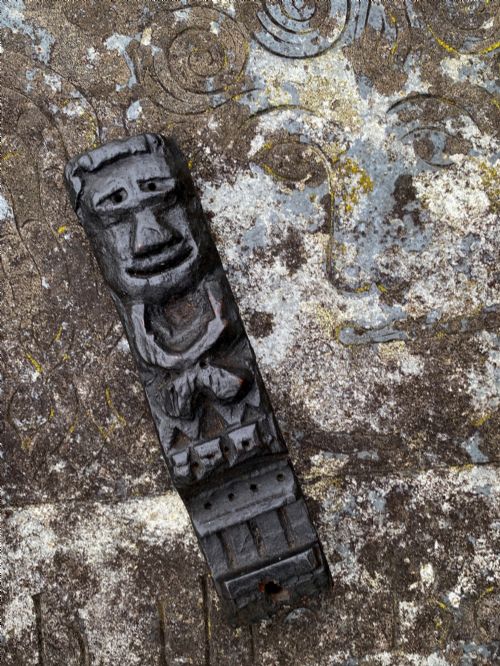
The assortment also encompasses domestic utility transformed by ornament, such as chip-carved mangle boards alongside fairground fragments. Each object preserves the hand-tooled marks of historic carpenters and carvers working in hard timbers.
How they were made
Carpenters and carvers utilised seasoned oak and dense hardwoods, shaping them primarily with adzes, chisels, and gouges. The natural grain of the timber dictated the depth of the relief and the crispness of the architectural details.
Early Oak Carvings Retail Price Guide 2026
Typical asking prices for early oak carvings among the pieces listed under this phrase on Sellingantiques today, from the lower quarter to the upper quarter. They describe what is for sale here now, not the wider market.
Materials recorded across the inventory include polychrome paint alongside solid oak, walnut, and unspecified hardwoods.
What varies in quality
Quality rests upon the depth of the relief work and the crispness with which the cutter handled the hardwood. Superior examples display confident anatomy and purposeful tool marks rather than soft, worn contours.
The proportion and balance of figural sculptures or architectural panels dictate their visual strength. Original surface patination and the survival of early polychrome pigment elevate an artefact significantly above stripped or heavily restored pieces.
Franz Keller
The Early Oak Carvings Glossary
- Linenfold
- A style of carved wooden panelling that resembles folded fabric, popular during the Tudor period. It creates rhythmic vertical shadows across interior walls.
- Poppy head
- An ornamental finial topping the end of a bench or pew, frequently carved with foliage or grotesque faces. These terminate vertical woodwork in ecclesiastical settings.
- Polychrome
- The practice of decorating architectural wood carvings and sculptures in several colours of paint. Surviving pigment adds significant historical context to early figures.
- Mangle board
- A domestic wooden board used historically with a roller to smooth linen. They often feature elaborate chip carving and dates marking marriages or commissions.
- Chip carving
- A technique where small triangles or chips of wood are removed from a flat surface to create geometric patterns. It appears frequently on domestic treen and utility boards.
Early Oak Carvings: Frequently Asked Questions
Where did these carvings originally come from?
Most of these pieces originated inside churches, abbeys, and wealthy domestic residences across England, Flanders, and Germany. They served as structural panels, pew ends, or devotional figures before being salvaged.
Over the centuries, changing architectural fashions caused these elements to be removed from their original settings. They entered the collector market as portable fragments of historic architecture.
How do I hang a heavy oak panel?
Heavy wood panels require secure mechanical fixings screwed directly into structural wall studs or masonry anchors. Weight distribution must be calculated carefully to prevent strain on the antique timber.
Professional mirror plates or custom concealed metal brackets offer stable support without damaging the edges of the carving. Avoid relying on simple picture wire for dense hardwood artefacts.
How do I clean historic carved wood?
Dust these carvings gently with a soft, dry brush to remove particulate matter from deep recesses and linenfold folds. Avoid using water, detergents, or modern furniture polishes on ancient timber surfaces.
A light application of microcrystalline wax can nourish dry wood if applied sparingly and buffed thoroughly. Maintaining a stable indoor humidity protects the oak from splitting.
How can I tell a sixteenth-century panel from a later copy?
Sixteenth-century panels exhibit tool marks left by hand chisels and adzes, alongside natural shrinkage and oxidation of the oak over centuries. The timber density and construction methods match the technological limits of the period.
Later Gothic Revival copies often display machine sawing marks, uniform patination, or misunderstandings of historic joinery. Comparing the wear patterns with documented examples helps clarify the true age.