



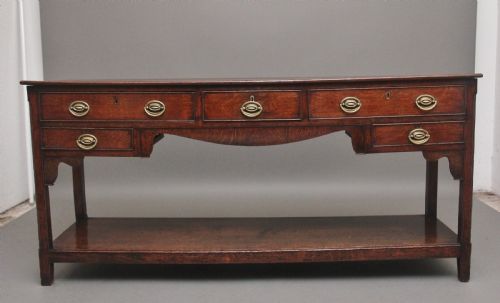

Early Oak Base
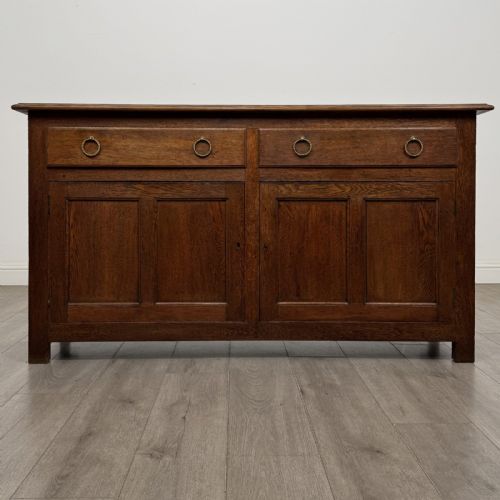
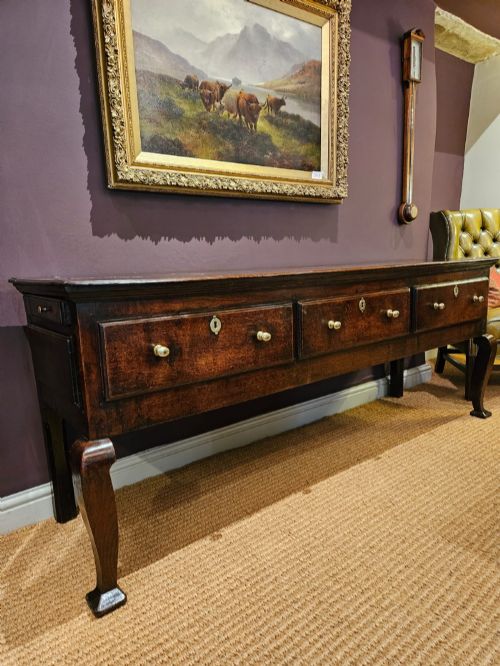
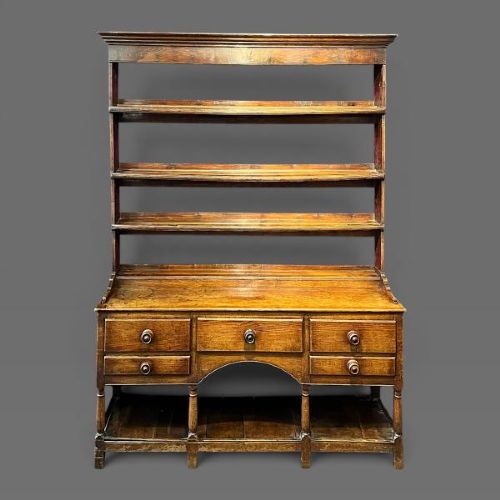
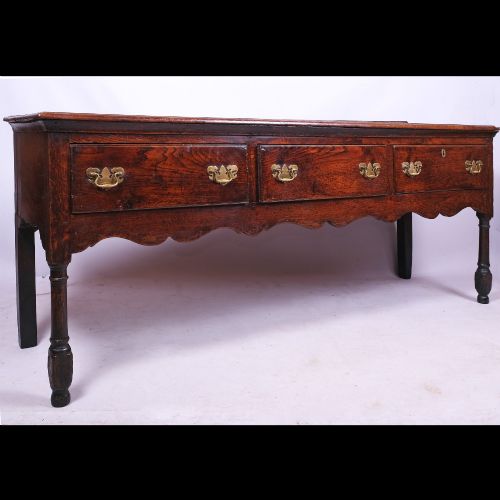
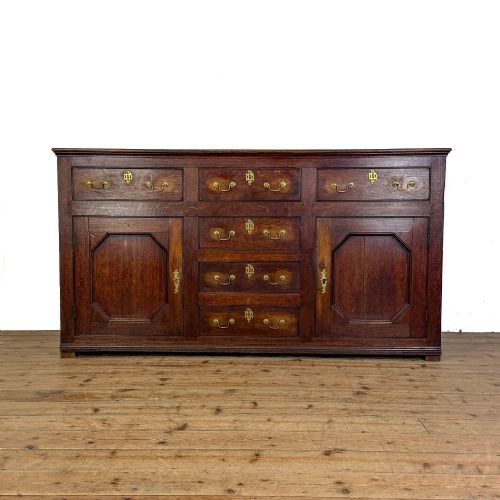
An early oak base represents sturdy, timber-framed utility, most frequently found here as a Georgian or 18th-century dresser base ready for practical daily service.
Early Oak Base
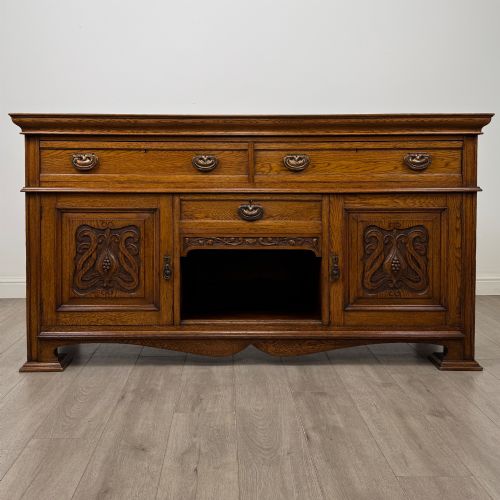
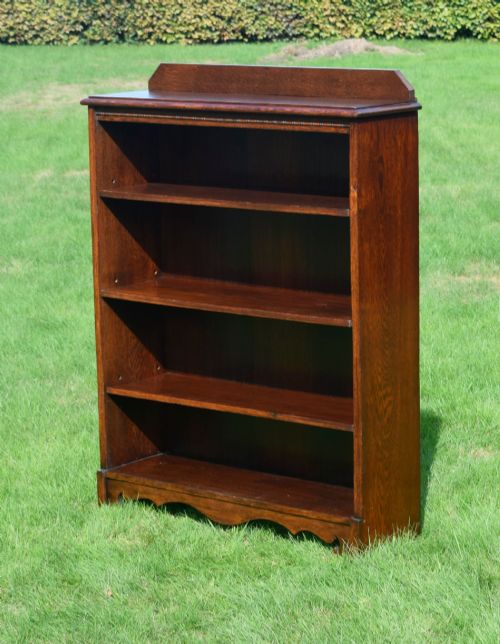
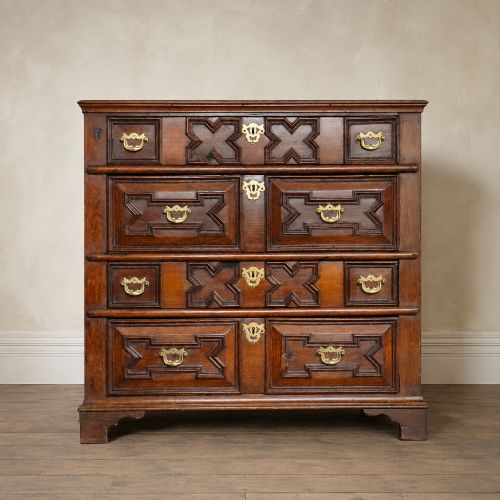
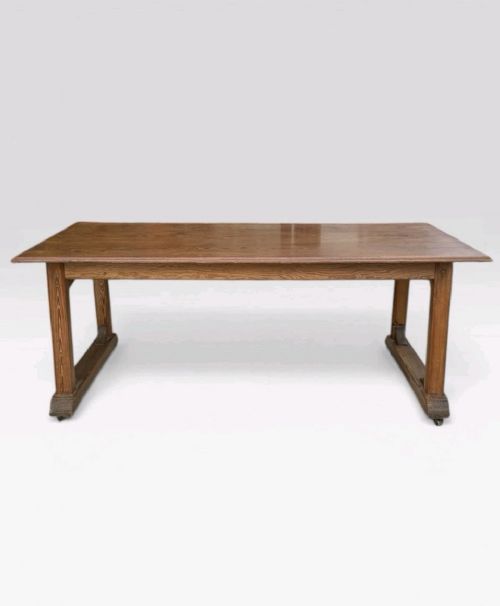
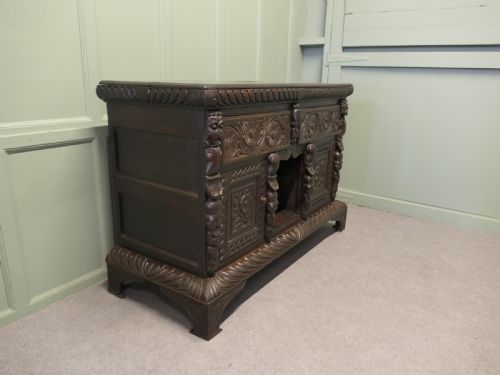
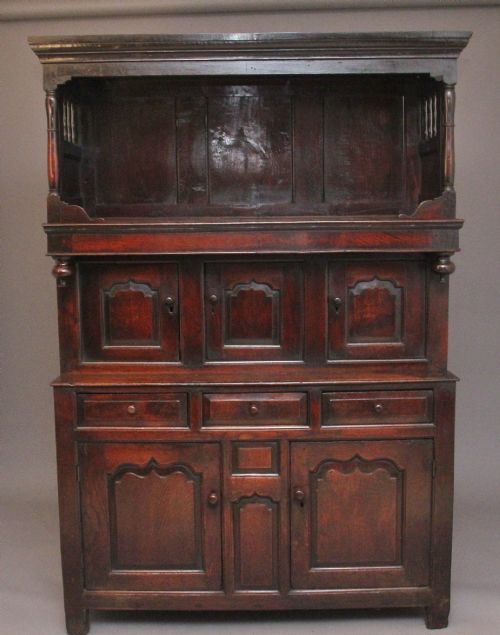
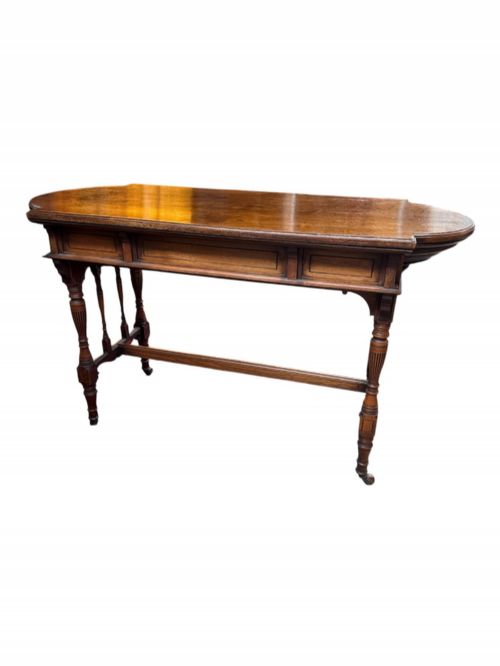
When searching for an early oak base, buyers encounter solid, heavy timber furniture originating predominantly from the 17th, 18th, and early 19th centuries. The most common forms on this page include dresser bases, sideboards, and refectory dining tables built for enduring domestic use.
Stylistic influences span from robust Jacobean revival and Queen Anne periods through to Georgian vernacular and Arts and Crafts designs. These pieces often feature pegged joints, drawer configurations, and substantial tops that reflect regional British woodworking traditions.
Assessing Quality in Oak Furniture
Superior examples display crispness in carved details, such as geometric mouldings or green man motifs, alongside untouched original timber surfaces with deep patination. Inferior or heavily altered pieces often show mismatched timber replacements, excessive sanding, or compromised structural integrity in the base frames.
The degree of original hardware, the tightness of traditional joints, and the integrity of secondary timbers like elm or deal drawers distinguish fine vernacular survivals from heavily restored or later revival pieces.
Early Oak Base Retail Price Guide 2026
Typical asking prices for early oak base among the pieces listed under this phrase on Sellingantiques today, from the lower quarter to the upper quarter. They describe what is for sale here now, not the wider market.
Keep an eye out for hidden green man carvings peering out from beneath the sturdy oak tops.
The Early Oak Base Glossary
- Dresser base
- A low wooden storage unit featuring drawers and sometimes cupboards, historically used in kitchens for food preparation and serving.
- Refectory table
- A long dining table traditionally built with substantial wooden legs and a central stretcher for communal dining.
- Geometric moulding
- Raised wooden detailing applied in geometric patterns, characteristic of 17th-century case furniture.
- Tridarn
- A traditional Welsh three-tier piece of vernacular furniture combining cupboards and display shelving.
- Pollard oak
- Timber harvested from trees that have been pruned close to the trunk, producing a decorative, tightly knotted grain pattern.
Early Oak Base: Frequently Asked Questions
What is a dresser base?
A dresser base is the lower portion of a traditional Welsh dresser, functioning as a standalone sideboard with surface space and drawers.
These pieces served utilitarian roles in historic kitchens and dining spaces for food preparation and tableware storage.
How do I care for early oak furniture?
Maintain early oak by keeping it away from direct heat sources and sudden humidity changes to prevent timber splitting.
Apply traditional beeswax occasionally to nourish the dry wood and preserve the natural surface sheen without creating a glossy film.
Are these pieces made of solid oak?
The listings consist primarily of solid oak construction, occasionally incorporating secondary woods like elm or pine for drawer linings and internal framing.
Heavy timber scantlings and pegged joinery define the authentic build quality across the centuries represented.
How do I identify 18th century oak furniture?
Eighteenth-century pieces typically display hand-planed board surfaces, pegged mortise and tenon joints, and distinct patination acquired over centuries of use.
Stylistic markers such as cabriole legs, geometric mouldings, and vernacular Georgian proportions further help date the construction.