






Early Nineteenth Century Furniture
Early nineteenth century furniture spans formal Regency drawing rooms and sturdy country vernacular workshops alike.
Early Nineteenth Century Furniture
When you search for early nineteenth century furniture, you meet pieces originating from the Regency, George IV, and early Victorian periods. These encompass formal urban forms as well as regional country designs.
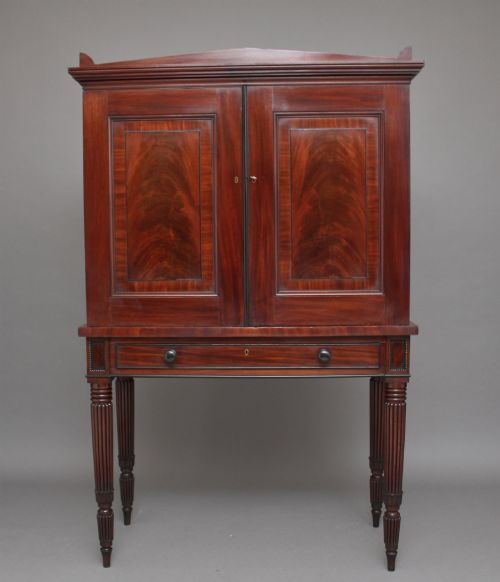
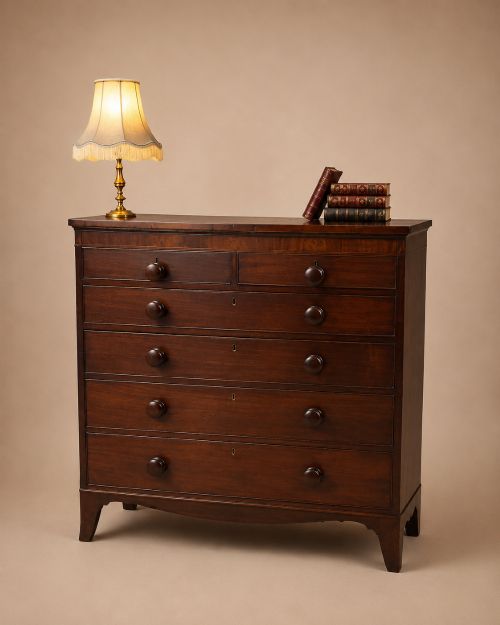
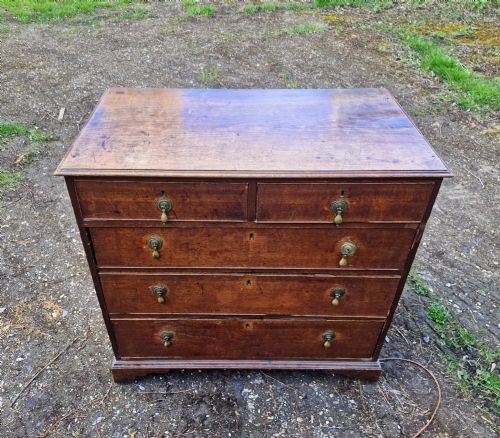
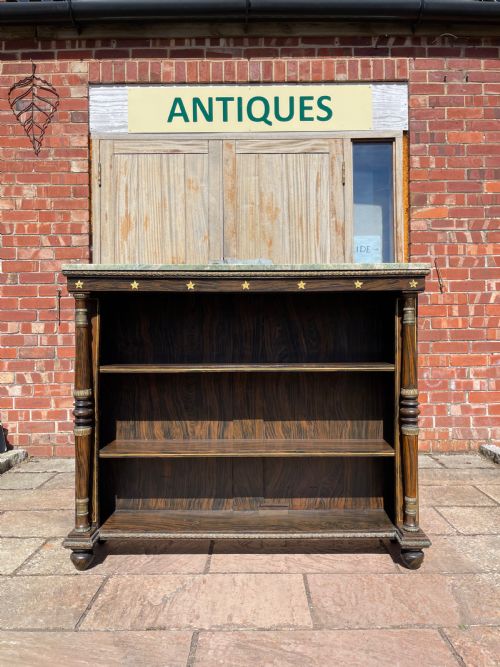
The selections on this page concentrate heavily on mahogany, rosewood, and oak storage and display pieces. Chests of drawers, bookcases, and multi-tiered whatnots appear frequently alongside dining and salon seating.
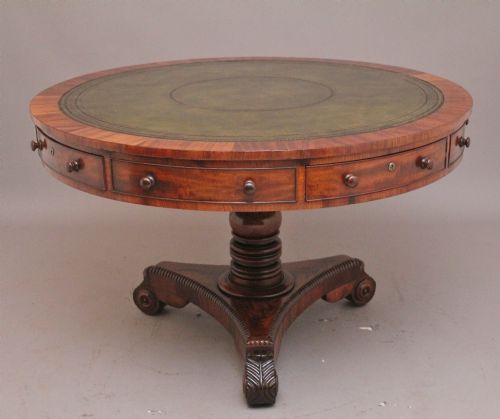
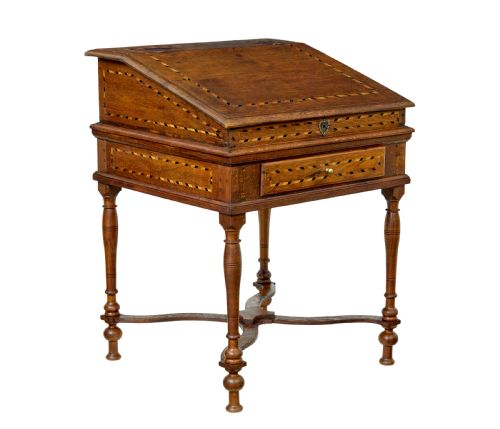
Domestic life of the era required dedicated furniture types for specific rooms, leading to specialised items like wine coolers, writing desks, and drum tables. These objects reflect the functional demands of households during the opening decades of the 1800s.
Materials and construction
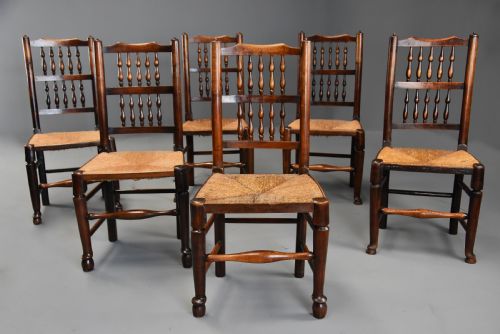
Cabinet makers relied predominantly on dense hardwoods such as mahogany and rosewood for formal pieces, often utilising figured veneers over secondary timbers. Oak, ash, and elm served for structural elements and sturdy country vernacular furniture.
Decorative detailing involved brass inlays, brass hardware, and specialised painted finishes that simulated more exotic woods. Drawer construction utilised hand-cut dovetails, while turning and carved elements defined legs, columns, and spindles.
Regional workshops and major urban firms alike employed traditional joinery methods that ensured stability and longevity. Secondary woods inside drawers and carcases typically consisted of pine or oak.
Early Nineteenth Century Furniture Retail Price Guide 2026
Typical asking prices for early nineteenth century furniture among the pieces listed under this phrase on Sellingantiques today, from the lower quarter to the upper quarter. They describe what is for sale here now, not the wider market.
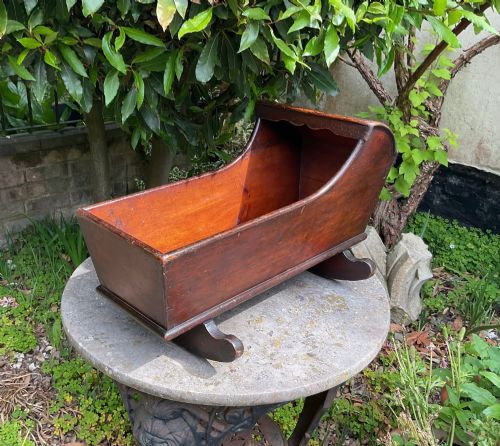
A sturdy pine doll's cradle crib sits quietly among the grand mahogany sideboards and writing desks.
Distinctions in quality
Quality rests in the selection of timber, particularly the grain figuration in mahogany, rosewood, and burr walnut veneers. Superior pieces display book-matched panels and careful timber matching across primary surfaces.
Construction precision distinguishes workshop output, seen in the tightness of dovetail joints, the crispness of carved mouldings, and the integration of original brass fitments. Attribution to known makers like Gillows elevates the standing of a piece.
Proportion and form dictate desirability, with smaller scaled items or unusual designs commanding greater interest than standard production pieces. Original surfaces and patination outweigh heavily restored or stripped timber.
Gillows of Lancaster·Henry Thomas Peters·S Jamar·Holland and Sons
The Early Nineteenth Century Furniture Glossary
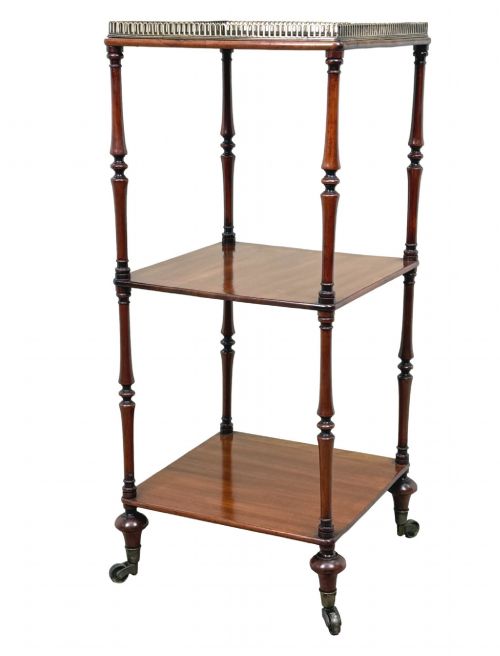
- Whatnot
- A multi-tiered open shelving unit used for displaying ornaments and books. These often feature three or more tiers supported by turned columns.
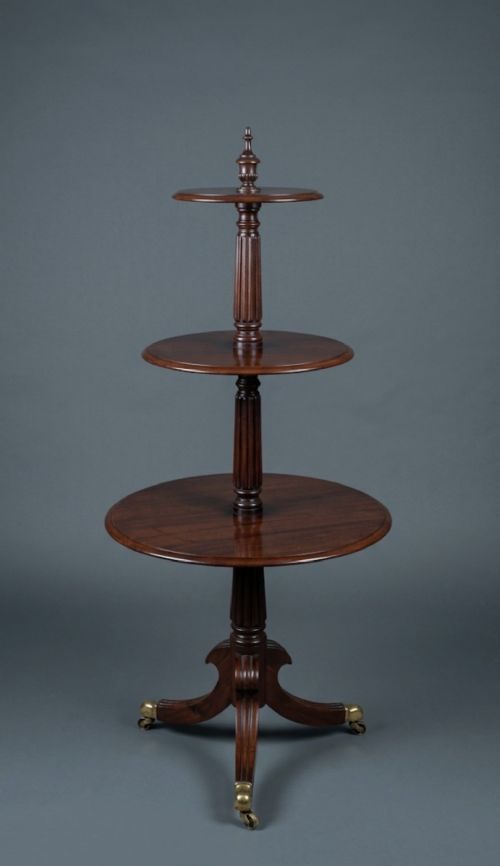
- Drum table
- A circular library table with a deep top resembling a drum, frequently fitted with alternating drawers around the circumference.
- Vernacular
- Regional furniture built by local craftsmen using local timbers like ash and elm rather than imported mahogany. These pieces reflect traditional country styles rather than London fashions.
- Wellington chest
- A tall, narrow chest of drawers secured by a hinged locking stile on one side that fastens with a key. They typically contain seven drawers.
- Secretaire
- A cabinet or chest incorporating a fitted writing drawer with a drop-front writing surface and small internal compartments.
Early Nineteenth Century Furniture: Frequently Asked Questions
What defines early nineteenth century furniture?
This category encompasses pieces made between approximately 1800 and 1840, spanning the Regency, George IV, and early Victorian eras. Styles shift from classical Regency restraint to heavier, more figurative walnut and mahogany designs.
Craftsmen utilised dense hardwoods like mahogany and rosewood alongside regional timbers such as oak, ash, and elm. Forms range from formal library tables and breakfront bookcases to country spindle-back chairs and wine coolers.
How do I identify a Regency piece?
Regency furniture draws inspiration from classical Greek, Roman, and Egyptian motifs, displaying clean architectural lines and restrained ornamentation. Details often include brass inlay, reeded legs, and sabre supports.
Mahogany and rosewood predominate in these urban pieces, frequently paired with gilt bronze or brass mounts. Proportions remain elegant and balanced, reflecting the neoclassical taste of the early decades of the century.
How should I care for antique wood?
Maintain stable humidity levels and protect timber pieces from direct sunlight and heat sources to prevent wood shrinkage and veneer splitting. Regular dusting with a soft, dry cloth preserves the finish.
Apply traditional beeswax occasionally to nourish polished hardwood surfaces and maintain the natural sheen. Avoid silicone-based sprays, which can penetrate and damage historic polishes.