




Early Mechanical Clock
These early mechanical clock pieces bring precision engineering and historic timekeeping into your rooms.
Early Mechanical Clock
When you search for an early mechanical clock, you encounter precision timepieces spanning the nineteenth and twentieth centuries. These instruments range from portable carriage clocks to wall-mounted fusee dial clocks and heavy library clocks.
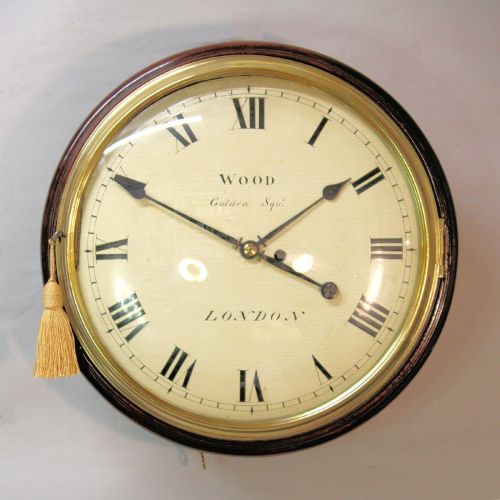
The most common examples on this page are nineteenth-century French carriage clocks and British fusee dial clocks. They showcase brass framing, glass panels, and traditional mechanical movements designed for accurate daily timekeeping.
Makers and workshops across Britain, France, and Switzerland produced these domestic and travel clocks. Their forms reflect functional needs of the period, from desk placement to wall hanging in public rooms.
How they were made
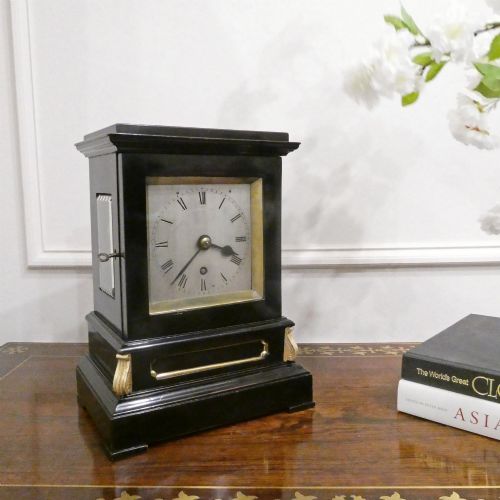
These timepieces rely on brass, gilt brass, and ebonised wood for their robust structural cases. Glass panels and convex glass covers protect the delicate dials and visible escapements within.
Clockmakers utilised mechanical fusee movements and lever escapements driven by springs or weights. Dials feature painted enamel or metal chapter rings, while select models incorporate multi-piece quarter striking mechanisms or world time displays.
Early Mechanical Clock Retail Price Guide 2026
Typical asking prices for early mechanical clock among the pieces listed under this phrase on Sellingantiques today, from the lower quarter to the upper quarter. They describe what is for sale here now, not the wider market.
Object types recorded here include wall clocks, mantel clocks, writing desks, carriage clocks, and world time desk clocks.
What varies in quality
The refinement of the mechanical movement and the complexity of the escapement dictate the primary tier of craftsmanship. Signed dials and cases by known makers demonstrate superior precision compared to anonymous workshop output.
The choice of housing materials, from solid mahogany and oak to heavy gilt brass and rhodium plating, shifts the overall weight and visual presence. Fine hand-engraving on the brass cases further distinguishes the finer examples.
Henri Jacot·Paul Garnier·Le Roy et Fils·E.J.Dent·Jaeger Le Coultre·Kienzle·Mappin and Webb
The Early Mechanical Clock Glossary
- Fusee
- A conical pulley used in older clock movements to maintain even tension on the chain as the mainspring unwinds. This mechanism improves the timekeeping accuracy of the clock.
- Carriage clock
- A small, portable spring-driven clock designed for travel during the nineteenth century. These pieces usually feature a glass-panelled brass case and a folding handle on top.
- Ebonised
- Wood treated with a dark stain or finish to imitate ebony. This dark surface treatment is common on nineteenth-century library clock cases.
- Escapement
- The mechanism in a clock that controls the wheel train and delivers impulses to the pendulum or balance wheel. It produces the characteristic ticking sound of the movement.
- Dial
- The visible face of the clock where the hours and minutes are displayed. These components use painted enamel, metal, or convex wood constructions.
Early Mechanical Clock: Frequently Asked Questions
How do I wind an early mechanical clock?
Most mechanical clocks require a specific key inserted into the dial or back plate to tension the mainspring. Turn the key gently until you feel resistance, taking care not to overwind the mechanism.
Different models have varying power reserves, meaning some require weekly winding while others run for shorter durations. Consult the specific movement type before applying tension to the spring.
Where should I place a carriage clock?
Carriage clocks suit stable, flat surfaces such as mantelpieces, desks, or bedside tables where they remain undisturbed. Their portable design allows easy movement between rooms.
Keep these brass and glass instruments away from direct sunlight, damp areas, and extreme temperature changes to protect the internal metal components and dial enamel.
How do fusee clocks work?
A fusee clock uses a conical drum connected to the mainspring by a fine chain or cord. As the spring loses power, the chain moves to a wider part of the cone to maintain consistent torque.
This clever mechanical arrangement ensures the clock delivers even power to the escapement throughout the running cycle, resulting in steady timekeeping.