



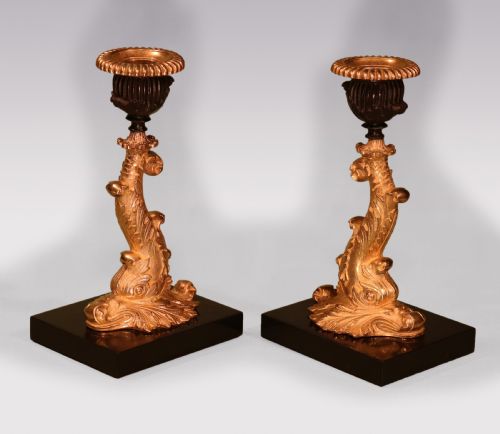
Early Georgian Candle Holders
Early georgian candle holders bring direct 18th-century domestic illumination into a room, offering heavy cast brass forms and sturdy wrought iron mechanics that collectors prize.
Early Georgian Candle Holders
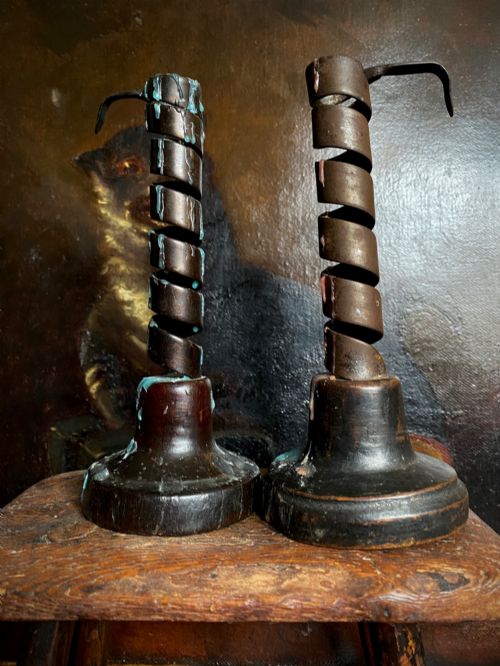
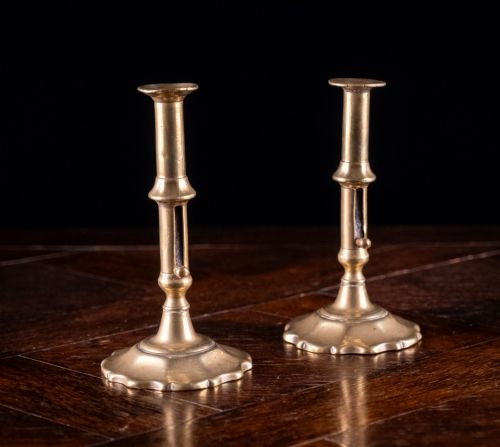
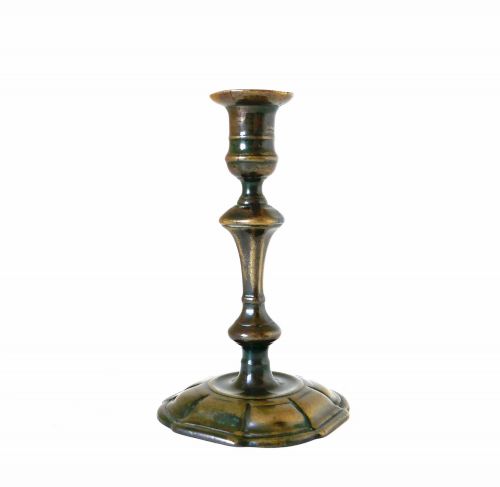
Early georgian candle holders comprise functional lighting from the eighteenth century, encompassing domestic table sticks, chamber sticks, and combined rushlight holders designed for daily use. The examples most frequently encountered on this page date from the mid-eighteenth century, particularly around seventeen-forty.
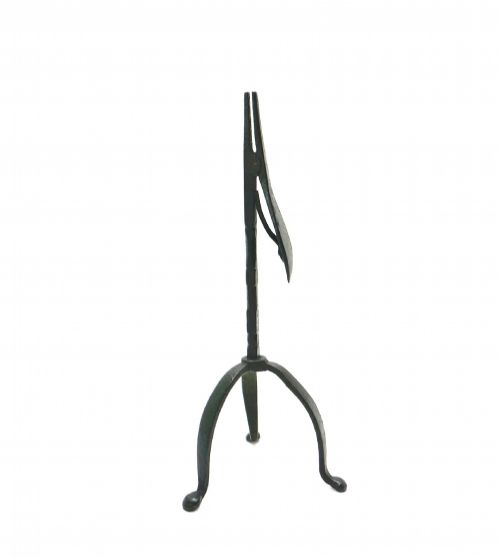
Makers produced these utilitarian objects in brass, bell metal, and wrought iron, occasionally extending into nineteenth-century revivals and porcelain figural designs. Buyers will find paired candlesticks alongside single patinated pieces and tripod-base rushlight mechanisms originating from English and Welsh workshops.
Materials and construction
Smiths formed early brass lighting using seamed construction methods, casting metal components in sections and joining them solidly before finishing on a lathe. Wrought iron pieces relied on hot-working techniques, shaping spring-action mechanisms and cruciform bases by hand at the forge.
Potters and silversmiths utilised glazed porcelain and silver plate for later chamber sticks, incorporating applied figural decoration and cast bronze mounts with ormolu highlights.
Early Georgian Candle Holders Retail Price Guide 2026
Typical asking prices for early georgian candle holders among the pieces listed under this phrase on Sellingantiques today, from the lower quarter to the upper quarter. They describe what is for sale here now, not the wider market.
Listings here feature brass, wrought iron, bronze, and glazed porcelain spanning the eighteenth and nineteenth centuries.
Judging execution and survival
Quality rests upon the crispness of casting detail in the brass bases and the survival of original surface patination without aggressive cleaning. Pieces that retain their proportional integrity and uncompromised seamed joints stand apart from heavily polished or altered examples.
Mechanised iron rushlights depend on the tension and original working order of their spring actions, where untouched blacksmith craftsmanship dictates desirability.
The Early Georgian Candle Holders Glossary
- Bell metal
- An alloy of copper and tin yielding a resonant bronze, frequently utilised for heavy eighteenth-century candlesticks. It provides a distinctive dark tone compared to standard yellow brass.
- Rushlight holder
- A weighted or tripod-based iron stand utilising a spring-action pincer to grasp a burning rush dipped in animal fat. These domestic items illuminated rural homes before cheap tallow candles became universal.
- Chamberstick
- A short candlestick fitted with a wide drip pan and a loop handle for carrying room to room. They often include a small conical snuffer resting in the tray.
- Seamed candlestick
- A stick constructed from separate metal components joined together along visible manufacturing lines rather than cast as a single solid mass. This technique was standard practice for eighteenth-century brassware.
- Spill holder
- A small desk container designed to hold thin tapers of wood or paper used for transferring a flame from hearth to candle. They mirror the decorative turnery of contemporary candlesticks.
Early Georgian Candle Holders: Frequently Asked Questions
How do I spot a reproduction?
Examine the casting seams, tool marks, and base wear to determine age, noting that genuine eighteenth-century pieces display authentic oxidation and casting irregularities.
Modern copies often feel too uniform, lack period patination, and use contemporary assembly methods rather than traditional seamed construction.
Are pairs harder to find?
Matching pairs survive less frequently because individual candlesticks became separated or damaged over centuries of domestic use on tables and mantelpieces.
Single sticks appear more often in early brass and wrought iron, making matched pairs from the seventeen-forties notably desirable for collectors.
What is bell metal?
Bell metal is a specialised alloy containing higher proportions of tin than standard brass, chosen by period founders for its durability and acoustic properties.
Objects cast in this material exhibit a heavier weight and a darker, richer surface colour after centuries of handling.
How should I clean them?
Maintain historical pieces by dusting with a dry cloth and avoiding harsh chemical polishes that strip away centuries of accumulated patination.
Preserving the original surface skin protects the metal and maintains the authentic visual character expected by collectors.