




Early English Mirror
An early english mirror brings historic warmth to a room, offering centuries of craftsmanship in polished glass and timber.
Early English Mirror
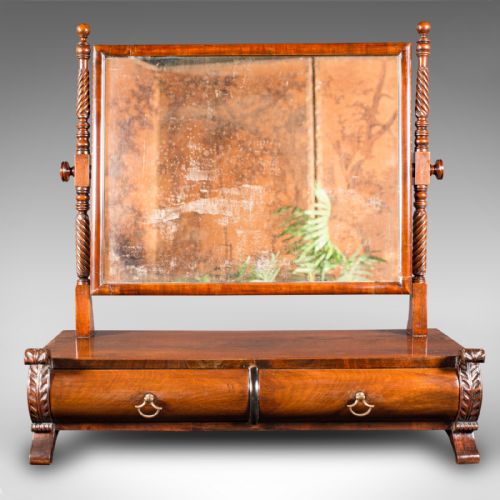
An early english mirror encompasses wall mirrors, overmantel mirrors, and dressing mirrors originating from periods such as the Georgian, Regency, and Victorian eras. These pieces serve as functional wall or tabletop items that reflect light and expand the visual space of a room.
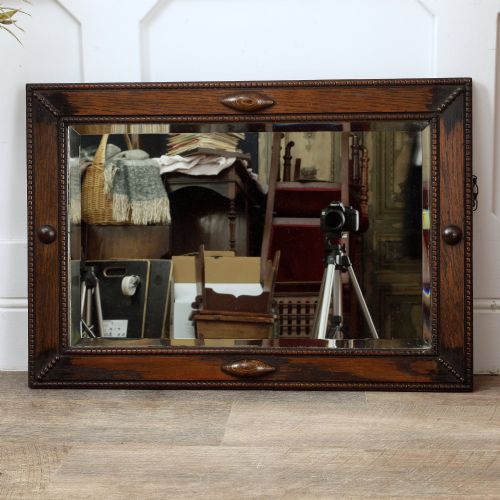
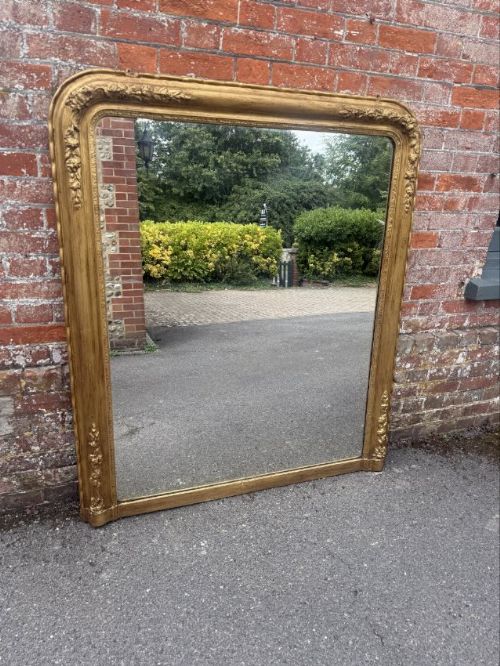
The versions most commonly met on this page range from nineteenth-century carved wood and gesso gilt frames to early twentieth-century oak wall designs. They reflect the shifting interior tastes of English homes across multiple decades.
Materials and construction methods
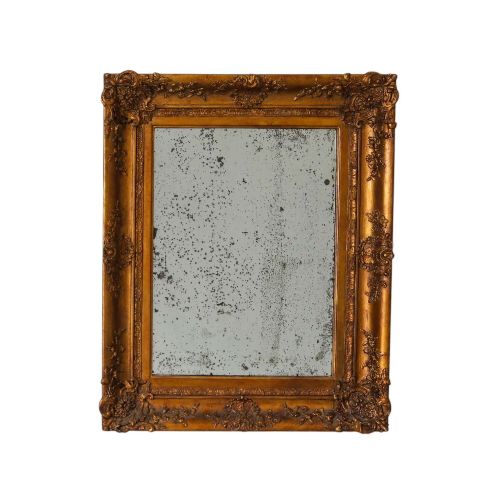
Frames are constructed using native and imported timbers including oak, walnut, mahogany, and rosewood, often paired with carved gesso and giltwood details. Craftsmen shaped these woods using traditional joinery and carving techniques appropriate to the period.
Reflective surfaces consist of glass plates, sometimes showing natural age-related foxing, set within protective wooden rabbets and secured at the back with traditional panels.
Early English Mirror Retail Price Guide 2026
Typical asking prices for early english mirror among the pieces listed under this phrase on Sellingantiques today, from the lower quarter to the upper quarter. They describe what is for sale here now, not the wider market.
Assessing quality and craftsmanship
The distinction between tiers of quality lies in the depth and crispness of the hand-carving on the frame and the original integrity of the gilding or polish. Superior examples retain their original glass plates and structural joinery without heavy modern intervention.
Proportion and balance also dictate distinction, where finer pieces display harmonious architectural lines and restrained ornamentation rather than clumsy assembly.
The Early English Mirror Glossary
- Gesso
- A plaster-like mixture applied to wood frames to provide a smooth surface for gilding or painting. It is typically built up in thin layers before being carved or stamped.
- Foxing
- Small dark spots or patination appearing within the silvering of antique mirror glass over time. This chemical change is a natural result of age and atmospheric exposure.
- Giltwood
- Timber that has been coated with a very thin layer of gold leaf or gold powder. It creates a bright, reflective metallic finish common on formal period frames.
- Overmantel mirror
- A large horizontal mirror designed specifically to hang above a fireplace mantelpiece. These pieces often incorporate landscape proportions to match the width of the hearth below.
Early English Mirror: Frequently Asked Questions
How do I hang a heavy early mirror safely?
Heavy antique mirrors require robust wall fixings secured directly into masonry or structural studs rather than simple plasterboard anchors. Use professional hanging brackets that distribute the weight evenly across the frame.
Check that the wire, chain, or mirror plates attached to the back of the frame are strong enough to support the total weight. Enlist a second person to assist when lifting and positioning the piece on the wall.
Should I clean foxed mirror glass?
Foxed glass should only be wiped gently with a soft, dry microfibre cloth to remove surface dust. Avoid modern chemical glass cleaners because they can seep behind the plate and damage the original backing.
The spots and silvering losses characteristic of foxing are permanent signs of age that contribute to the historic character of the mirror. Preserving them maintains the authenticity of the piece.
How do I tell a Regency mirror from a Victorian one?
Regency mirrors, dating from the early nineteenth century, frequently feature classical architectural motifs such as rope twists, ball accents, and bolder architectural cornices. Their frames often rely on gilded finishes designed to catch natural candlelight.
Victorian mirrors tend to display heavier, more exuberant ornamentation with deeper floral carvings and darker wood finishes. They reflect the industrial expansion of manufacturing methods during the mid to late nineteenth century.
Can I place an antique mirror in a bathroom?
Placing an antique mirror in a humid bathroom environment risks accelerating the deterioration of the wooden frame and the silvered glass backing. Moisture can cause the gesso to soften and the wood to warp over time.
If positioned in a bathroom, ensure the room has adequate ventilation and keep the mirror away from direct steam and splashing water. Periodic monitoring helps catch any early signs of moisture damage.