



Early English Chest
An early english chest brings solid timber and centuries of domestic use straight into a room.
Early English Chest
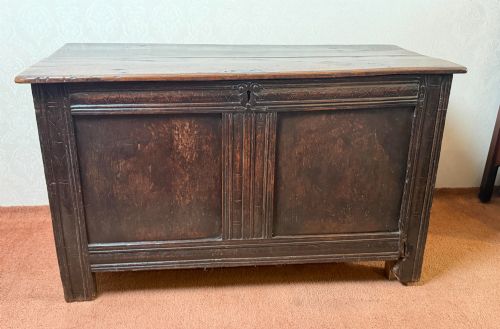
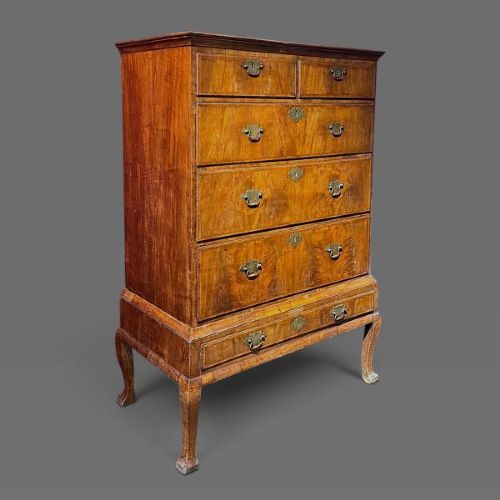
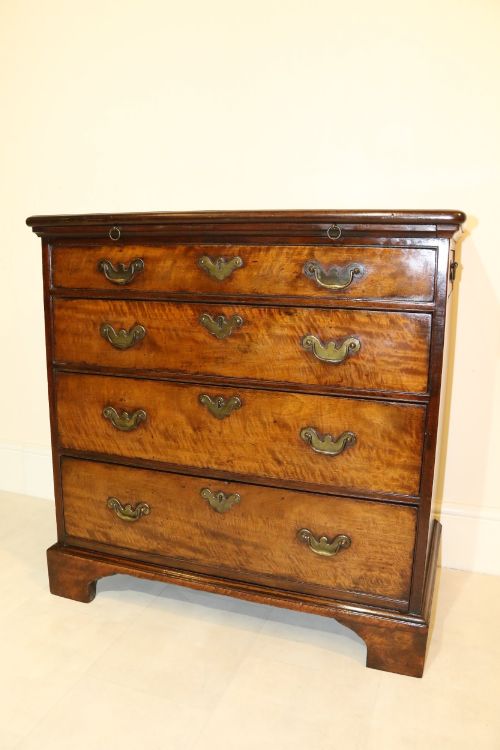
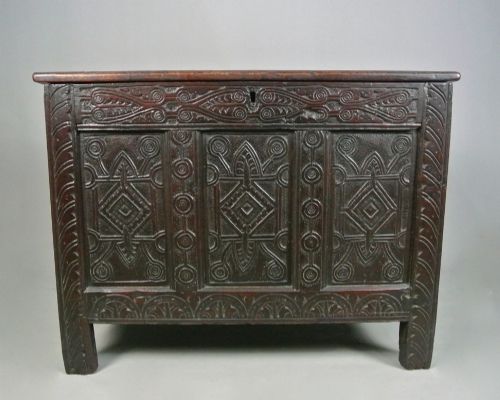
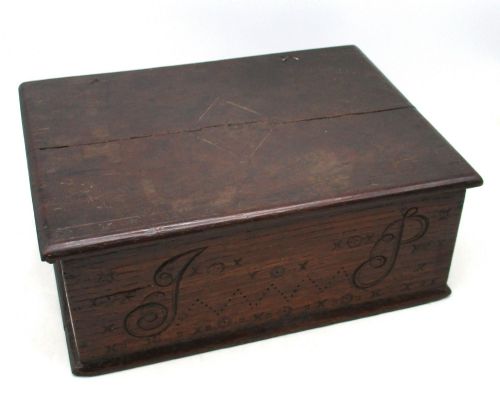
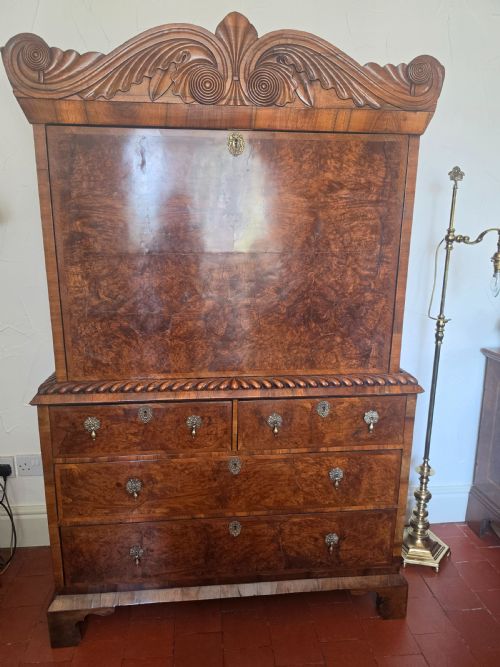
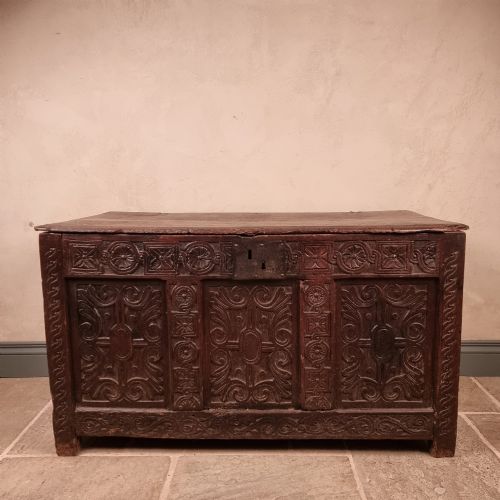
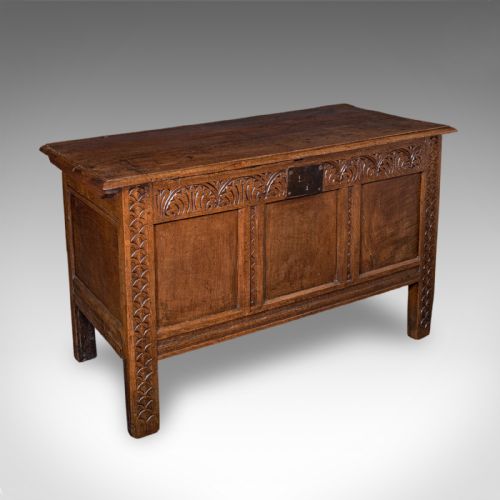
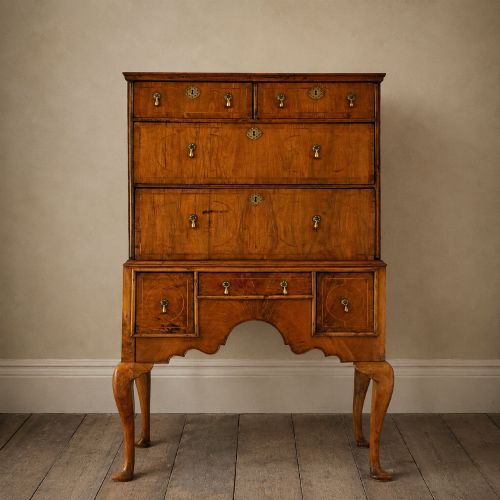
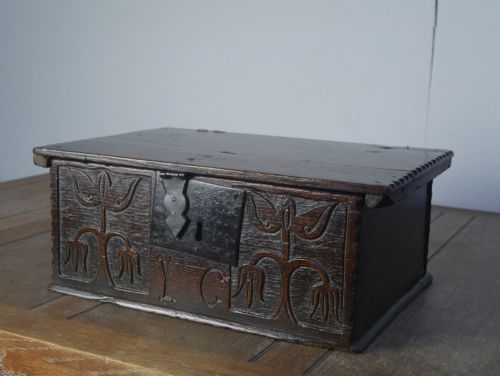
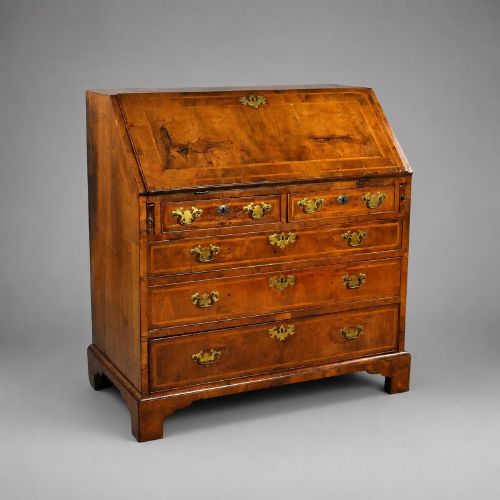
You are most likely to meet seventeenth and eighteenth-century examples fashioned from native timber. These pieces range from simple boarded document boxes to complex walnut escritoires and chests on stands reflecting changing domestic needs.
The forms shift from primitive boarded coffers to sophisticated drawers and writing cabinets. Each survivor carries the marks of vernacular or formal English cabinet-making traditions.
Materials and construction
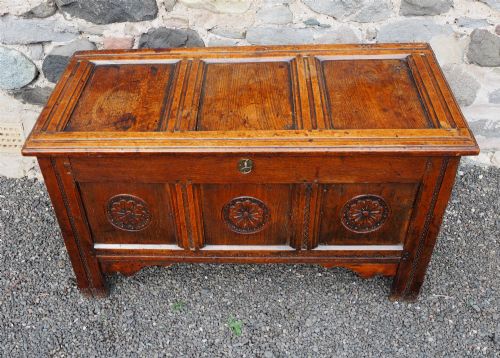
Makers relied primarily on sturdy oak for sixteenth and seventeenth-century coffers and blanket boxes. Planks were joined with pegged mortise and tenon joints, creating rigid frames around inset panels that allowed timber to move naturally with humidity changes.
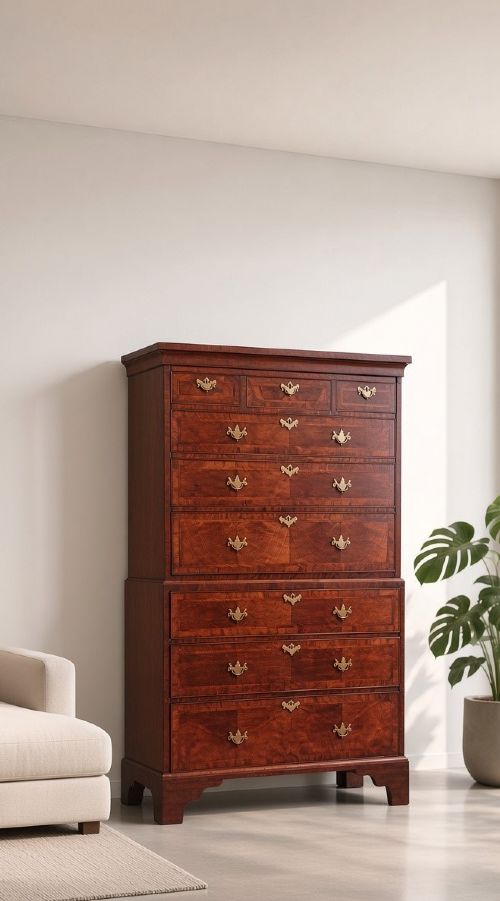
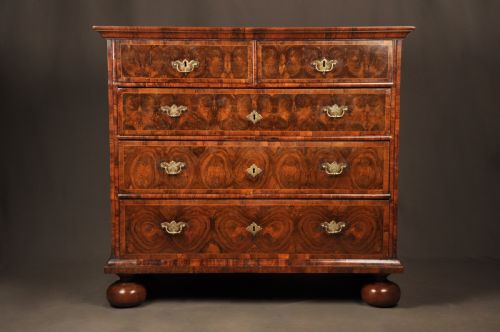
Walnut became dominant by the late seventeenth and early eighteenth centuries, often cut into veneers or oyster pieces arranged in geometric patterns. Cabinet-makers added crossbanding, feather-banding, and brass hardware to elevate the visual weight of these refined storage pieces.
Early English Chest Retail Price Guide 2026
Typical asking prices for early english chest among the pieces listed under this phrase on Sellingantiques today, from the lower quarter to the upper quarter. They describe what is for sale here now, not the wider market.
Listings feature periods spanning from the sixteenth century through the Victorian era, dominated by oak and walnut.
What separates the best from the rest
Quality rests upon timber selection and the integrity of the original surfaces. Untouched patination and figured veneers demonstrate superior initial craftsmanship and careful preservation over centuries.
Proportion and structural honesty separate ordinary utility items from exceptional examples. Integrated stands, well-executed carved panels, and original brasses distinguish pieces made by skilled workshops from altered survivors.
The Early English Chest Glossary
- Coffer
- A large wooden chest used historically for storing valuables, linen, or documents. These heavy storage pieces typically feature hinged lids and boarded or panelled construction.
- Escritoire
- A writing cabinet featuring a fall-front or slant-front desk surface concealing small drawers and pigeonholes. These multifunctional pieces emerged to serve private correspondence.
- Crossbanding
- A decorative border technique where thin strips of veneer are laid perpendicular to the grain of the main surface. This frames drawer fronts and tabletops with contrasting wood direction.
- Feather-banding
- An intricate inlay technique using matched veneer strips arranged in a herringbone pattern. Cabinet-makers used this linear decoration to edge walnut drawer fronts during the early eighteenth century.
- Panelled construction
- A framing method using stiles and rails grooved to hold a floating centre panel. This traditional technique prevents timber from splitting as atmospheric conditions shift.
Early English Chest: Frequently Asked Questions
How do I date an early oak chest?
Examine the construction methods, tool marks, and joint types visible on the timber. Hand-split boards, pegged mortise and tenon joints, and original ironwork point toward sixteenth and seventeenth-century origins.
Stylistic cues such as linenfold carving, arcading, or geometric moulding provide further chronological markers. Secondary woods and fastener types help confirm the period of manufacture.
What were these chests used for originally?
Households utilised these heavy wooden boxes to secure valuables, store household linen, and preserve important documents. Their robust construction often doubled their utility as benches or window seats in great halls and chambers.
Later multi-drawer versions and escritoires evolved to hold personal correspondence and clothing. They served as primary storage furniture before fitted wardrobes and built-in closets became common.
How do I live with an antique chest?
Place timber chests away from direct heat sources and strong sunlight to prevent wood shrinkage and fading. Maintain stable room humidity to protect old adhesives, veneers, and solid oak panels.
Use the flat top surfaces for display while keeping internal storage functional for blankets or linens. Regular dusting with a dry cloth preserves the aged patina without stripping natural wax finishes.
What is the difference between a coffer and a chest?
A coffer traditionally refers to a heavy storage box with a hinged lid, often constructed using boarded or panelled oak during the medieval and Tudor periods. These foundational pieces served general utility storage.
Chests often incorporate drawers, tiered stands, or writing compartments as cabinet-making techniques advanced into the Georgian era. The term spans simpler blanket boxes up to sophisticated multi-drawer case furniture.