
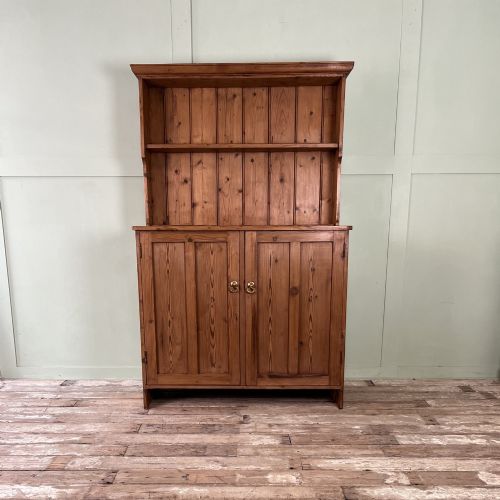
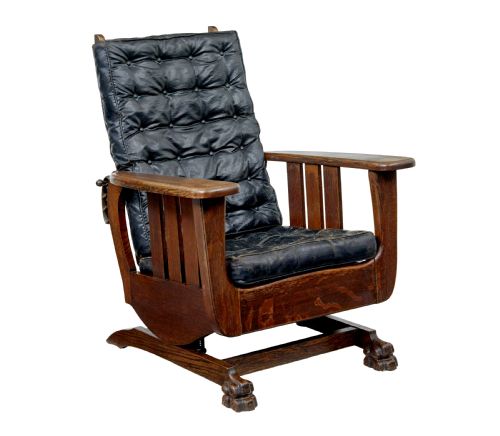
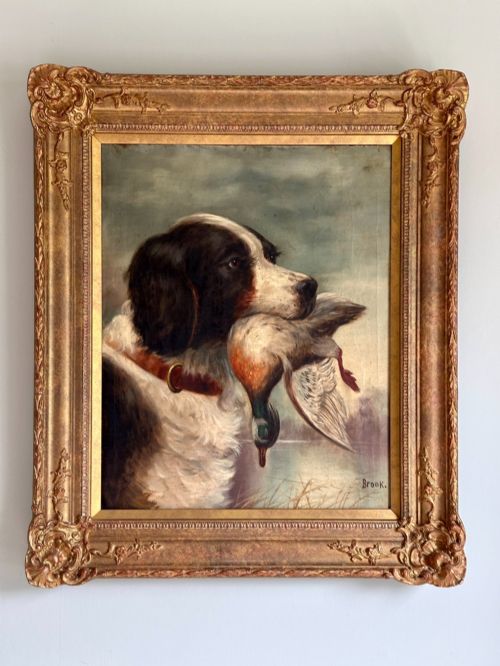

Early 20th Century
Early 20th century pieces span domestic furniture, paintings, and decorative objects shaped by the Edwardian period, Arts and Crafts ideals, and industrial shifts.
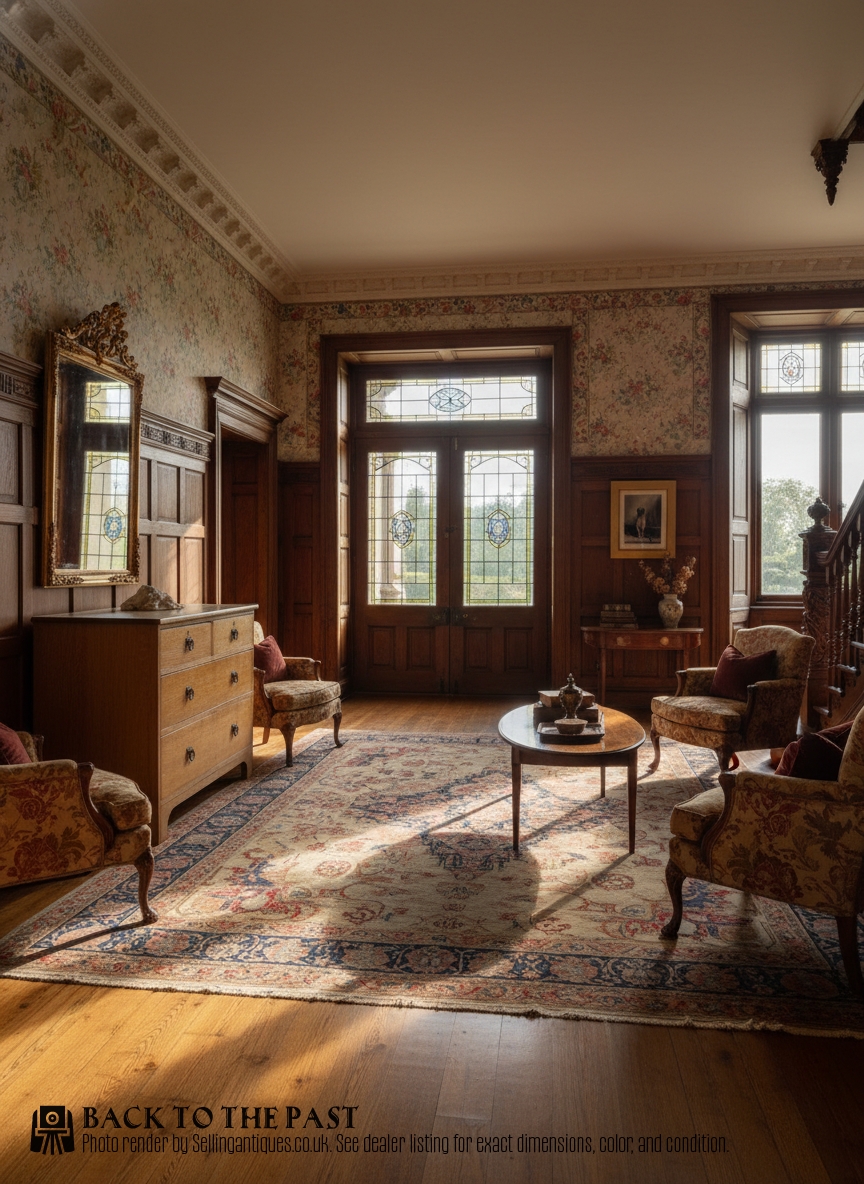
Early 20th Century
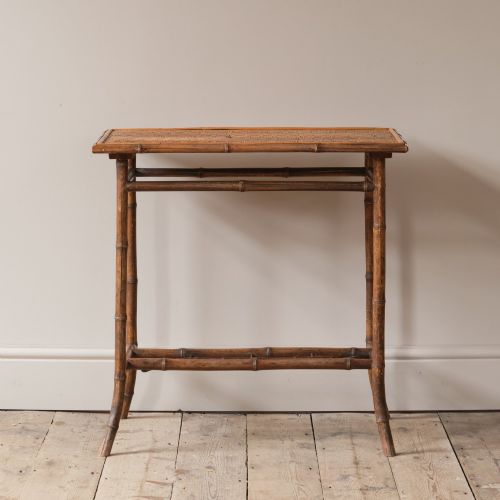
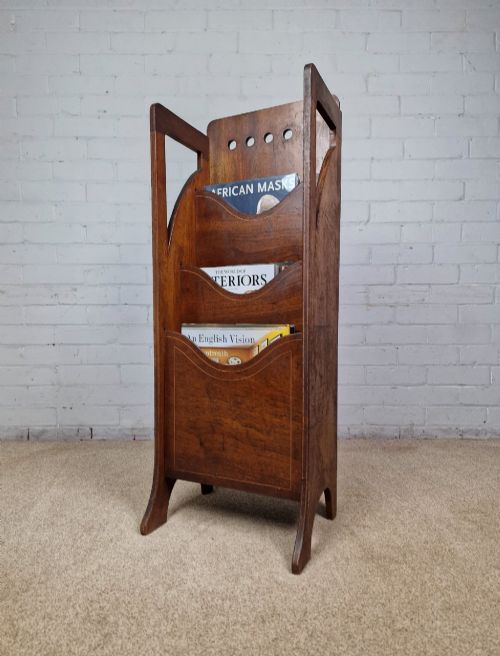
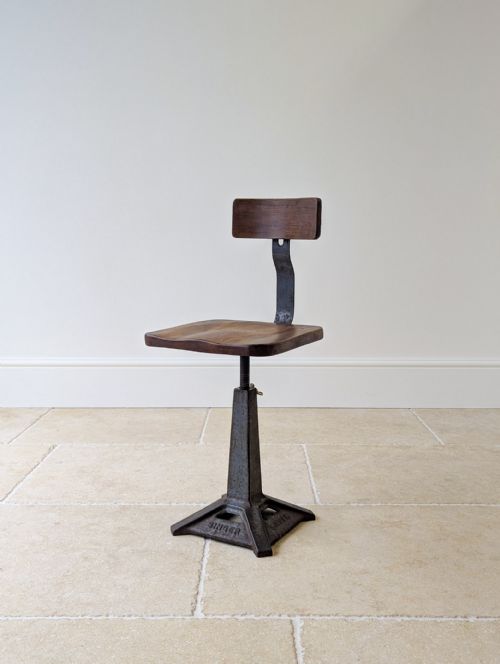
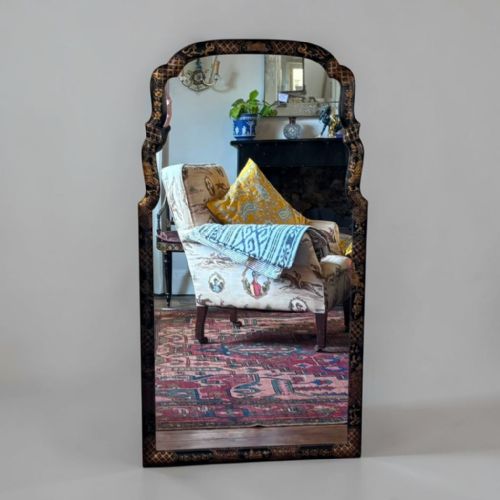
Items carrying the label early 20th century encompass practical household furnishings such as oak bookcases, chests of drawers, writing tables, and armchairs alongside mirrors and lighting.
Decorative objects range from Satsuma dishes and Japanese folding screens to fairground mirrors, bronze sculptures, and architectural signs.
How they were made
Traditional woodworking dominates the furniture selection, utilising solid oak, mahogany, walnut, and pitch pine joined with practical hardware, brass fittings, and bevelled glass.
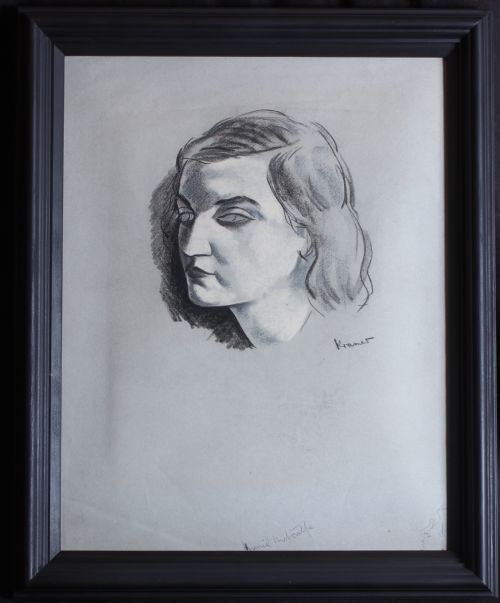
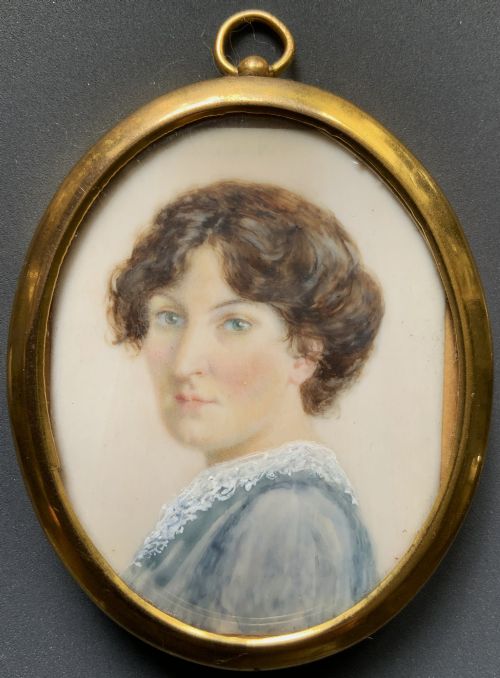
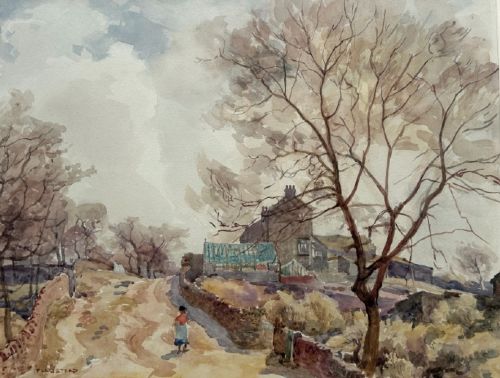
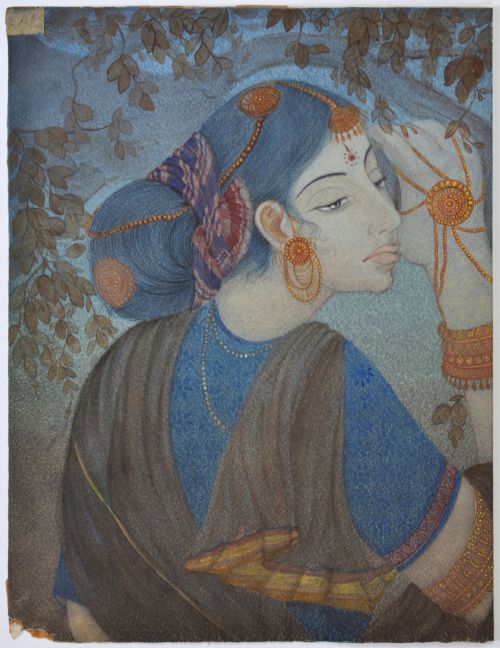
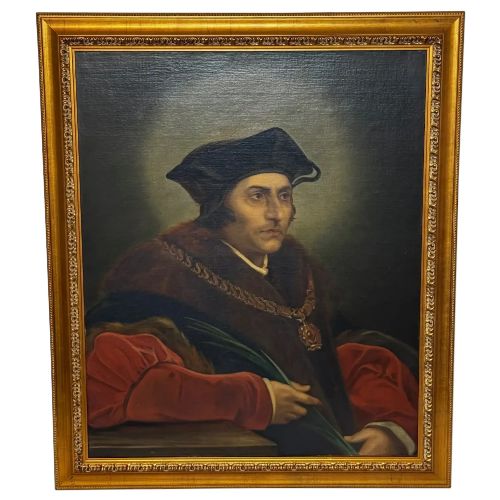
Works on paper and canvas employ ink, watercolour, oil paint, and gouache, often mounted on paper attached to canvas stretchers or framed in wood.
Metalwork relies on cast bronze, brass, iron, zinc, and white metal, alongside hand-carved bone, glazed porcelain, and red clay pottery.
The documented periods span the Edwardian era through the 1930s, encompassing Arts and Crafts and Secessionist styles.
What varies in quality
The integrity of construction separates mass-produced utility items from estate-made pieces, seen in the thickness of solid timber, the depth of wood carvings, and the execution of dovetail joints.
Artistic execution distinguishes standard decorative works from fine signed paintings, determined by brushwork control, pigment preservation, and paper or canvas condition.
Waring and Gillow·Jacob and Josef Kohn·Brigg of St James's
The Early 20th Century Glossary
- Edwardian
- Pertaining to the reign of King Edward VII, noted for lighter furniture forms and refined domestic interiors. This style often overlaps with early craftsmanship of the era.
- Arts and Crafts
- A design movement prioritising traditional handcraft, vernacular materials, and simple utility over mass production. Pieces from this school emphasise natural wood grain and honest construction.
- Secessionist
- A Central European modernist movement breaking away from historicist academic art, influencing decorative arts and cabinet design. It values geometric clarity and stylized motifs.
- Gouache
- An opaque water-based pigment used in paintings to create dense, matte colour fields. It often appears on paper in maritime and landscape works from this period.
- Bevelled glass
- Plate glass with an angled, polished edge designed to catch and refract light. This technique is frequently found on mirrors, display cabinets, and wall sconces.
Early 20th Century: Frequently Asked Questions
How do I identify early 20th century oak furniture?
Oak items from this era typically show straightforward joinery, honey or mellowed wood tones, and functional forms like sectional bookcases, writing tables, and chests of drawers.
Examine the interior construction and hardware, such as brass pulls or padlocks, which reflect the manufacturing standards of the period between 1900 and 1930.
What styles define early 20th century paintings?
Paintings from this timeframe include impressionist maritime scenes, pastoral watercolours, charcoal sketches, and botanical studies executed on canvas or paper.
Signatures, artist inscriptions, and framing details help attribute these works to regional schools and individual painters active during the Edwardian and interwar decades.
How should I care for vintage wooden surfaces?
Solid oak, mahogany, and walnut furniture requires protection from direct sunlight and extreme humidity fluctuations to prevent timber splitting.
Regular dusting with a dry cloth and occasional application of appropriate furniture wax help maintain the original finish and mellowed patina of the wood.
Where were decorative brass and bronze items used?
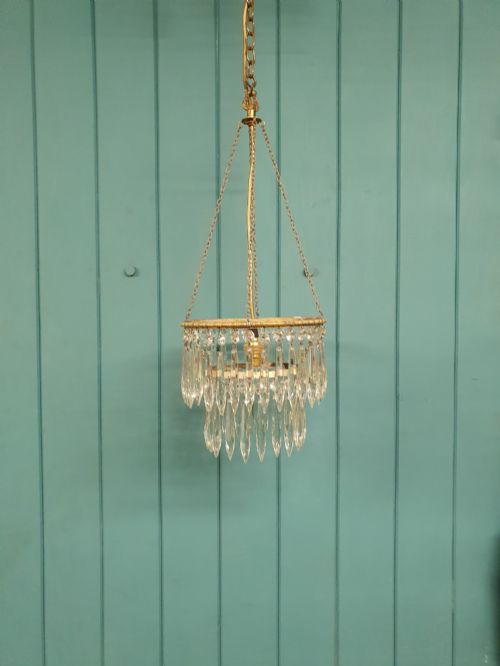
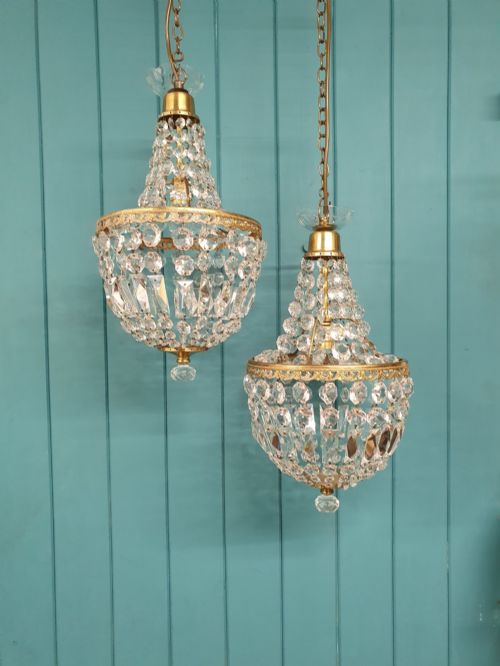
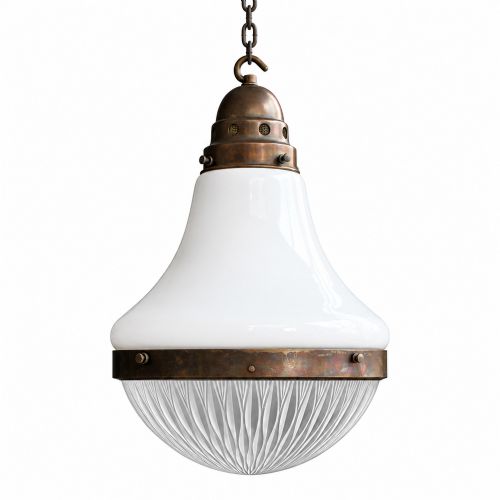
Brass chandeliers, wall lights, hanging lanterns, and bronze sculptures served functional and decorative lighting roles in domestic and commercial interiors.
These pieces utilise cast metal components, cut glass crystals, and patinated surfaces designed to complement the architecture of the period.