
Early 20th Century Stand
When searching for an early 20th century stand, collectors encounter diverse utility items ranging from heavy oak hall stands to delicate plant tables.
Early 20th Century Stand
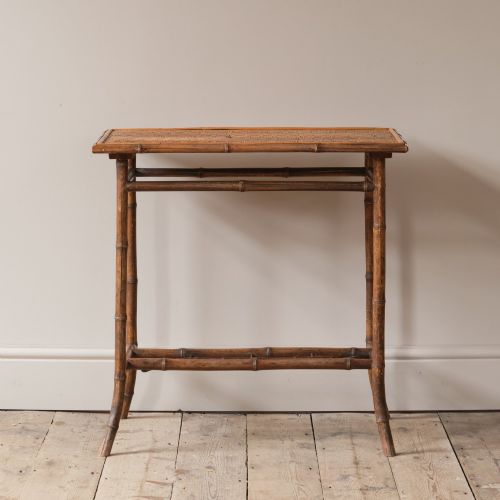
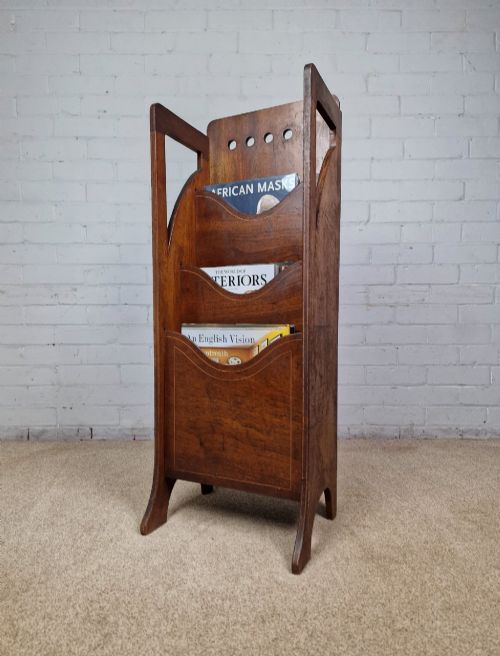
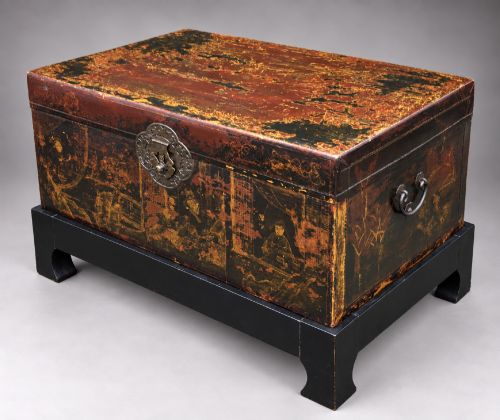
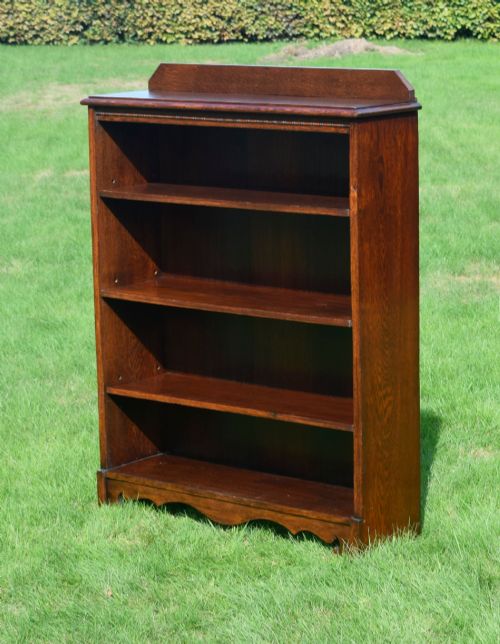
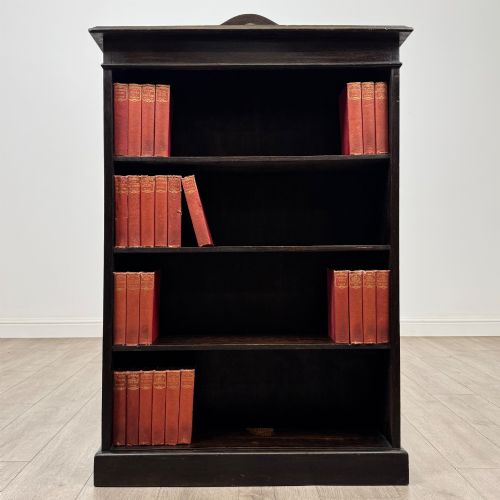
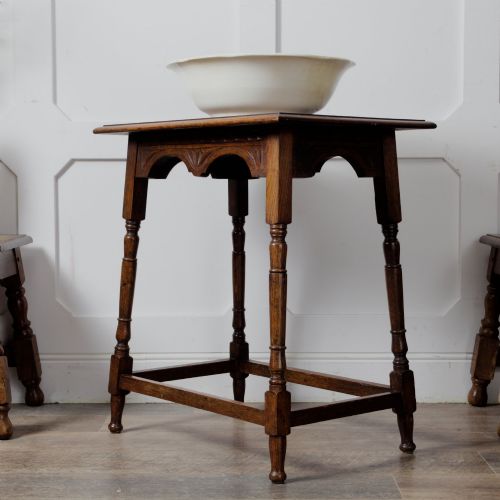
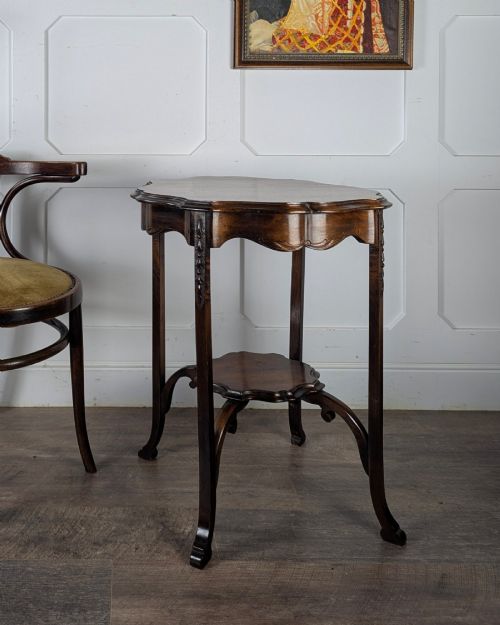
The phrase early 20th century stand encompasses a wide variety of functional household furnishings designed for specific domestic tasks during the Edwardian era and subsequent decades. Buyers looking through this category most frequently encounter hall furniture, plant holders, and occasional tables made to serve practical purposes in hallways, drawing rooms, and studies.
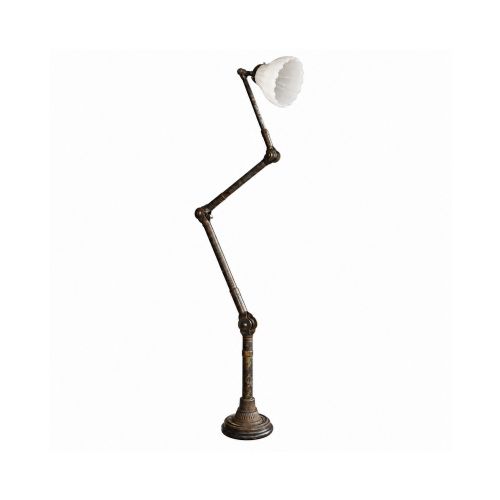
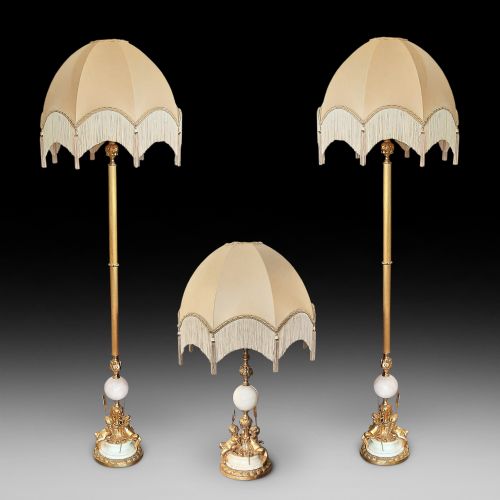
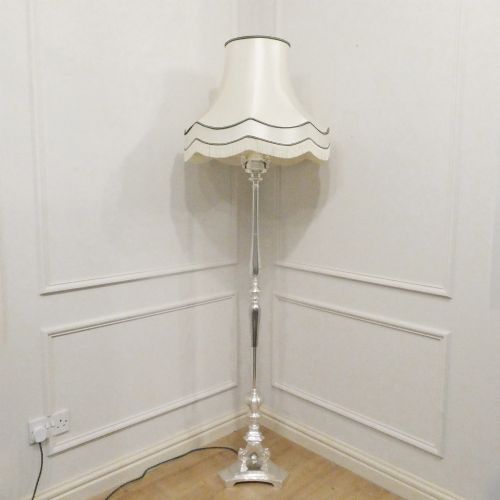
Many of these utilitarian pieces reflect the transition from late Victorian heavily ornamented designs towards more streamlined Arts and Crafts, Art Deco, or revival styles. Common forms include umbrella holders, hat and coat trees, cake stands, and lamp bases, all constructed to meet the domestic organising needs of the period.
Distinguishing quality across examples
Superior examples of an early 20th century stand display thoughtful proportion, substantial timber thickness, and refined detailing such as hand-carving or precise inlay work. Lesser pieces often rely on simpler machine-cut construction with minimal decorative integration.
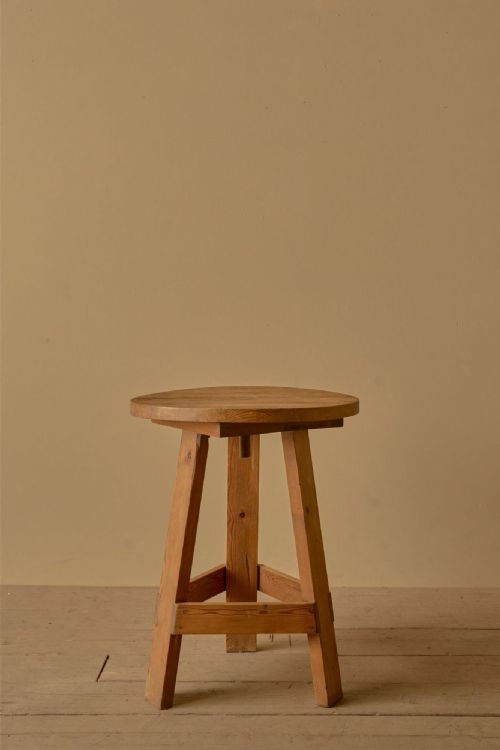
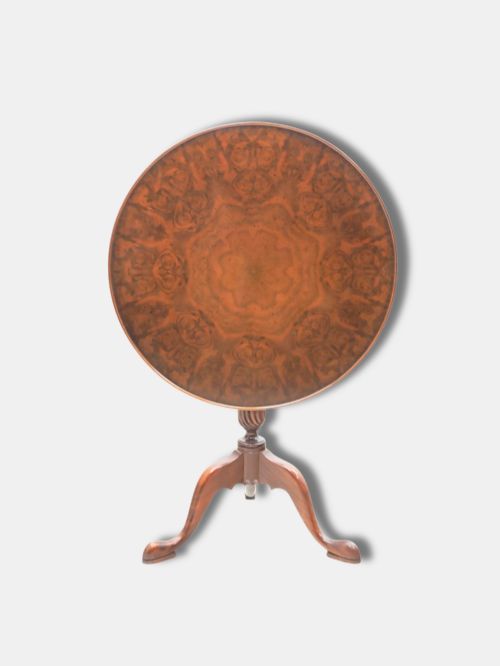
The presence of original hardware, such as brass drip trays, matching hooks, or maker signatures, substantially elevates an object's integrity. Material selection also dictates worth, with dense burr walnut or patinated solid bronze castings standing apart from utilitarian pine or secondary softwoods.
Tortoise-shaped brass smoking stands provided Victorian and Edwardian smokers with a whimsical spot to deposit ash.
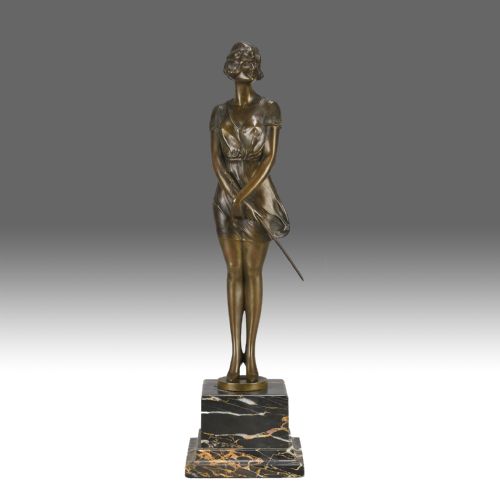
Bruno Zach·Kunio Ito·Brook and Son·U Phone
The Early 20th Century Stand Glossary
- Bentwood
- Wood shaped by applying steam to soften the grain before bending it into curves. This technique produced lightweight, resilient coat and hat stands.
- Jardiniere
- An ornamental pot or stand designed to hold indoor plants or flowers. These items often feature waterproof liners or raised platforms.
- Stick Stand
- A dedicated piece of furniture designed to hold walking sticks and umbrellas, frequently incorporating a metal base tray to catch rainwater.
- Bidri ware
- A metalwork technique originating from India involving an alloy of zinc and copper inlaid with sheet silver. Such work appears on decorative items like candlesticks.
- Marotte
- A hat maker or milliner display head mounted on a wooden or metal stand. These served to shape and display ladies' millinery.
Early 20th Century Stand: Frequently Asked Questions
What distinguishes a hall stand from a plant stand?
Hall stands are larger, multi-functional pieces typically incorporating coat hooks, a mirror, glove drawers, and umbrella trays designed for entryways.
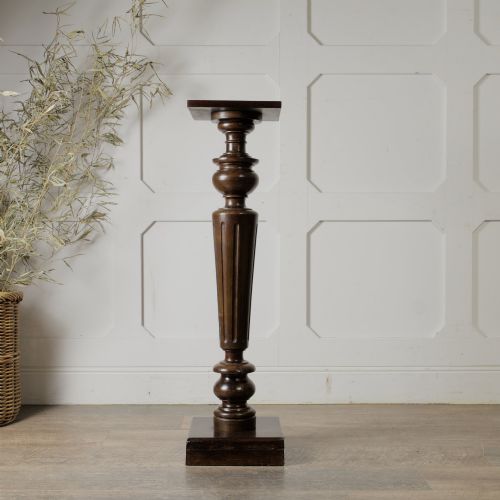
Plant stands are smaller, taller, and narrower pedestals built solely to elevate potted greenery or decorative vases.
How do I identify Arts and Crafts pieces?
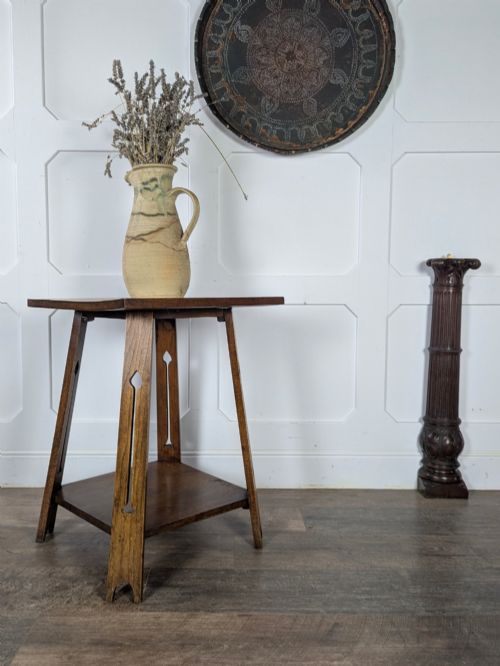
Arts and Crafts items emphasise honest construction, visible joinery, and natural oak timbers rather than heavy historical ornamentation.
They frequently feature hand-hammered metal details or simple geometric cut-outs that reflect the handmade ethos of the movement.
Were these stands made for specific rooms?
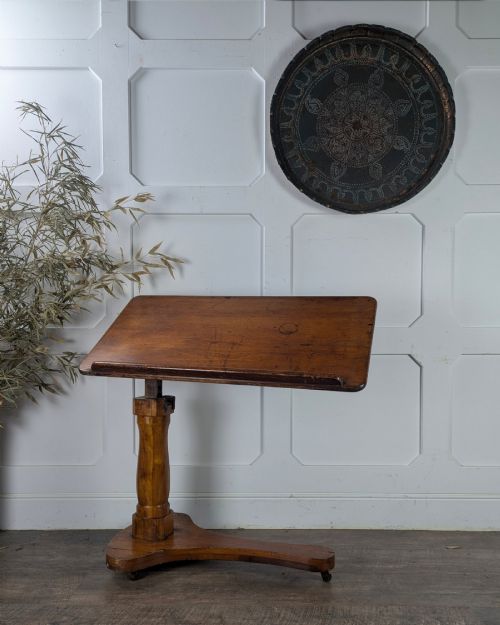
Many forms were strictly room-dependent, such as smoking stands for parlours, umbrella stands for hallways, and reading lecterns for libraries.
Others, like folding cake stands or occasional tables, were portable and moved around the home as needed for entertaining.
How can I tell the difference between Edwardian and Art Deco?
Edwardian designs tend to favour light mahogany timbers, satinwood inlay, and revived historical motifs from the Georgian or Sheraton periods.
Art Deco examples lean towards geometric shapes, streamlined forms, bronze elements, and more modernist materials developed by the 1920s and 1930s.