

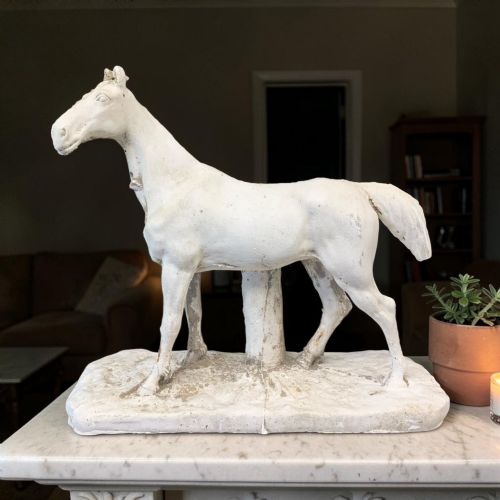


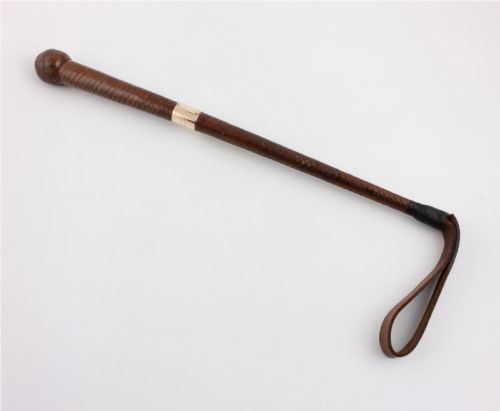


Early 20th Century Horse
An early 20th century horse captures the enduring equestrian fascination of the Edwardian era through diverse sculptural and painted mediums.
Early 20th Century Horse
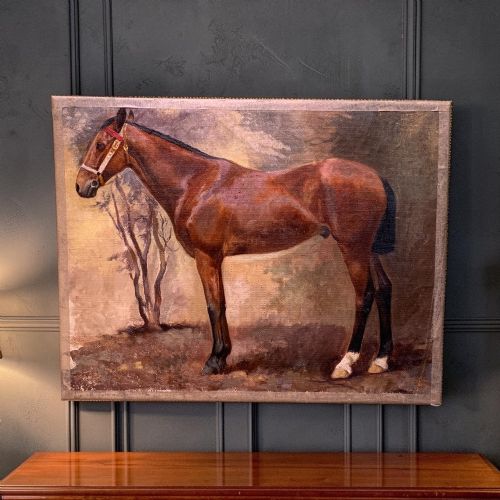
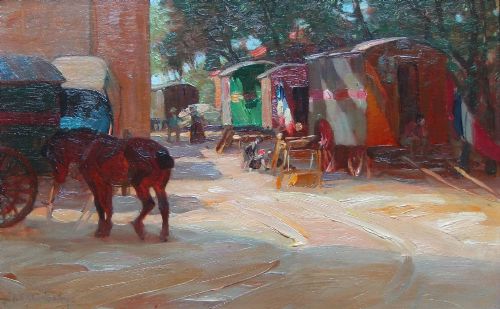
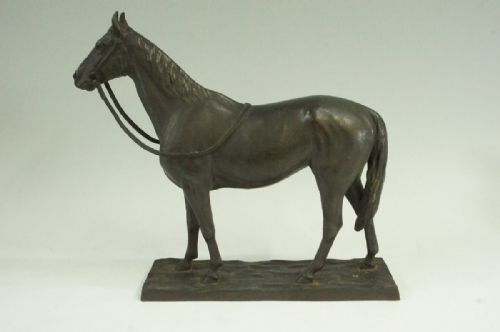
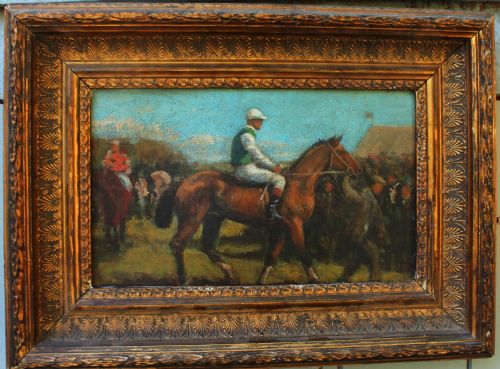
An early 20th century horse encompasses a broad range of artistic and functional objects reflecting equine importance in daily life, leisure, and sport. Buyers encounter everything from fine art paintings and delicate watercolours to cast bronzes and carved wooden fairground or rocking figures.
The selections span distinct cultural origins, including British sporting scenes, continental European animalier bronzes, and Japanese metalwork. Animal studies, working farm horses, and dynamic racing subjects dominate the forms available in this category.
Folk art pieces like sheet metal weathervanes and trade signs sit alongside academic canvases and studio plaster casts. This variety allows collectors to choose between formal portraiture, lively folk expressions, and sculptural depictions.
Materials and construction techniques
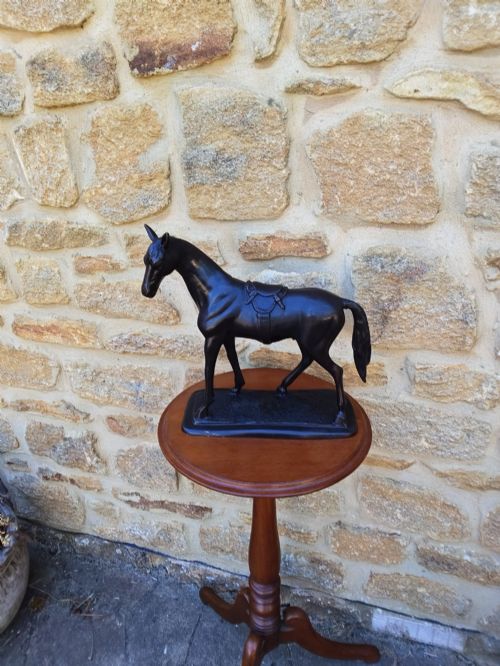
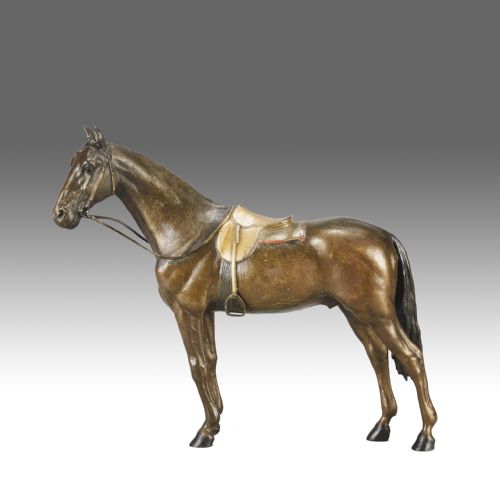
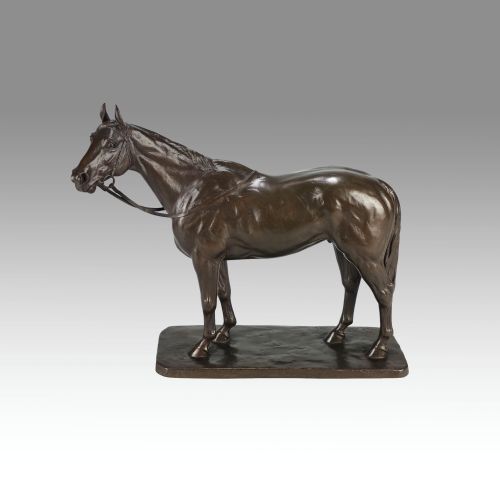
Metalworking techniques shape many sculptural examples, utilising bronze cast via the lost-wax method, cold-painting, spelter, and beaten sheet copper or zinc. Artisans often applied meticulous hand-colouring to small Austrian bronzes or shaped robust exterior trade signs from durable sheet metal.
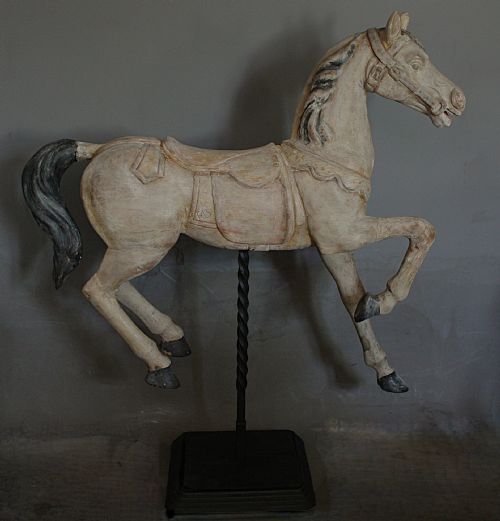
Wood serves as the primary medium for substantial objects, seen in carved rocking horses with horsehair fillings, pine display figures, and articulated fairground carousels. Painters worked with oil on canvas or board, alongside delicate watercolours and pastels executed on paper.
Makers integrated various traditional craft methods, combining carved wooden bodies with leather tack, gesso coatings, and layered oil paints. Sculptors also employed plaster casting and ceramic glazing to achieve detailed finishes on figures.
Listings feature works spanning from the Edwardian era through the 1930s, executed in oil, watercolour, bronze, wood, and metal.
Distinctions in craftsmanship and execution
Anatomical precision and vitality separate exceptional sculptural pieces from simpler commercial output. Master modellers captured muscle tension, movement, and expression with striking accuracy, whereas lesser works rely on rigid postures and generic forms.
The integrity of surface finish dictates the desirability of painted and patinated items. Original cold-painting on bronze, undisturbed brushwork on oil paintings, and preserved pigments on wooden fairground figures retain the intended visual impact of the maker.
Context and authorship elevate individual pieces. Signed works by noted artists and founders demonstrate superior technical execution and command greater academic interest than unsigned anonymous studio items.
Franz Bergman·Kunio Itô·Lines Brothers
The Early 20th Century Horse Glossary
- Animalier
- A style focusing on the realistic portrayal of animals, particularly popular among nineteenth and early twentieth-century sculptors. These works capture creatures in naturalistic or dramatic motion.
- Cold-painted bronze
- A technique where bronze sculptures are painted with polychrome oil or enamel paints without subsequent firing. This method allows for intricate surface detail and vivid colour.
- Spelter
- An alloy of zinc and copper often used as a less expensive substitute for bronze in decorative figures and lamps. It was frequently patinated to imitate solid bronze.
- Fairground figure
- A carved wooden animal, such as a carousel horse, produced for amusement rides. These pieces typically display robust construction and bold decorative paint schemes.
Early 20th Century Horse: Frequently Asked Questions
How do I date an early 20th century horse?
Dating relies on stylistic markers, framing methods, and material signatures typical of the period from 1900 to 1930. Signatures, foundry marks, and exhibition labels often provide precise temporal reference points.
Changes in manufacturing techniques, such as the transition from handmade wooden joints to early industrial metal fabrication, also help distinguish the exact decade of creation.
Where were these pieces originally displayed?
Sculptures and paintings typically graced domestic interiors, libraries, and estate offices as symbols of sporting pursuits. Larger carved figures occupied commercial spaces, amusement parks, and children's nurseries.
Outdoor objects like weathervanes and trade signs stood exposed to the elements atop commercial buildings or rural properties.
How should I care for a painted wooden horse?
Painted wooden items require stable indoor humidity and protection from direct sunlight to prevent paint flaking and wood splitting. Dusting gently with a dry, soft cloth preserves the original surface finish.
Avoid liquid cleaners or chemical polishes, as these substances can dissolve fragile historic binders and pigments.