


Early 20th Century Bracket
An early 20th century bracket brings architectural structure and decorative utility to a room, spanning functional wall supports and traditional timepieces.
Early 20th Century Bracket
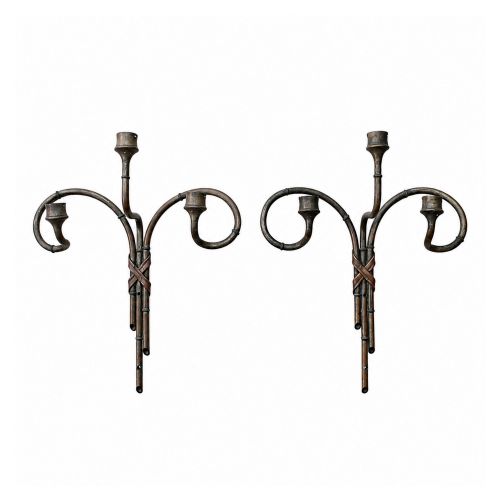
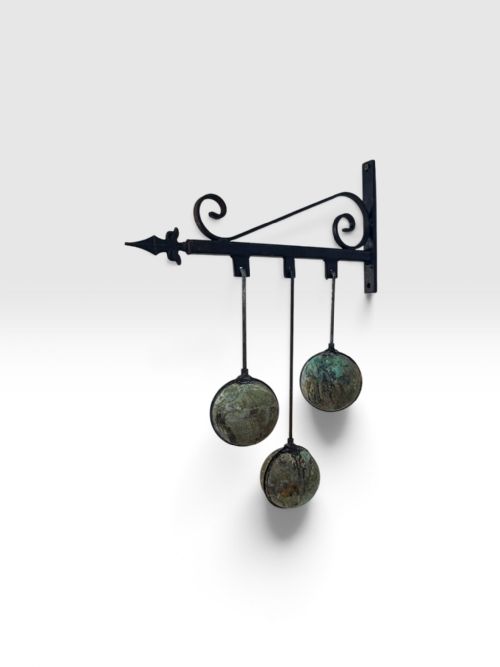
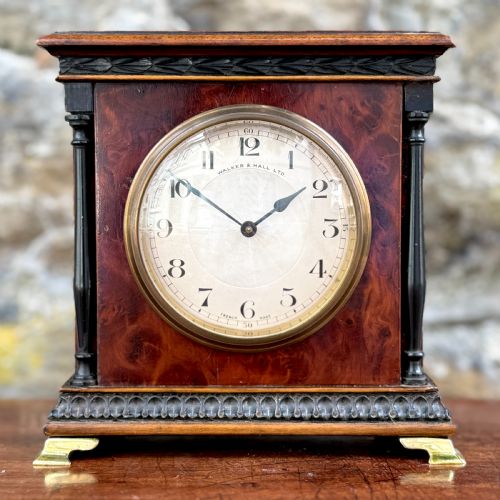
When you search for an early 20th century bracket, you encounter a diverse selection of objects ranging from functional wall mounts and trade signs to mantel and bracket clocks. The pieces on this page cross multiple forms including wall lights, sconces, tallboys, chests of drawers, and architectural salvage.
The objects stem from the Edwardian era through to the 1930s, capturing stylistic revivals such as Georgian, Neoclassical, Rococo, and Japonisme alongside practical shop fittings. Wall lights and wall sconces in brass, copper, and glass appear frequently alongside timber pieces in mahogany, burr walnut, and oak.
Clock brackets and wall sconces dominate the selection, offering both the mechanical timekeeping of the period and the decorative metalwork used for mounting architectural elements. Buyers frequently find paired wall lights and specialised signage brackets reflecting the commercial and domestic interiors of the era.
Materials and Construction
Makers utilised durable metals such as brass, copper, patinated metal, and wrought iron to form the structural mounts, brackets, and wall lights seen in the inventory. These metals were frequently paired with glass, crystal, and carved giltwood or toleware to achieve ornate finishes.
Cabinetmakers constructed furniture and clock cases from dense hardwoods including mahogany, burr walnut, and oak, often incorporating fine inlay work. Metalwork involved casting, patination, and hand-finishing, whilst wooden pieces relied on traditional joinery techniques suited to tallboys, chests, and bureau desks.
The inventory encompasses wall lights, mantel clocks, trade signs, tallboys, bracket clocks, architectural salvage, and wall mirrors.
Assessing Quality in Early Pieces
The distinction between standard items and finer examples rests upon the crispness of casting in the brass or giltwood components and the depth of timber grain in the mahogany or walnut. Superior pieces exhibit hand-finished details, integrated patination, and robust structural integrity across joints and hanging points.
Design ambition separates basic utility items from exceptional decorative pieces, particularly where stylistic revivals like Rococo or Neoclassical motifs are executed with precision. The integration of original glass, authentic movements in clock brackets, and well-preserved surface finishes elevate the standing of any object.
Walker and Hall·FHS
The Early 20th Century Bracket Glossary
- Bracket clock
- A portable clock originally designed to sit upon a wall bracket, though later examples sat upon tables or mantelpieces. These timepieces often feature mechanical movements housed in wood or metal cases.
- Wall sconce
- A decorative wall-mounted lighting fixture designed to hold candles or electric bulbs. They frequently incorporate reflective backplates made of brass, giltwood, or glass.
- Toleware
- Painted or enamelled metalware, typically tin or steel, used for decorative accents on lighting fixtures and wall ornaments. It provides rich colour and surface texture.
- Tallboy
- A tall chest of drawers consisting of a chest stacked upon another, popular in mahogany and walnut during the period. They maximise storage while maintaining a narrow footprint.
- Giltwood
- Wood that has been coated with a thin layer of gold leaf or gilt powder for a decorative finish. It is commonly found on mirrors and wall sconces from revival periods.
Early 20th Century Bracket: Frequently Asked Questions
How do I mount a heavy wall bracket?
Heavy wall brackets and architectural metalwork require secure fixings into solid masonry or direct attachment to wall studs. Using appropriate wall plugs and screws ensures the weight of brass or iron fixtures is safely distributed.
For delicate plaster walls, professional installation prevents structural damage and guarantees that heavier items like large mirrors or timber shelves remain firmly supported.
Are these clocks still in working order?
Many bracket and mantel clocks retain their original mechanical movements, though operational status varies across individual pieces. Some require professional servicing or adjustment to keep accurate time after transport.
Clock movements from this era typically feature pendulum or spring-driven mechanisms that benefit from careful handling and periodic maintenance by a horologist.
How do I clean brass wall lights?
Brass components respond best to gentle dusting with a soft cloth to preserve their natural surface texture and historic patination. Avoid harsh chemical polishes that strip away the aged character accumulated over decades.
If the metal requires deeper cleaning, mild soapy water applied sparingly and dried immediately prevents moisture damage to surrounding wood or glass elements.
What is the difference between a sconce and a wall light?
A wall sconce traditionally refers to a decorative bracket fixed to a wall for holding lights, often featuring a decorative backplate. Wall lights encompass a broader category of electrical or candle-bearing fixtures mounted directly onto vertical surfaces.
Both serve similar functional and decorative roles in interior spaces, though sconces frequently lean towards ornamental metalwork or giltwood designs.
How do I identify an Edwardian bracket?
Edwardian pieces often display lighter proportions and refined revival styles influenced by Georgian and Neoclassical designs. The use of brass, polished mahogany, and delicate inlay work helps distinguish items from this era.
Examining the construction methods, such as screw types and joinery, provides further clues to dating an object accurately alongside any remaining maker marks.