





Early 20th Century Bedside
When choosing an early 20th century bedside piece, you select functional companion furniture that brings period character to a sleeping space.
Early 20th Century Bedside
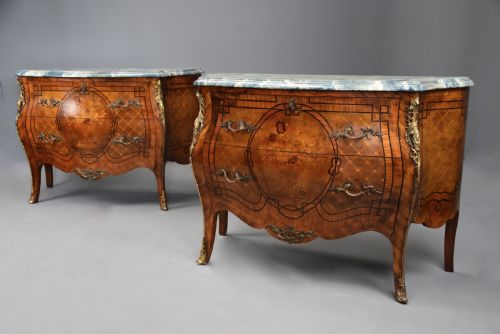
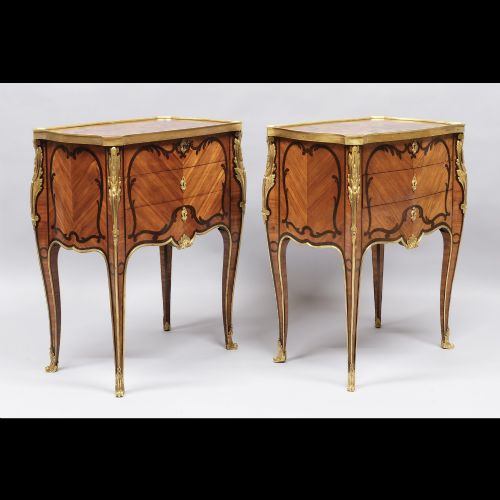
The early 20th century bedside category spans compact cabinets, chests, commodes, and lighting designed to sit beside a bed. You encounter timber cabinets in mahogany, oak, walnut, and kingwood, frequently featuring cupboards or drawers for nighttime storage.
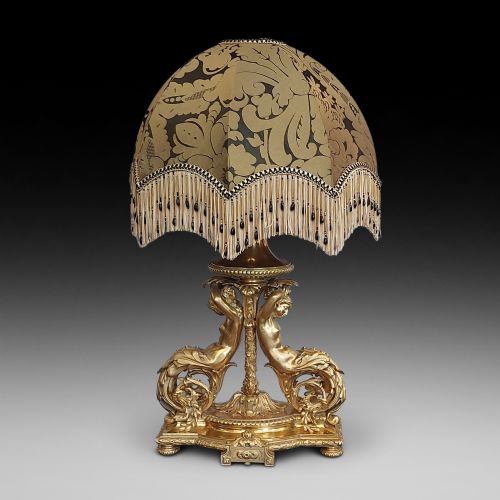
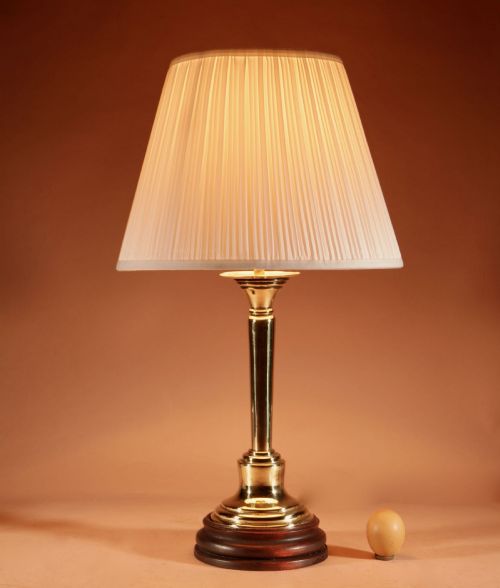
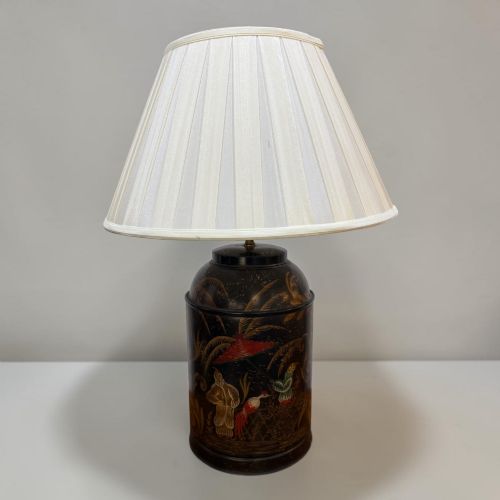
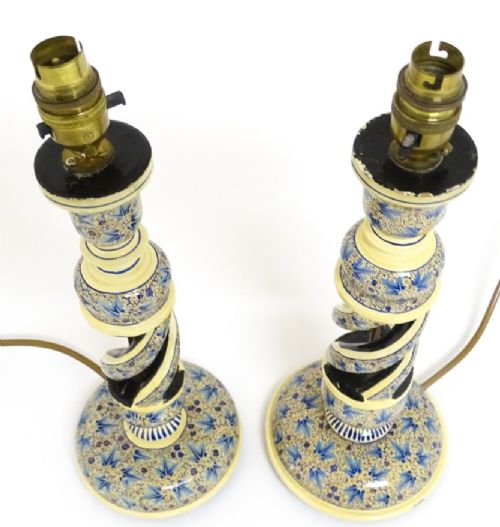
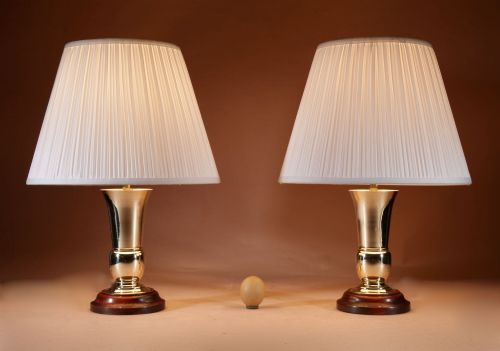
Many examples emerge as pairs, particularly among French commodes with marble tops and British mahogany bedside cupboards. Table lamps in brass, glass, and ceramic also populate this group, reflecting the period's domestic lighting requirements.
How they were made
Cabinet makers utilised solid woods and veneers including satinwood, birch, and figured walnut, often applying marquetry, parquetry, or hand-painted Chinoiserie decoration to surfaces. Ormolu mounts and marble tops frequently complete the construction of French commodes and bedside tables.
Metalwork lighting utilises cast and pressed brass, silver plate, and ormolu, paired with components such as opaline glass, crystal, and white onyx. Joinery techniques combine traditional dovetail drawers with applied mouldings and turned or fluted wooden supports.
Early 20th Century Bedside Retail Price Guide 2026
Typical asking prices for early 20th century bedside among the pieces listed under this phrase on Sellingantiques today, from the lower quarter to the upper quarter. They describe what is for sale here now, not the wider market.
What varies in quality
Distinctions in quality rest upon the selection of timber veneers, the crispness of inlay work, and the weight of metal mounts. Finely figured mahogany and intricate kingwood parquetry indicate superior cabinet making compared to plain painted surfaces.
Hardware and secondary materials also set pieces apart, such as heavy marble slab tops, cast ormolu mounts, and substantial brass fittings rather than lighter stamped components.
WAS Benson·Sormani·Farraday and Son·Mappin and Webb
The Early 20th Century Bedside Glossary
- Ormolu
- Gilded bronze mounts applied to furniture, common on French revival pieces. This technique adds decorative metallic detail to corners and legs.
- Marquetry
- Inlaid wood designs forming decorative patterns on cabinet surfaces. Craftsmen assemble contrasting wood veneers to create geometric or floral motifs.
- Commode
- A low chest of drawers or cabinet with doors, often topped with marble. This form serves as both storage and a display surface beside a bed.
- Parquetry
- Geometric wood mosaic work used for flooring and furniture tops. Small blocks of timber are arranged in repeating patterns.
- Chinoiserie
- European decorative art imitating Chinese artistic styles. Painted scenes on cabinets display traditional motifs and figures.
Early 20th Century Bedside: Frequently Asked Questions
Are early 20th century bedside cabinets usually sold as pairs?
Many bedside cabinets and tables from this era survive as matched pairs due to their original placement on either side of a bed. Single pieces also appear regularly among surviving inventories.
Matching pairs tend to command higher interest from collectors seeking symmetry in bedroom furnishing schemes.
What wood types dominate these bedside tables?
Mahogany represents the most frequent timber choice, alongside oak, walnut, birch, and kingwood. Cabinet makers utilised these woods both as solid primary materials and as decorative veneers.
Inlaid pieces often incorporate contrasting woods like satinwood to create geometric borders and panels.
How do I identify French styles in these pieces?
French bedside tables often feature bombe silhouettes, Kingwood veneers, marble tops, and cast ormolu mounts. These characteristics reflect Louis XV and Louis XVI revival tastes popular during the period.
Painted night tables with delicate gilding also point toward continental workshops.
Did bedside lighting exist in the early 20th century?
Table lamps in brass, crystal, and glass were widely produced alongside traditional candle lamps and early electric fittings. Materials like opaline glass and white onyx frequently formed the bodies of these light sources.
Many lamps accommodate contemporary electrical standards while retaining their original patinated metal components.