



Dutch Table Cabinet
These Dutch table cabinet examples combine fine marquetry and practical form, offering exceptional storage alongside striking period design.
Dutch Table Cabinet
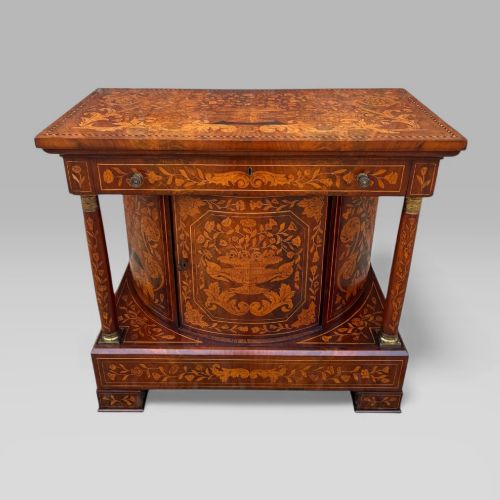
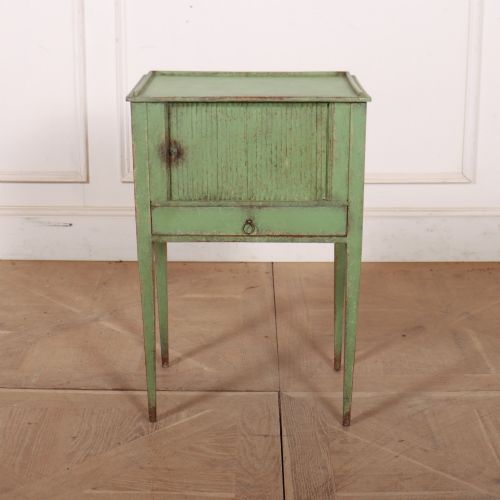
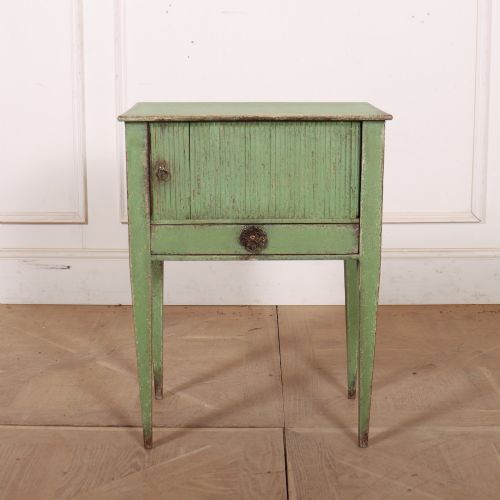
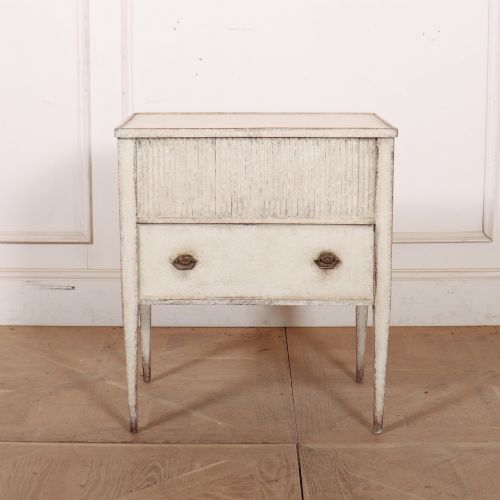
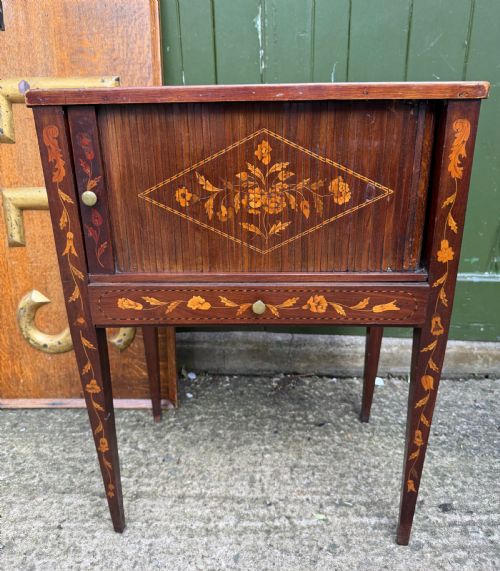
A dutch table cabinet brings together surface display and concealed storage, appearing in forms ranging from console wall tables to bedside cupboards and dressing tables. Buyers searching this phrase encounter pieces that span the eighteenth century into the Victorian era, reflecting varied regional tastes and domestic needs. The most frequent encounters on this page include bedside cabinets, dressing tables, and compact display pieces.
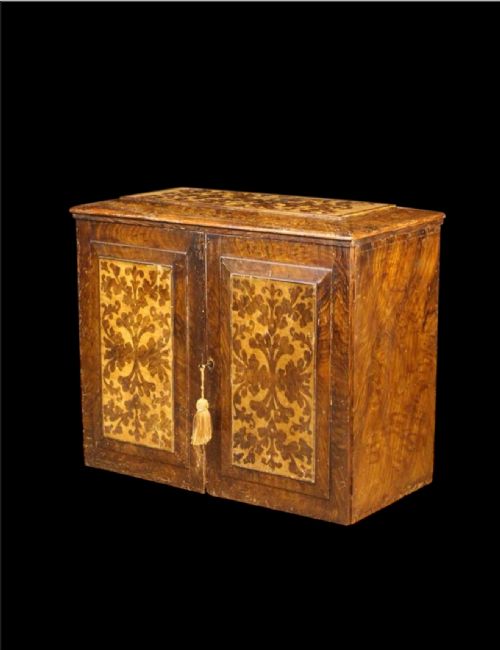
Makers shaped these items using styles such as Dutch marquetry, Dutch provincial, and baroque designs, often incorporating floral inlay or painted wood finishes. Proportions remain domestic and functional, designed to sit neatly against a wall or beside a bed while providing secure compartment space. These forms show how cabinet makers adapted larger architectural storage ideas into portable furniture for affluent homes.
How they were made
Craftsmen built these cabinets using primary timbers like mahogany, walnut, and fruitwood, often backed by softer woods for interior framing. Marquetry and parquetry panels required meticulous hand-cutting of veneers, laying contrasting woods and dyed fruitwoods into elaborate floral or geometric patterns. These decorative surfaces were then polished and oiled to bring out the natural grain and colour variations.
Structural elements frequently include brass mounts, tambours, and specialised feet, which required precise metalworking and joinery skills. Painted examples received multiple layers of pigment, sometimes over softwood, creating smooth matte surfaces that endured daily use. Every joint relied on traditional woodworking methods suited to the particular timber and form of the cabinet.
Dutch Table Cabinet Retail Price Guide 2026
Typical asking prices for dutch table cabinet among the pieces listed under this phrase on Sellingantiques today, from the lower quarter to the upper quarter. They describe what is for sale here now, not the wider market.
Listings span the eighteenth and nineteenth centuries, featuring walnut, mahogany, and fruitwood marquetry across console, bedside, and display forms.
What varies in quality
Quality rests upon the precision of the marquetry and the choice of timbers, where dense mahogany and richly figured fruitwood command greater appreciation. The complexity of the floral inlay and the alignment of the veneer across drawer fronts and doors reveal the maker's skill. Finer items exhibit sharper carving, seamless tambour action, and original brass fittings that complement the overall design.
Construction methods also distinguish standard provincial work from higher-status pieces, particularly in the hidden secondary woods and drawer linings. Surface finishes that retain their depth without modern intervention indicate careful preservation over centuries. Subtle details in proportion and edge moulding separate competent provincial workshop production from master cabinet work.
The Dutch Table Cabinet Glossary
- Marquetry
- Decorative veneer work forming pictures or patterns by using small pieces of wood, shell, or ivory. This technique defined much of the high-end furniture production in the Netherlands during the eighteenth century.
- Demi-Lune
- Half-moon shape in furniture design, typically seen on the tops and fronts of console tables and cabinets. Such curved forms required specialised bending and veneering techniques.
- Tambour
- Sliding door constructed from narrow vertical strips of wood glued to a canvas backing, allowing it to curve around corners. It provides smooth access to small compartments within desks and bedside cabinets.
- Parquetry
- Geometric mosaic woodwork used for floors, box lids, or cabinet doors, similar to marquetry but strictly geometric. It creates rhythmic patterns using contrasting wood species.
- Casket
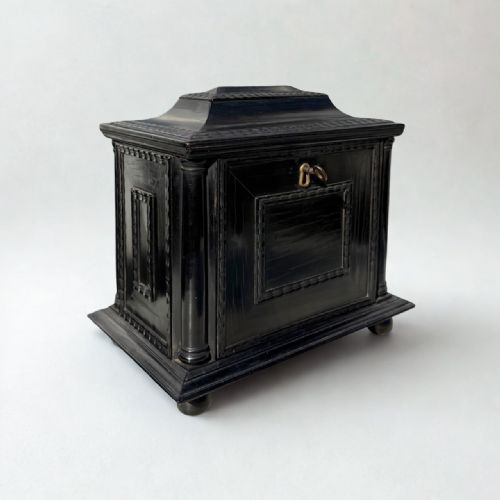
- Small ornamental box or chest used for holding valuables, letters, or precious items. These often feature elaborate parquetry or ebony work suitable for tabletop display.
Dutch Table Cabinet: Frequently Asked Questions
What rooms suit a dutch table cabinet?
These compact cabinets sit comfortably in bedrooms as bedside storage or in living spaces as console and display pieces. Their modest scale allows them to function as decorative accents without dominating a room.
Their enclosed storage keeps small items tidy, while flat tops provide space for lamps, books, or decorative objects. Placing them away from direct heat sources ensures the veneers and timber remain stable.
How do I care for marquetry surfaces?
Maintenance requires keeping the timber away from direct sunlight and maintaining stable humidity to prevent the veneer from lifting. Gentle dusting with a dry, soft cloth preserves the polish without abrading the delicate wood inlays.
Periodic application of suitable furniture wax feeds the wood and maintains a soft sheen. Avoid modern silicone sprays, which can penetrate old finishes and damage the underlying glues.
How are eighteenth and nineteenth century pieces told apart?
Eighteenth-century examples often feature dense fruitwood marquetry with naturalistic floral motifs and substantial mahogany framing. They tend to show hand-cut joinery quirks and patination built up over long periods of use.
Nineteenth-century Victorian interpretations may incorporate machine-sawn elements or revivalist styles such as Flemish baroque details. The choice of secondary woods and the style of brass feet also help date the construction.
Were these cabinets used for storage?
Bedside cupboards and dressing tables provided private storage for personal items, nightwear, and grooming tools. Their small drawers and lidded compartments kept everyday essentials close at hand.
Display cabinets and caskets served a different domestic role by showcasing valued trinkets and curiosities to guests. This dual nature of display and concealment made them versatile items in period interiors.