





Dutch Style Light
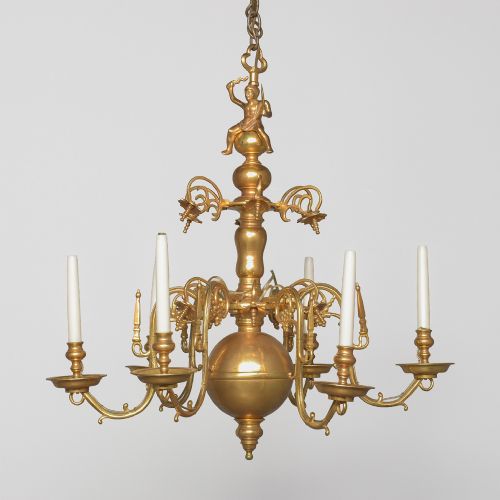
A dutch style light brings substantial metalwork and traditional multi-branched form into a room.
Dutch Style Light
When you search for a dutch style light, you find branching chandeliers, wall lights, and sconces rooted in historic Low Countries aesthetics. These pieces typically manifest as heavy brass or bronze multi-arm fixtures originating from periods spanning the eighteenth century through to the nineteen-thirties.
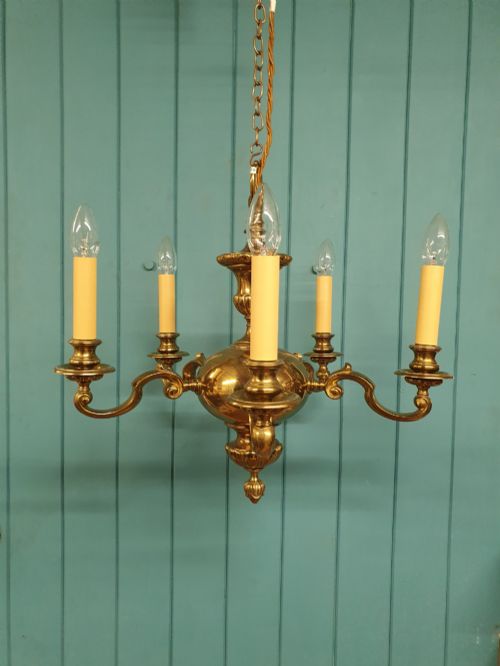
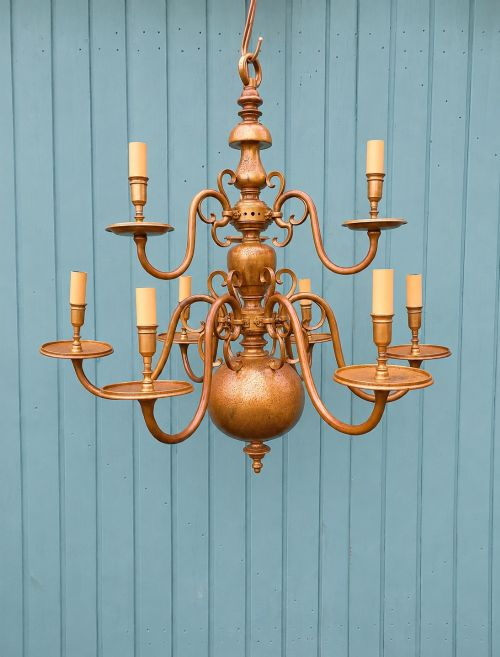
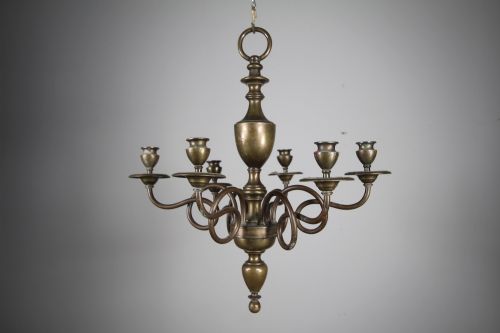
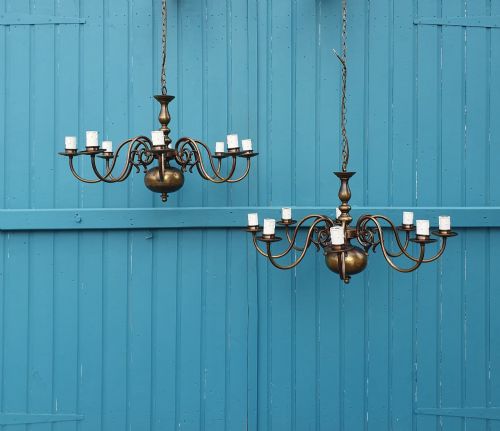
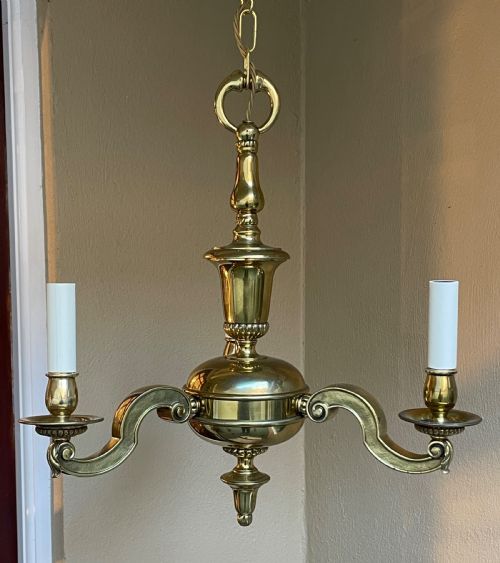
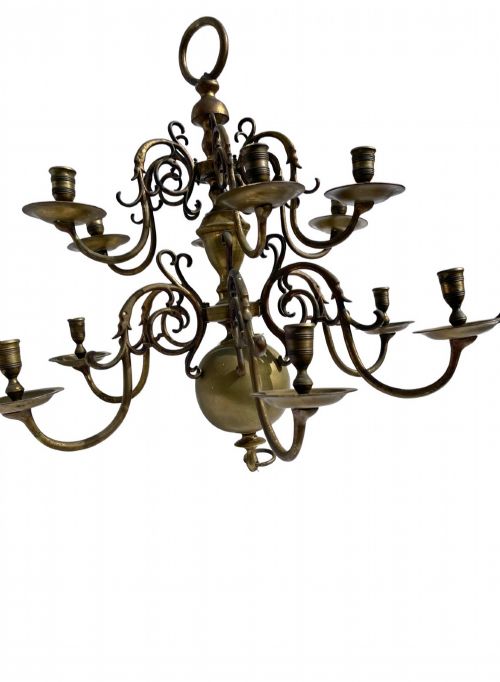
The most common examples on this page are brass and bronze chandeliers featuring numerous branches radiating from a central stem. These range from substantial twelve-branch ceiling pieces down to smaller three and five-branch hanging fixtures.
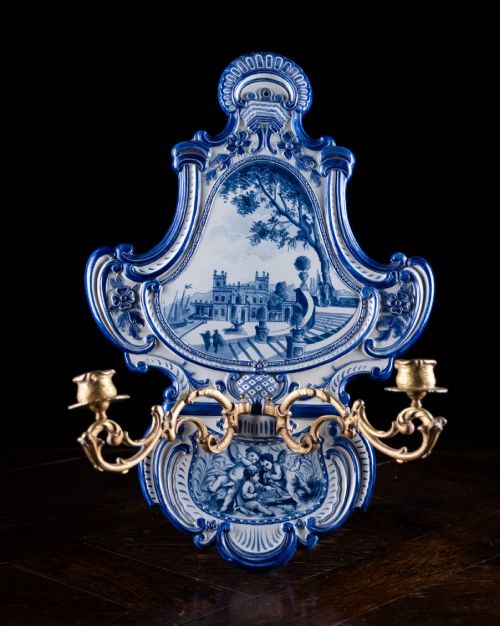
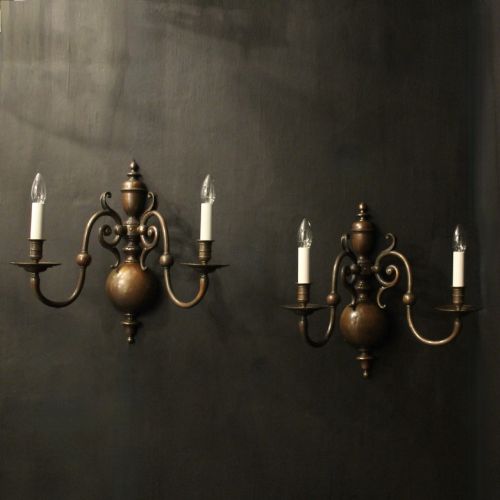
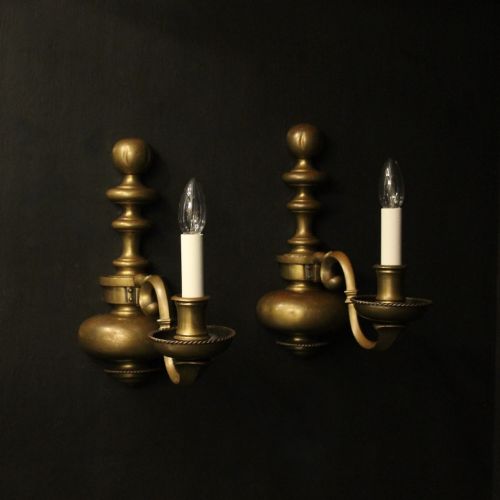
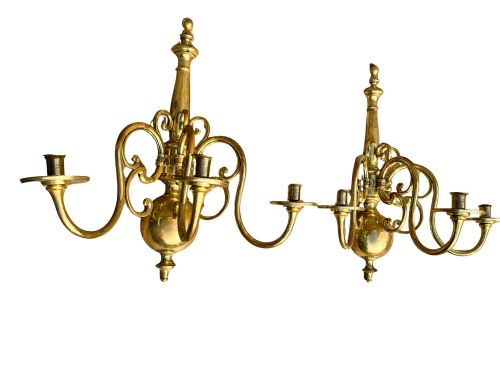
Alongside metal chandeliers, the selection includes wall sconces, brass candlesticks, copper wall lamps, and occasional variations incorporating ceramic elements like Delft pottery or wooden elements in the Amsterdam School style. Dating stretches from nineteenth-century revivals back to eighteenth-century originals.
Materials and construction
Construction relies heavily on cast and solid brass, bronze, and copper formed into multi-tiered armatures. Metals are often hand-chased to articulate decorative details along the stems and branches.
Additional materials appear in specific forms, such as ceramic inserts by makers like Villeroy & Boch, or fretwork wooden construction found in twentieth-century table lamps. Silver plating and fabric components also supplement the core metalwork.
Dutch Style Light Retail Price Guide 2026
Typical asking prices for dutch style light among the pieces listed under this phrase on Sellingantiques today, from the lower quarter to the upper quarter. They describe what is for sale here now, not the wider market.
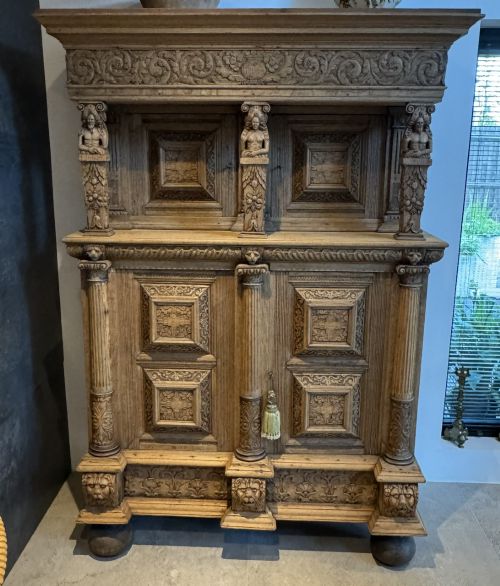
Object forms span chandeliers, wall sconces, table lamps, cabinets, and candlesticks.
Evaluating quality in these fixtures
Quality reveals itself in the weight and thickness of the metal casting, distinguishing solid brass and heavy bronze structures from lighter alternatives. Superior pieces demonstrate crisp chasing and secure joints across multiple tiers and branches.
Design complexity and proportion also differentiate the range, with larger multi-arm configurations and integrated decorative elements like Delft ceramic or hand-chased copper demanding greater technical skill during manufacture.
Villeroy and Boch
The Dutch Style Light Glossary
- Ormolu
- Gilt bronze ornamentation applied to furniture or lighting fixtures. This technique involves gilding a mercury-bronze amalgam onto the metal surface.
- Pricket
- A sharp metal spike on a candlestick designed to hold a candle in place. These spikes are typical of older ecclesiastical and domestic lighting forms.
- Sconce
- A wall-mounted lighting fixture designed to hold candles or electric bulbs. They often feature multiple branches or decorative backplates.
- Chandelier
- A branched, suspended lighting fixture designed for ceiling mounting. These fixtures carry multiple lights arranged across one or more tiers.
- Amsterdam School
- An architectural and design style from the early twentieth century characterised by expressive forms and traditional craftsmanship. Works in this idiom often utilise wrought metal and detailed woodwork.
Dutch Style Light: Frequently Asked Questions
What periods do these lights come from?
The pieces span from the eighteenth century through to the nineteen-thirties, encompassing various revival movements.
Nineteenth-century and early twentieth-century interpretations are particularly common alongside earlier designs.
How were these fixtures used originally?
These chandeliers and wall sconces provided illumination for large domestic or civic interiors by holding multiple candles.
Suspended from ceilings or mounted to walls, they served as both functional lighting and central decorative focal points.
What metals are most common?
Brass and bronze dominate the selection, appearing in solid cast forms across chandeliers and wall brackets.
Copper and silver plating also appear on specific pendant and wall-mounted pieces.
How do I identify a revival piece?
Revival pieces draw on Dutch Baroque and Flemish Renaissance styles while using manufacturing techniques from the nineteenth and early twentieth centuries.
Examining the casting quality and overall construction helps distinguish these later interpretations from eighteenth-century originals.