



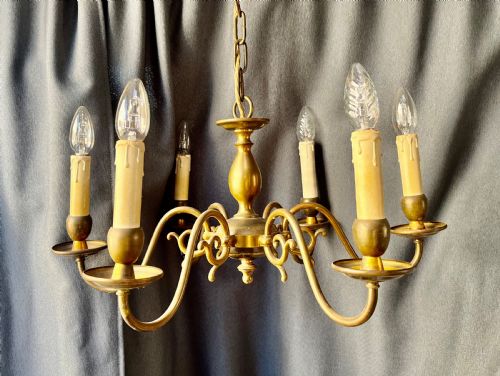
Dutch Style Brass Light
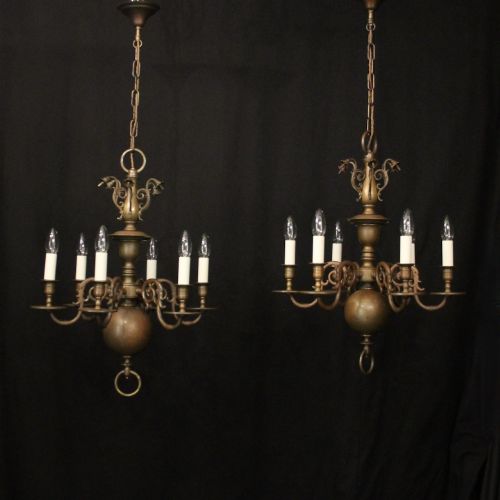
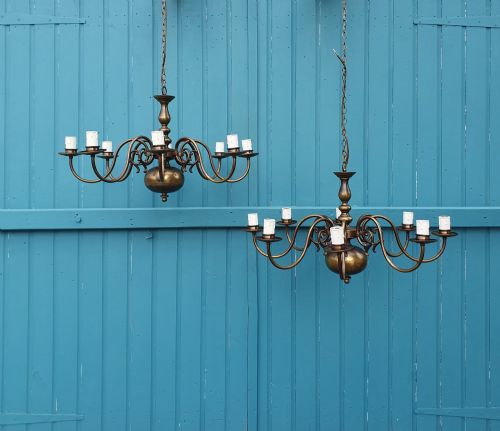
These heavy Dutch style brass light fixtures bring seventeenth-century maritime warmth and polished metal glow straight into a high-ceilinged room.
Dutch Style Brass Light
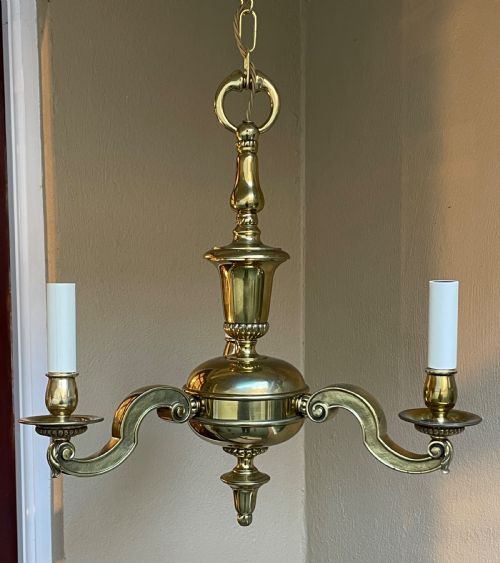
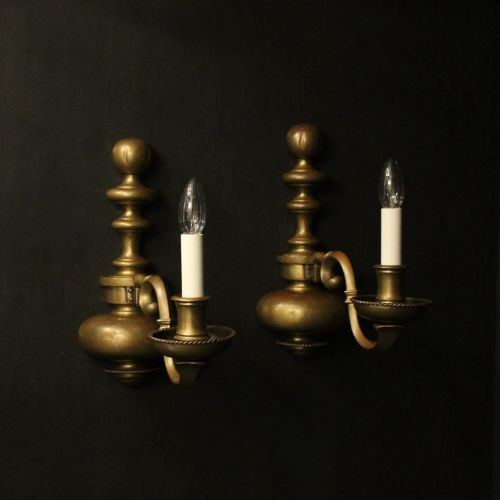
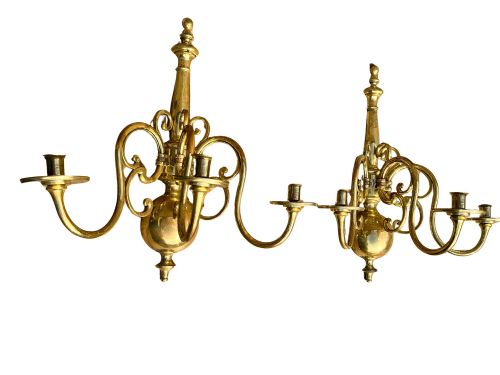
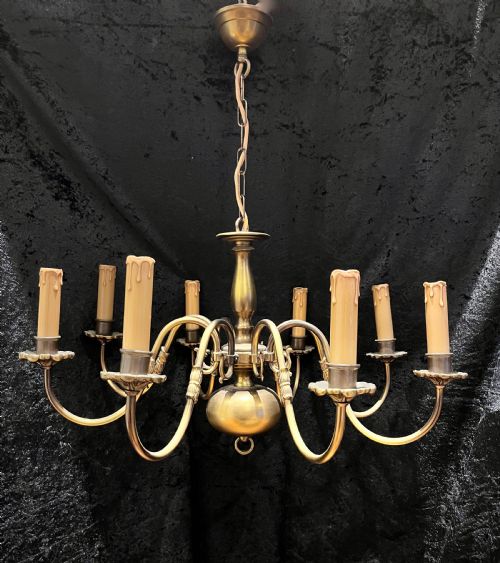
A dutch style brass light typically takes the form of a multi-branched chandelier or a sturdy wall sconce, drawing heavily on seventeenth-century Flemish and Dutch baroque traditions. These fixtures often feature sweeping arms and central baluster stems designed to catch and reflect candlelight or electric illumination.
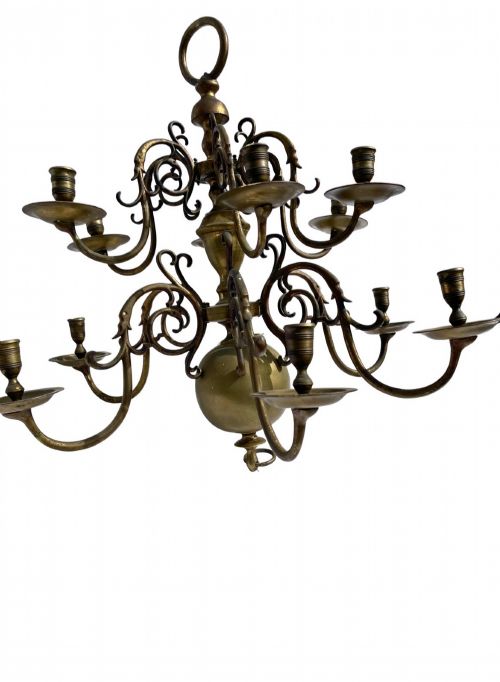
The versions most commonly met on this page span from the eighteenth century up through the Edwardian era and the early twentieth century. Buyers encounter everything from compact three-branch wall brackets to grand twelve-branch two-tier ceiling suspensions.
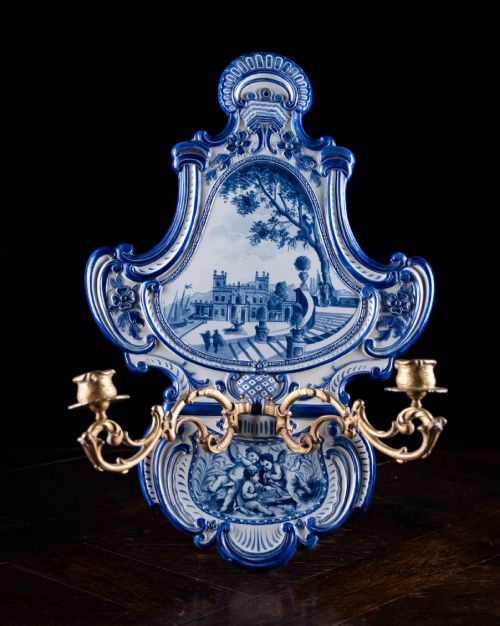
Many examples channel regional revivals, incorporating stylistic elements of Dutch baroque, Flemish renaissance, and even occasional art deco interpretations. Copper and bronze frequently join solid brass in the construction, alongside ceramic and ormolu details.
Materials and construction
Foundry work relied on heavy casting and hand-working of brass, bronze, and copper to build the robust skeletons of these chandeliers and sconces. Solid brass and cast brass components provided the structural integrity needed to support multiple sweeping arms without sagging.
Surface finishing involved meticulous polishing, turning, and occasional silver plating over the base brass. Artisans incorporated secondary materials like ceramic inserts and ormolu mounts to add textural contrast and decorative flair to the metalwork.
The listings span from the eighteenth century through the Edwardian period and into the early twentieth century, utilising solid brass, bronze, copper, and ceramic.
Distinctions in quality
The hierarchy of quality rests primarily on the crispness of the metal casting and the weight of the brass utilised in the arms and central baluster. Heavier, solid brass examples with hand-finished detailing sit well above lighter, mass-produced stamped metal alternatives.
Proportion and architectural balance dictate the visual success of a fixture, particularly in larger multi-tier chandeliers spanning several branches. Superior pieces maintain harmonious symmetry across every arm and bracket, demonstrating a maker's disciplined eye.
The Dutch Style Brass Light Glossary
- Ormolu
- Gilded bronze or brass applied as ornamental mounts. This decorative layer adds a bright golden contrast to darker patinated brass bodywork.
- Pricket
- A sharp spike on a candlestick or sconce designed to hold a candle in place. Early ecclesiastical styles frequently employ this method.
- Sconce
- A wall-mounted lighting bracket designed to carry candles or electric lamps. These fixtures project outwards to cast light across a room's perimeter.
Dutch Style Brass Light: Frequently Asked Questions
How do I clean a brass chandelier?
Dust the fixture gently with a soft, dry cloth to remove daily accumulation without disturbing the historical patina.
Avoid harsh chemical dips that strip away the aged surface character cherished by collectors.
Were these lights originally electrified?
Most antique examples began life burning candles before being professionally adapted for electricity in later decades.
Wiring is routinely updated to meet modern safety standards while preserving the original metal body.
How do I hang a heavy chandelier?
Suspension requires anchoring directly into ceiling joists or structural timber using rated steel fixings.
The substantial weight of solid brass and bronze demands professional installation to ensure absolute security.
What rooms suit a brass sconce?
Wall lights work effectively in hallways, dining rooms, and studies where directional illumination is needed.
Their projecting arms and reflective metal surfaces help brighten darker corners and panelled walls.