
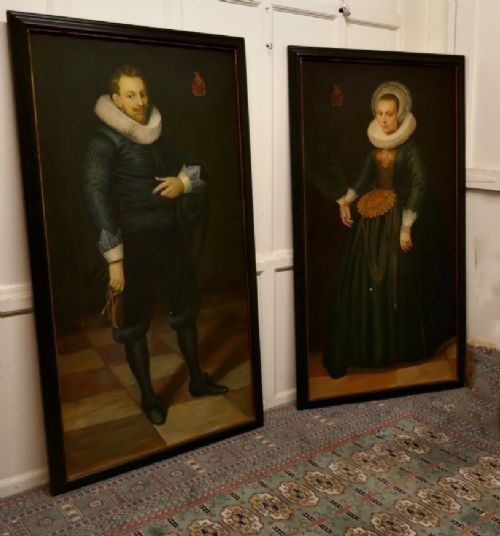
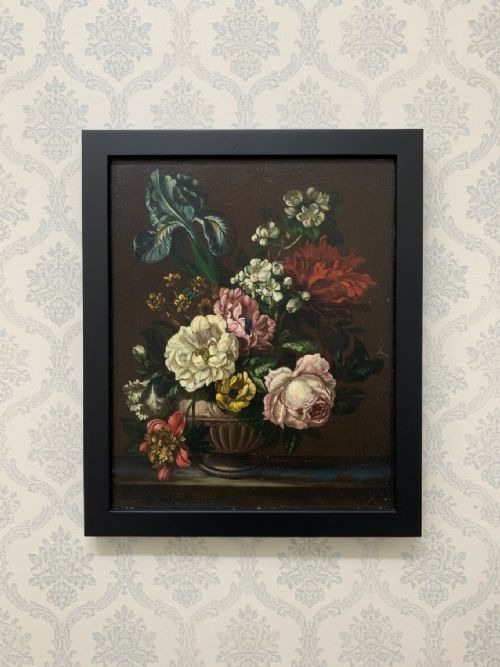
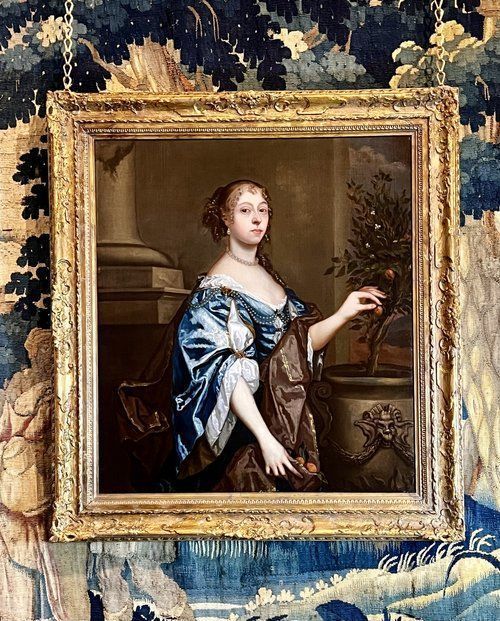
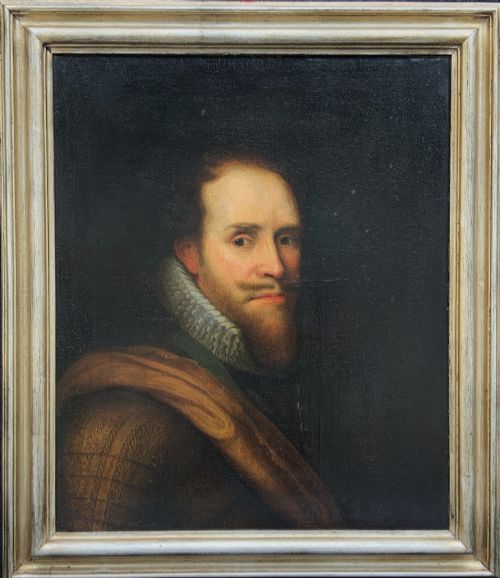
Dutch Master Painting
A dutch master painting captures the moody lighting and rich detail of the Golden Age, bringing centuries of European portraiture and still life into your interior.
Dutch Master Painting
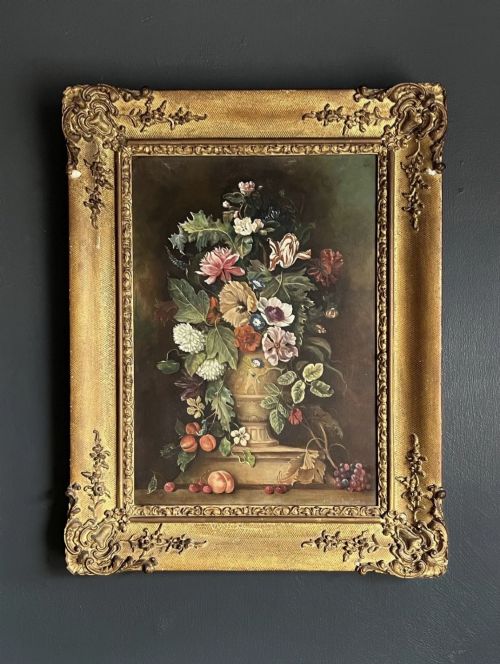
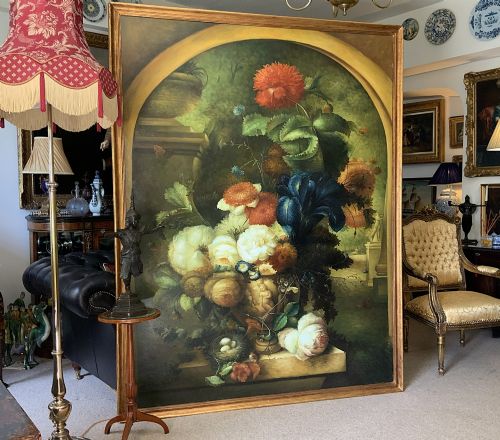
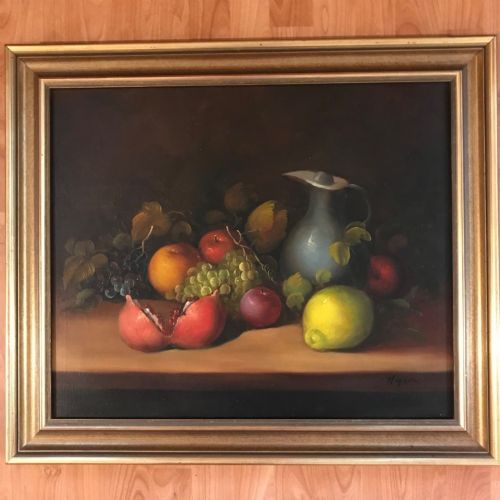
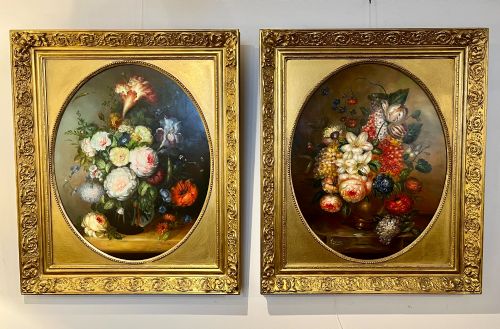
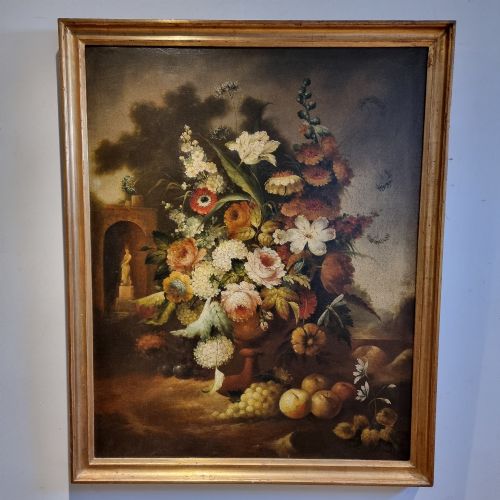
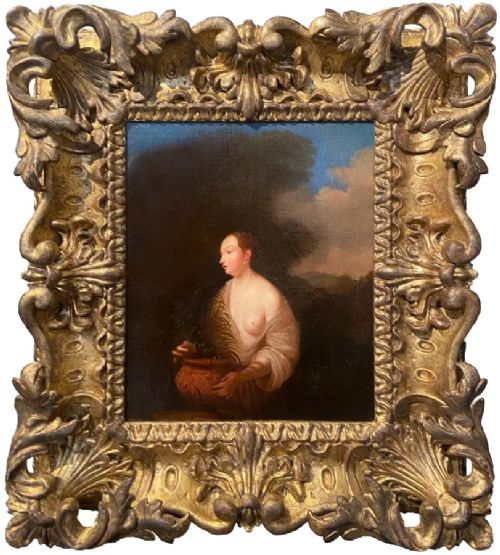
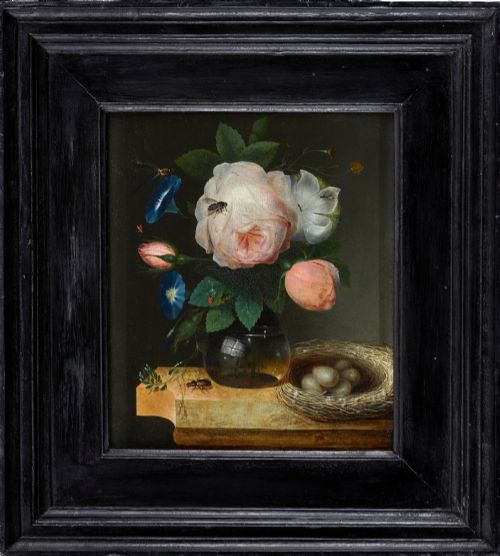
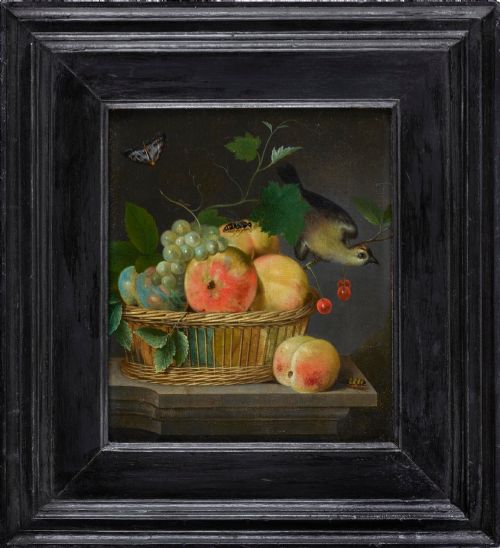
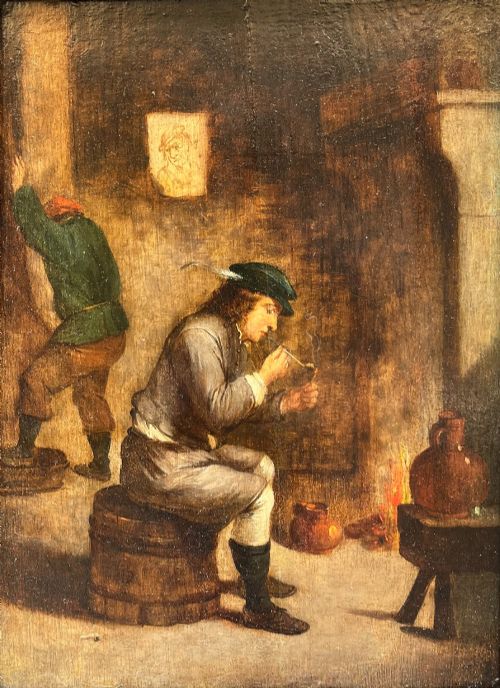
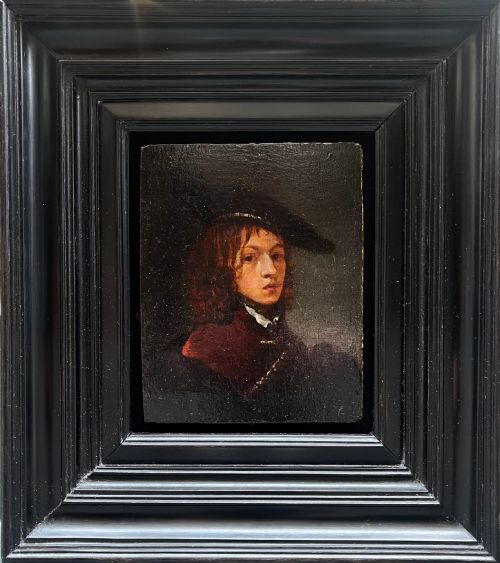
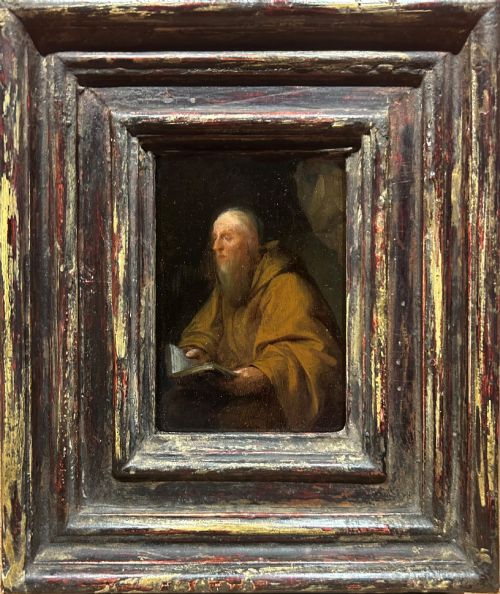
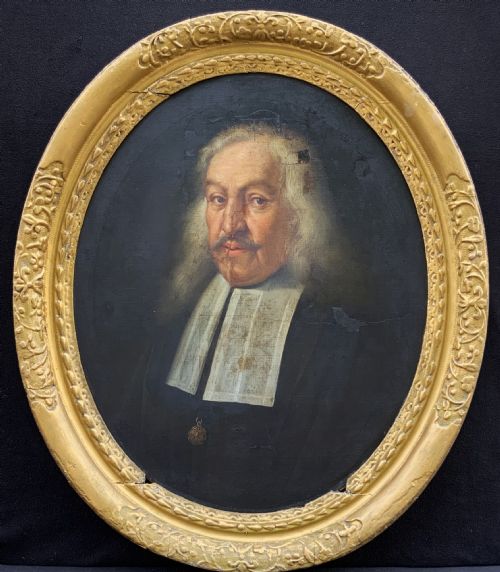
A dutch master painting encompasses historic oil works created during the seventeenth century alongside later revivals from the nineteenth and twentieth centuries. These pieces typically depict solemn portraits, elaborate floral arrangements, and tavern scenes reflecting the Dutch Golden Age and Flemish Baroque traditions.
Materials and methods
Artists built these compositions using oil paint applied to woven canvas or prepared wooden panels, often utilising rich layers of pigment to achieve deep shadows and luminous highlights. Giltwood and gesso frames frequently complete the presentation, providing heavy ornamentation characteristic of the period.
Techniques relied on careful glazing and tonal contrast, allowing painters to render fabrics, flora, and flesh with striking realism. Later revivals mirrored these historical methods, utilising similar oil mediums and supports to emulate seventeenth-century aesthetics.
Listings feature works spanning the seventeenth century through the twentieth century, utilising oil on canvas, wood panels, and giltwood frames.
Markers of quality
Quality rests upon the confidence of the brushwork and the depth of the palette, separating standard decorative copies from pieces executed with genuine painterly skill. Masterful handling of light and shadow distinguishes superior examples, bringing texture and three-dimensional presence to fabrics and flora.
The integrity of the canvas or wood panel and the preservation of the original paint layer heavily influence the standing of a work. Period frames matching the age and style of the painting add considerable weight to the overall object.
Pieter Borseler·Gaspar Peeter Verbruggen·David Teniers·Rembrandt van Rijn·Nicolaes Maes·Jacob Huysmans
The Dutch Master Painting Glossary
- Oil paint
- A slow-drying medium consisting of pigments suspended in a drying oil, typically linseed, allowing for smooth blending and rich tonal depth. This medium defined the output of the European old masters.
- Panel
- A rigid wooden support used by painters instead of canvas, common in earlier periods. Panels were frequently prepared with gesso before painting.
- Giltwood
- Wood that has been treated with gold leaf or gold paint to give a metallic finish. These frames often accompany historic portraits and still lifes.
- Still life
- An artwork depicting inanimate subject matter, such as fruit, flowers, or domestic objects. Dutch examples are celebrated for their botanical precision and symbolic detail.
- Baroque
- An ornate artistic style originating around the seventeenth century, characterised by drama, tension, and deep chiaroscuro lighting. This aesthetic heavily influenced the Dutch school.
Dutch Master Painting: Frequently Asked Questions
How do I identify a period piece?
Examine the materials of the canvas and stretcher frame alongside the ageing of the oil paint, which often shows fine craquelure over centuries. Historic works usually exhibit hand-woven textiles and older preparation methods beneath the pigment.
Contextual clues such as costume details in portraits or framing styles also help indicate whether a work originates from the seventeenth century or a later nineteenth-century revival.
Where should I hang these paintings?
These dark and moody works suit traditional libraries, dining rooms, or hallways where controlled accent lighting can catch the highlights in the oil paint. Pairing them with neutral walls allows the rich tones of the canvas to stand out.
Avoid placing them in direct sunlight or areas with high humidity, as fluctuations in temperature can damage the canvas and wood panel over time.
What is the difference between an original and a later copy?
Seventeenth-century originals carry the direct hand of period masters or their immediate studio assistants, showing authentic age-related wear to the pigments and support. Later interpretations, painted in the nineteenth or twentieth century, often adopt the style while utilising modern canvas preparations.
Both categories hold decorative and historical interest, but period attribution requires careful analysis of pigment chemistry and panel construction.
How do I care for an antique oil painting?
Keep the surface clean by gently dusting the canvas with a soft, dry brush, taking care not to press against the paint layer. Maintaining a stable indoor climate prevents the wood panel or canvas from warping.
Professional conservation should be sought if the varnish yellows significantly or if small areas of paint begin to lift from the ground layer.