



Dutch Master Oil Portrait
When you search for a dutch master oil portrait, you are looking at centuries of rigorous portraiture originating from the Low Countries.
Dutch Master Oil Portrait
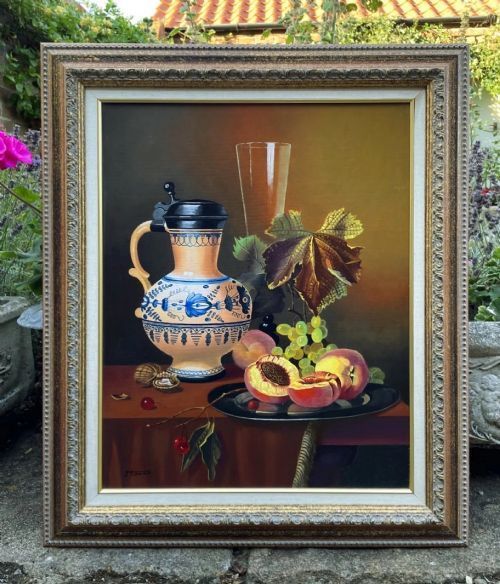
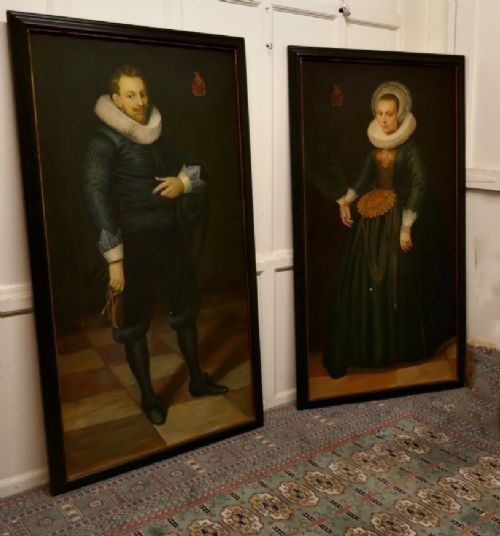
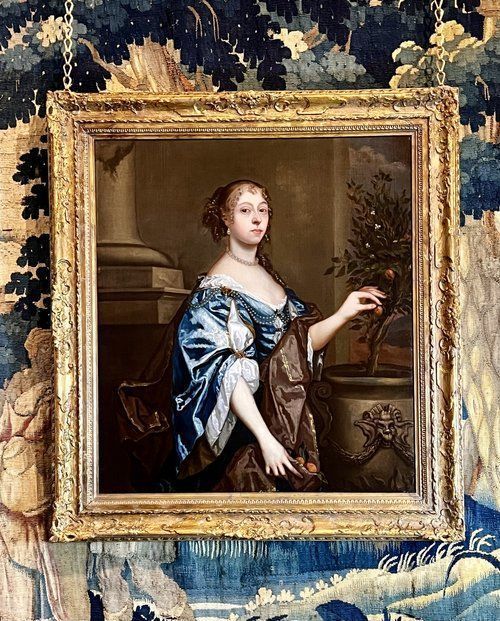
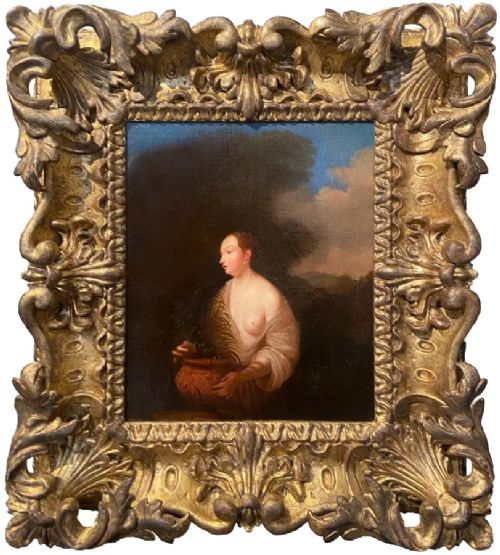
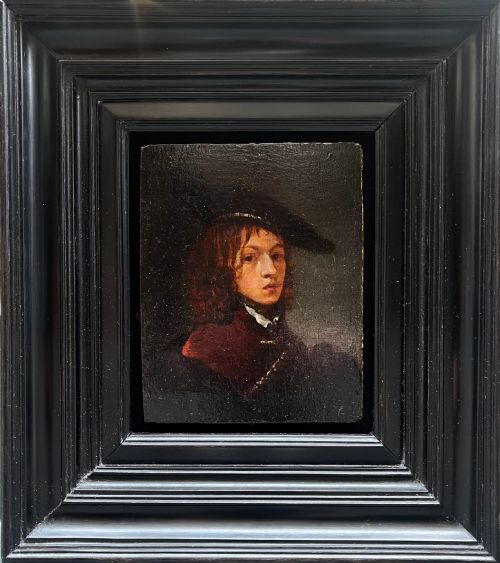
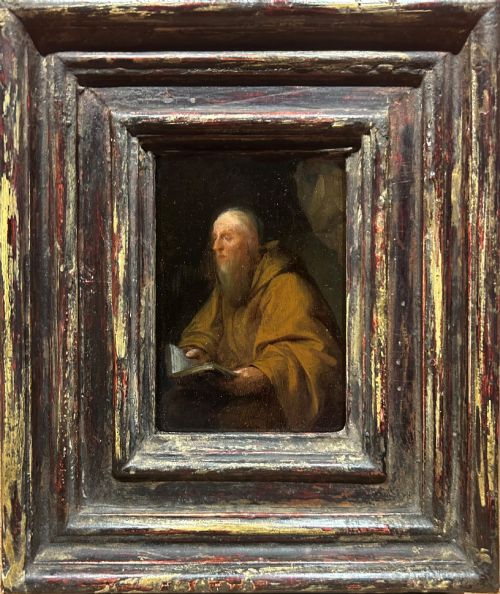
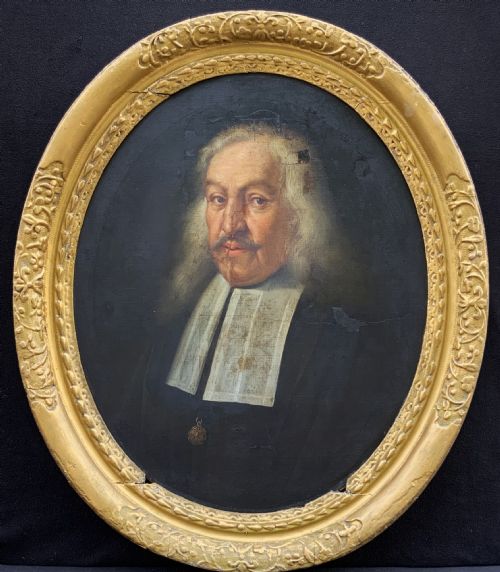
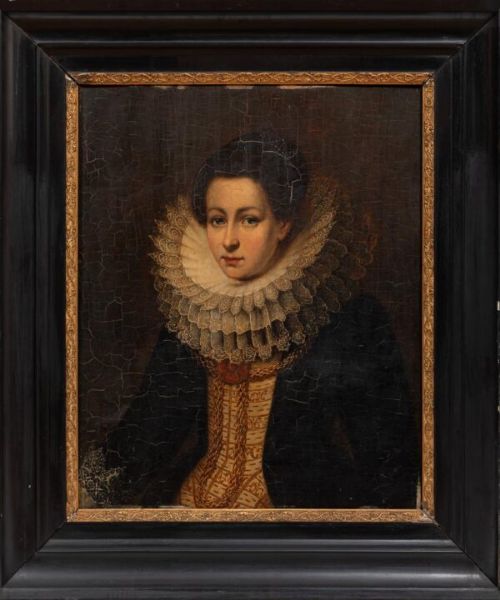
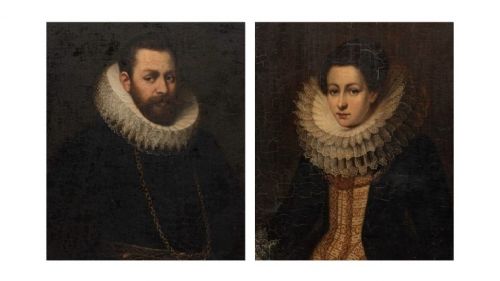
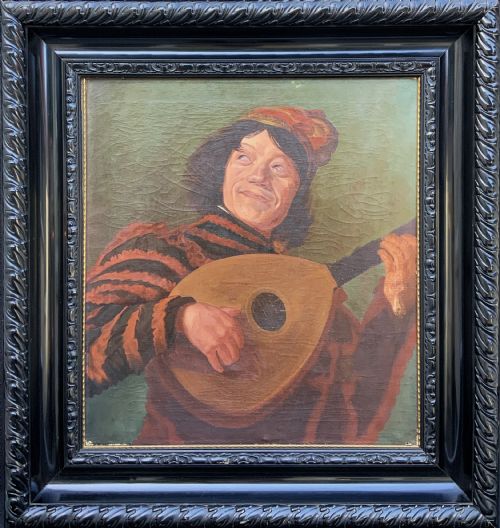
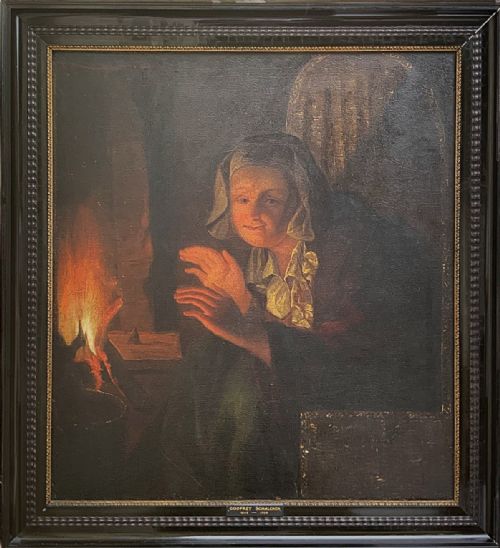
A dutch master oil portrait captures subjects ranging from noblemen and ladies in intricate ruff collars to musicians and ordinary citizens. These works emerge from diverse periods, spanning authentic 17th-century pieces to 19th-century interpretations and later studio adaptations.
Compositions often follow the stylistic conventions of the Dutch Golden Age and Baroque traditions, showing distinct regional schools. Buyers frequently encounter period originals alongside later homages painted in the manner of established masters.
Materials and Construction
Painters utilised oil paint applied to prepared canvas, wood panels, or copper plates to build rich, layered surfaces. Canvases are frequently stretched over wooden frames, while panel paintings employ solid timber supports.
Giltwood frames and gold leaf embellishments often complement the canvases, adding depth and structural weight to the completed artwork.
Several noble sitters wear impossibly stiff ruff collars that look like they required careful posture just to sit down for tea.
Assessing Quality and Execution
The sophistication of brushwork and the handling of light distinguish superior examples from simpler studio copies. Mastery in rendering textiles, such as white satin dresses or lace ruffs, indicates the skill level of the artist.
Provenance and attribution to a specific circle or known hand elevate the standing of a canvas. The depth of the sitter's characterisation and the preservation of the original pigment layers also dictate the overall caliber of the piece.
Pieter Borsseler·Nicolaes Maes·David Teniers The Younger·Frans Hals·Godfried Schalcken
The Dutch Master Oil Portrait Glossary
- Oil on Canvas
- A traditional painting medium where pigments bound in oil are applied to a woven fabric support. This combination allows for subtle blending and rich tonal variations.
- Wood Panel
- A rigid wooden support used by artists before canvas became dominant. These panels provide a smooth surface for detailed brushwork.
- Giltwood
- Wood carved and coated with gold leaf or metallic paint. It is commonly found on the frames housing traditional portraits.
- Baroque
- An artistic style prevalent in the 17th century characterised by dramatic lighting, deep shadows, and emotional intensity. Portraits from this era emphasise theatrical presence.
- Ruff Collar
- A pleated fabric neckpiece worn in the 16th and 17th centuries. Intricate versions are a defining feature of many aristocratic portraits from the period.
Dutch Master Oil Portrait: Frequently Asked Questions
Are all these portraits painted in the seventeenth century?
While many examples date from the 17th century, the selection also includes 19th-century revival works and later interpretations.
Buyers should examine the specific date assigned to each piece rather than assuming every portrait originates from the Golden Age.
What does attribution to a circle mean?
Attribution to a circle indicates that a painting was produced by an unidentified artist working closely within the workshop or immediate following of a master.
These works share stylistic traits with the named painter but lack direct documentation of the master's own hand.
How should I care for an antique oil painting?
Antique canvases and panels require stable indoor humidity and temperature to prevent cracking of the wood or paint layers. Keep them away from direct sunlight and source professional conservation for cleaning.
Dusting should be performed very gently with a soft, dry brush without applying pressure to the surface.
What is the difference between canvas and panel supports?
Canvas supports consist of woven fabric stretched across a wooden frame, offering some flexibility and texture. Wood panels provide a rigid, solid backing that often allows for finer, more minute detail work.
Both supports were widely used across different periods depending on the painter's preference.