


Dutch Master Fine Art
Dutch master fine art brings seventeenth-century portraiture and still life into your home with oil on canvas and giltwood frames.
Dutch Master Fine Art
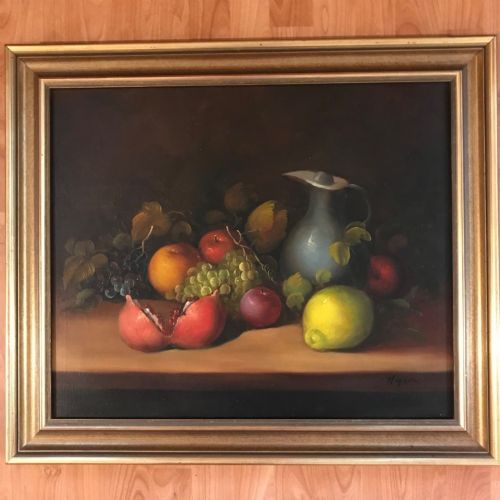
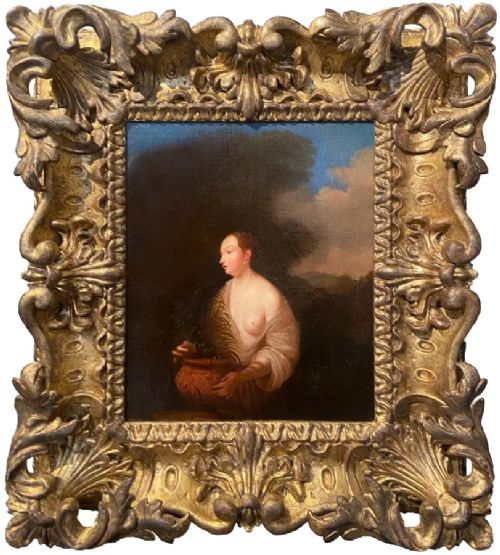
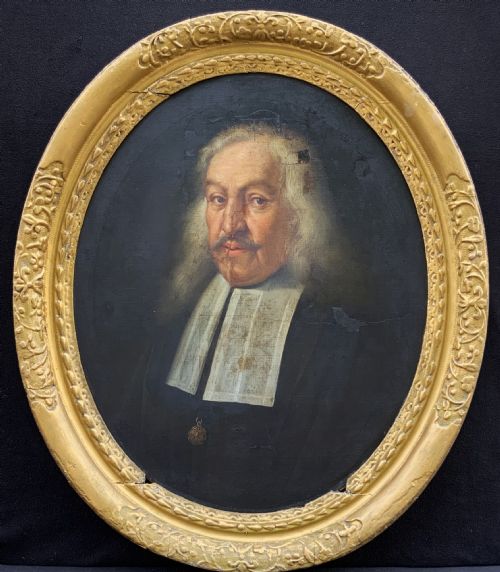
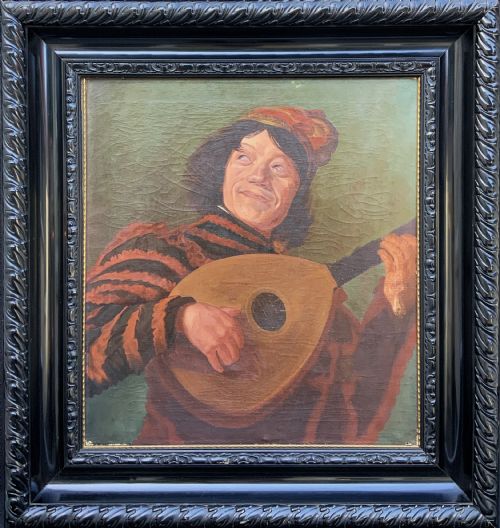
When you search for dutch master fine art, you encounter oil paintings and fine art prints spanning the seventeenth century and nineteenth century, alongside later revivals. These works predominantly take the form of oil on canvas, oil on copper, and etchings framed in giltwood.
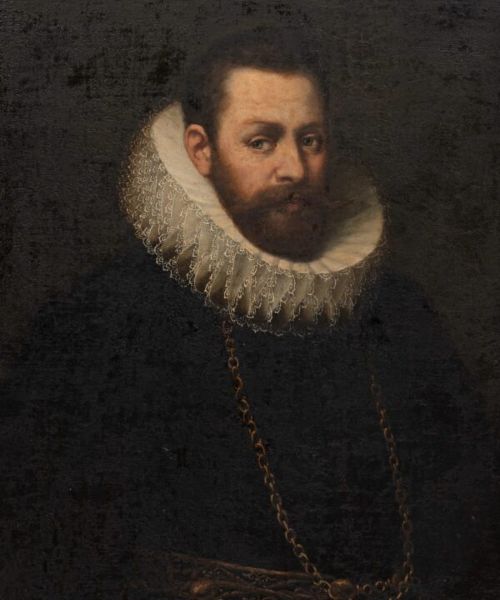
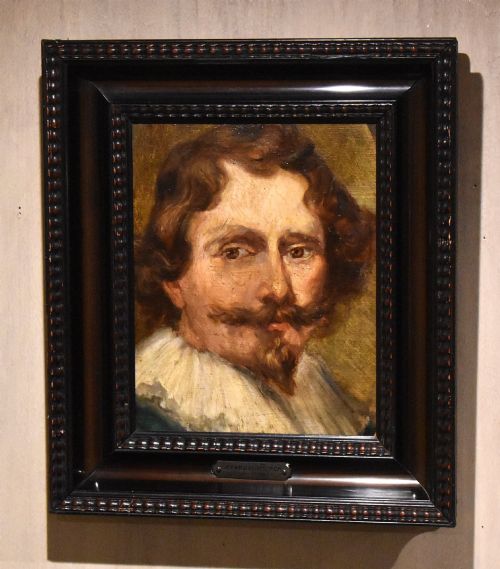
The subjects range from portraits of gentlemen in ruffs and elegant ladies in satin dresses to forest scenes, landscapes with rivers, and genre scenes at the hearth. Many pieces capture the distinct aesthetic of the Dutch Golden Age and Baroque style.
You will find original seventeenth-century works alongside nineteenth-century academic interpretations and later twentieth-century representations. The common thread is a deep engagement with classical realism and traditional Dutch painting techniques.
How they were made
These works rely on oil paint applied to prepared canvas, wood panels, or copper plates, allowing artists to build deep layers of translucent glaze and rich tone. The handling of oil on canvas creates the characteristic luminosity seen in portraits and landscape compositions.
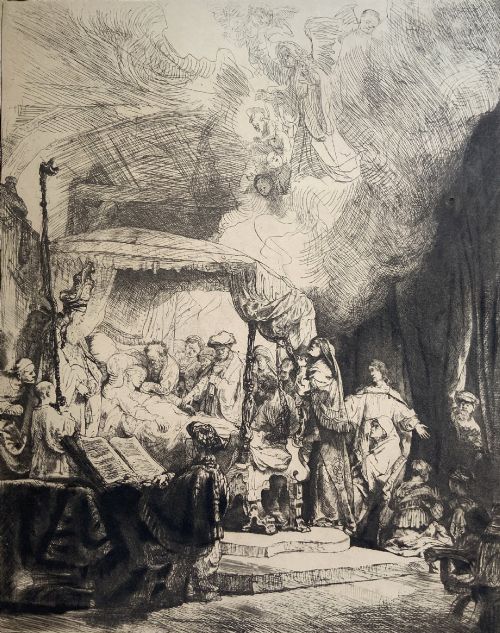
Frames are constructed from wood and finished with gilt or giltwood, framing the oil paintings to enhance their visual depth. Etchings such as those by Amand-Durand utilise ink on paper to replicate intricate lines from earlier plates.
One genre scene captures a quiet moment by the hearth, complete with a doggie.
What varies in quality
Quality rests in the handling of light, shadow, and facial expression within oil portraits and landscape scenes. The definition in drapery, such as the folds of a white satin dress or the texture of a ruff, separates accomplished hands from standard studio production.
The preservation of the oil paint layer and the integrity of the canvas or wood panel dictate the visual strength of the piece. Furthermore, the craftsmanship of the surrounding giltwood frame contributes to the overall presentation of the artwork.
Amand-Durand·Toussaint Gelton·Pieter Borseler·Frans Hals·Nicolaes Maes·Cornelis Van Poelenburgh·Rembrandt van Rijn·Jan Evert Morel·Willem Johannes Martens·Philips Wouwerman·Adriaen Hanneman·Bartholomeus Van der Helst
The Dutch Master Fine Art Glossary
- Oil on canvas
- Pigment mixed with drying oil applied to a woven fabric support. This combination allowed artists to achieve rich colours and subtle gradations of tone.
- Giltwood
- Wood carved and coated with gold leaf or a gold-coloured metallic finish. It provides a reflective, ornate border for oil paintings and fine art.
- Genre scene
- A painting depicting aspects of everyday life by portraying ordinary people engaged in common activities. These works capture domestic interiors and social moments.
- Etching
- A printmaking process where lines are incised into a metal plate with acid before ink is applied and transferred to paper. This technique permits fine, precise detail.
- Baroque style
- An artistic movement characterised by dramatic use of light and deep shadow, intense emotion, and dynamic movement. It defines many seventeenth-century compositions.
Dutch Master Fine Art: Frequently Asked Questions
What is dutch master fine art?
These pieces comprise oil paintings, etchings, and fine art prints created during the seventeenth and nineteenth centuries. They reflect the traditions of the Dutch Golden Age.
The works include portraits, forest landscapes, and genre scenes executed in oil on canvas, wood, or copper.
How do I identify a seventeenth century piece?
Examine the materials and the style of dress, such as ruffs or satin gowns, which match historical portraiture records. Attribution notes and artist signatures often provide further context.
Consult the framing materials and canvas preparation, as older works display distinct ageing characteristics in the oil paint.
What is the difference between an oil painting and an etching?
An oil painting uses coloured pigments suspended in oil applied directly to a canvas, wood, or copper support with visible brushwork. It offers layered depth and colour.
An etching is a printed work created from an inked metal plate, focusing on fine linear detail rather than layered pigment.