

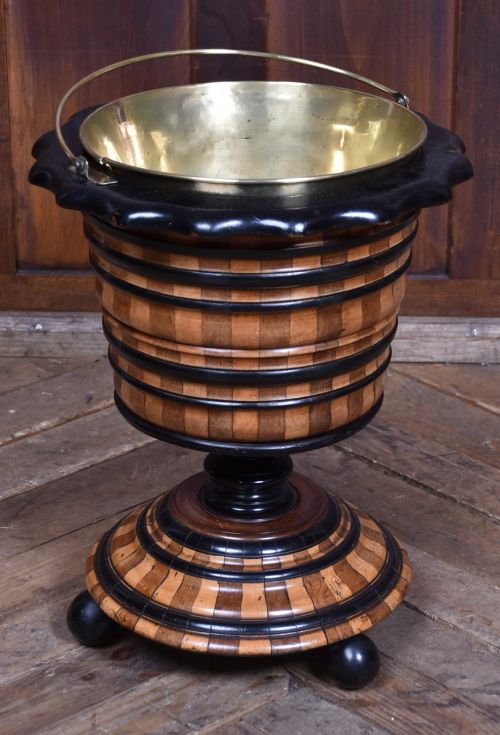
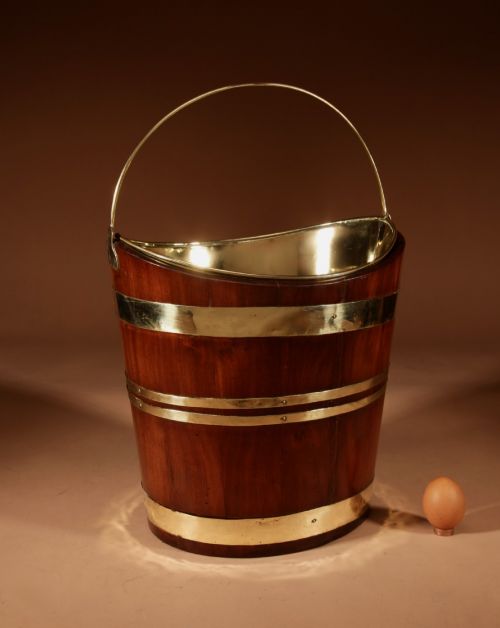
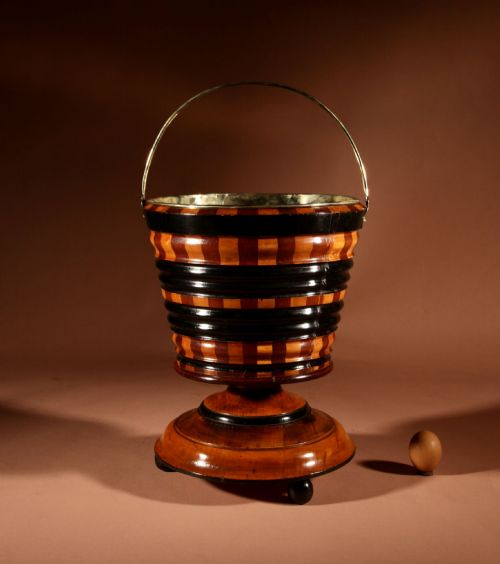


Dutch Coal Bucket
A dutch coal bucket is a sturdy hearth container built for solid fuel, bringing tactile history and practical utility to any fireplace.
Dutch Coal Bucket
A dutch coal bucket encompasses traditional hearth vessels designed for solid fuel storage, often taking the form of coopered wooden buckets or polished metal bins. The examples found here span several distinct periods including Georgian, Regency, and Arts and Crafts, reflecting domestic fireside habits across centuries.
You are most likely to encounter nineteenth-century coopered wood versions fitted with brass bands and liners, alongside distinctive boat-shaped vessels and traditional teestoof designs. These pieces function equally well beside a modern hearth or repurposed as decorative interior storage.
The styles range from Dutch traditional and colonial aesthetics to British interpretations with brass fittings and tavern scene engravings. Each piece demonstrates the enduring practicality of timber and metal construction applied to daily domestic warmth.
How they were made
Makers utilised traditional cooperage techniques to shape staves of mahogany, oak, fruitwood, and ebonised wood into watertight or sturdy cylindrical and boat-shaped bodies. These wooden structures were regularly secured with heavy brass bands and swing handles, combining structural rigidity with reflective metal accents.
Metal versions relied on beaten and riveted brass or copper sheets, sometimes embossed with figural motifs such as tavern scenes or coastal views. Liners made of metal or ceramic were frequently integrated to protect the outer structure from damp peat or coal dust.
Dutch Coal Bucket Retail Price Guide 2026
Typical asking prices for dutch coal bucket among the pieces listed under this phrase on Sellingantiques today, from the lower quarter to the upper quarter. They describe what is for sale here now, not the wider market.
Materials recorded across these listings include brass, copper, mahogany, oak, fruitwood, and mixed hardwoods.
What varies in quality
The distinction between standard utility items and finer examples rests on the crispness of the cooperage, the thickness of the timber, and the weight of the brass mounts. Tightly fitted stave construction and substantial brass bails indicate a higher grade of craftsmanship.
Decoration also sets pieces apart, with engraved tavern scenes or finely shaped boat profiles demanding greater skill than plain cylindrical bins. The presence of original liners and intact brass feet further elevates the standing of individual pieces.
The Dutch Coal Bucket Glossary
- Coopered
- Constructed from wooden staves joined side by side and bound with metal hoops, much like a traditional barrel. This technique ensures durable containment for heavy materials.
- Teestoof
- A traditional Dutch footstove or container historically used to hold hot embers or peat for warming. These often feature internal liners and characteristic wooden staves.
- Schuitje
- A boat-shaped vessel or container, describing the distinctive curved silhouette found on certain peat buckets and jardinières. The profile resembles a small wooden craft.
- Ebonised
- Timber treated with a dark stain or finish to imitate the appearance of ebony. This dark surface creates a sharp contrast against polished brass bands.
Dutch Coal Bucket: Frequently Asked Questions
What is a dutch coal bucket used for?
These vessels were originally designed to hold coal, peat, or wood near the fireplace for domestic heating. Today they serve as practical fireside storage or decorative planters.
Their robust construction allows them to hold logs, kindling, or magazines while adding historic character to a room.
How do I clean a brass and wood bucket?
Wood surfaces benefit from a gentle wipe with a soft cloth and occasional nourishing wax. Brass bands and liners can be polished with a mild metal cleaner if a bright shine is desired.
Harsh chemical abrasives should be avoided to preserve the historic patina on both the timber and the metal.
Are these buckets watertight?
Many coopered and metal-lined examples were built to hold damp peat or coal without leaking. However, timber staves can shrink over time with dry household heat.
If used as a plant holder or jardinière today, checking the interior liner prevents moisture from reaching the outer wood.
How can I tell the period?
Dating relies on observing construction methods, timber types, and decorative styles like Arts and Crafts or Georgian proportions. Hand-beaten brass and specific stave profiles offer clues to the era of manufacture.
Comparing the fixings, handle attachments, and wear patterns against dated examples helps narrow down the decade.