



Dutch Trinket Box
These pieces of dutch antique trinket box craftsmanship bring historical metalwork, carved wood and fine enamel directly into daily use.
Dutch Trinket Box
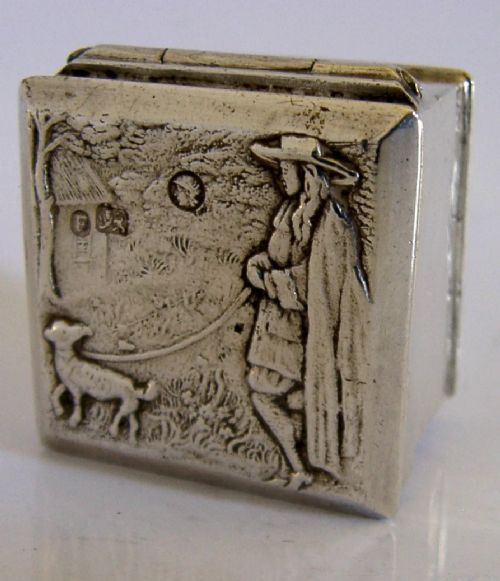
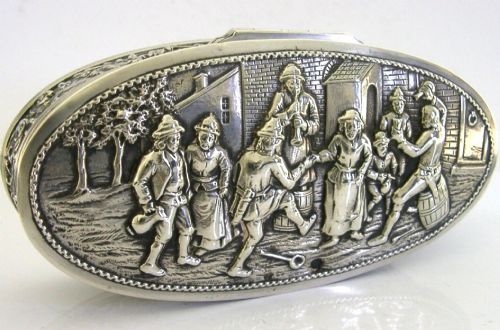
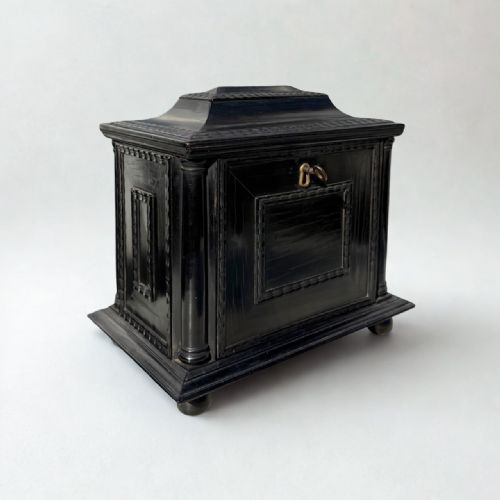
When you search for a dutch antique trinket box, you encounter a varied assortment of small containers originating from continental workshops and trade routes. The selection on this page spans solid silver, pewter, earthenware and hardwood forms designed for tobacco, snuff, patches and jewellery.
The most common examples you are likely to meet include nineteenth-century silver table boxes and snuff boxes alongside carved wooden caskets. These containers reflect both traditional domestic use and broader colonial influence during the seventeenth, eighteenth and nineteenth centuries.
Materials and construction
The metal pieces rely on solid silver, brass, pewter and copper, often shaped through detailed embossing, chasing and soldering. Tole ware and tin glaze earthenware introduce painted surfaces to the range of containers.
Wooden examples utilise hardwoods, ebony, parquetry and floral marquetry inlay, while specific pieces incorporate tortoiseshell or enamel panels. These diverse materials demonstrate traditional European cabinetmaking and metalworking techniques.
Dutch Trinket Box Retail Price Guide 2026
Typical asking prices for dutch trinket box among the pieces listed under this phrase on Sellingantiques today, from the lower quarter to the upper quarter. They describe what is for sale here now, not the wider market.
Quality and execution
Quality reveals itself in the crispness of chased decoration on silver surfaces and the precision of floral marquetry or parquetry inlay on wooden caskets. Superior examples display careful hand-painting on enamel panels or tin glaze earthenware rather than simple stamped repetition.
The weight of the metal and the snugness of the lid closure distinguish finer domestic containers from utilitarian items. Construction depth in hardwood and tortoiseshell pieces further separates standard production from exceptional workshop output.
The Dutch Trinket Box Glossary
- Marquetry
- The art of forming decorative patterns by fitting together small pieces of veneer. This technique appears on wooden caskets and table boxes.
- Snuff Box
- A small pocket-sized container for holding ground tobacco. These items often feature hinged lids and detailed metalwork.
- Tole Ware
- Enamelled or lacquered metalware, typically hand-painted. This material appears on tobacco containers within the selection.
- Parquetry
- Geometric mosaic woodwork used for surface decoration. It provides patterned texture on antique furniture and boxes.
- Tin Glaze
- An opaque white pottery glaze containing tin oxide. It serves as a ground for painted decoration on earthenware boxes.
Dutch Trinket Box: Frequently Asked Questions
What were antique Dutch boxes used for?
These containers held precious commodities such as snuff, tobacco, patches, betel nut and jewellery. Their varied sizes accommodated personal items carried on the person or kept on a dressing table.
Over centuries, households utilised them to secure small valuables away from dust and moisture. Today they serve a similar purpose for modern trinkets while functioning as decorative objects.
How do I date a silver trinket box?
Dating relies on assay marks, maker stamps, style periods and manufacturing techniques visible on the metal. Eighteenth and nineteenth-century pieces often display distinct chased motifs corresponding to their era of production.
Comparing the hinge construction and decorative style against documented examples helps narrow down the decade of creation.
How should I clean antique metal boxes?
Silver and pewter require gentle dusting with a soft cloth to remove surface particles without abrasive polishes. Harsh chemical dips can strip historical patination and damage delicate engraved details.
Wooden and tortoiseshell sections need protection from direct sunlight and excessive humidity to prevent warping or cracking of the inlay.
What is Dutch Colonial style?
This style merges European furniture and metalworking forms with materials and craftsmanship from overseas trade routes. Hardwoods and exotic veneers frequently define these regional pieces.
Objects from this tradition demonstrate cultural exchange between European makers and distant colonies during the seventeenth and eighteenth centuries.