

Drop Pendant Necklace
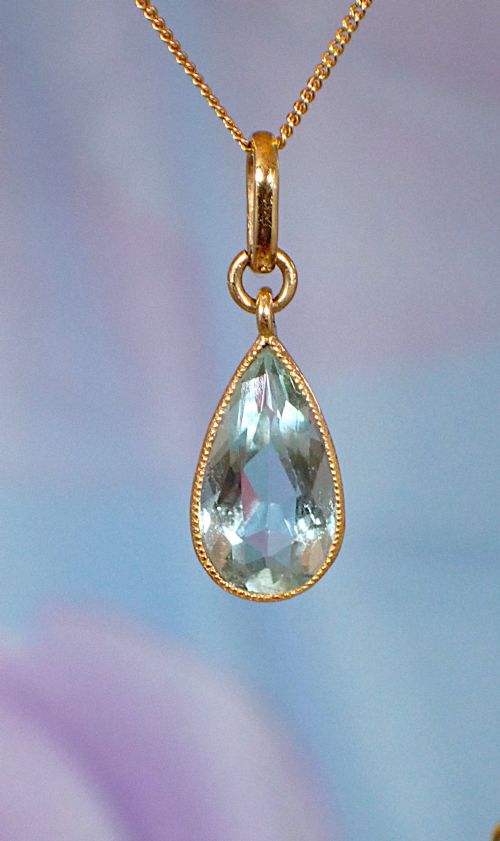
A drop pendant necklace carries a suspended central stone or ornament that moves freely below the neckline.
Drop Pendant Necklace
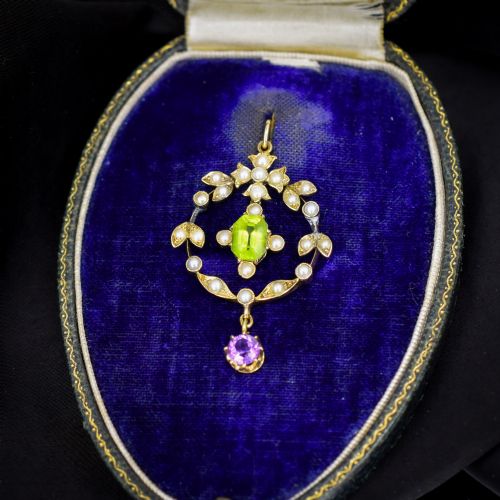
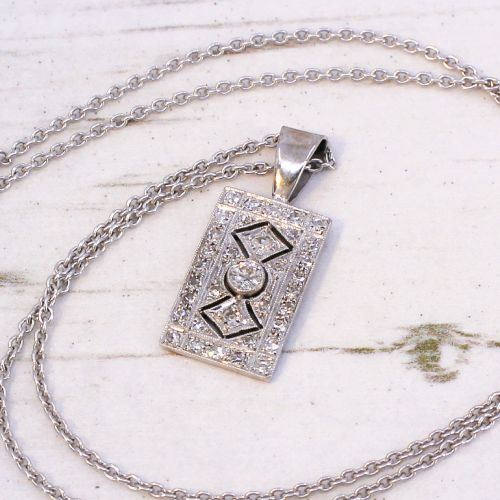
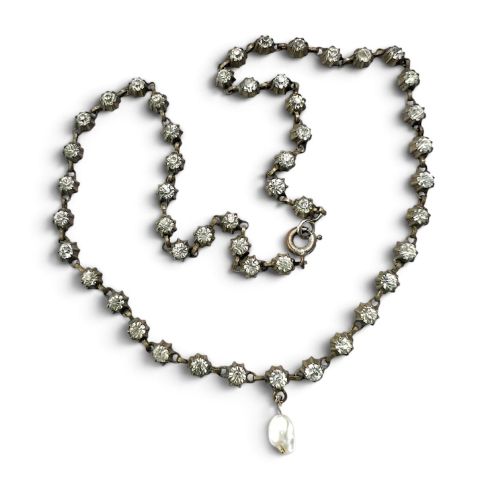
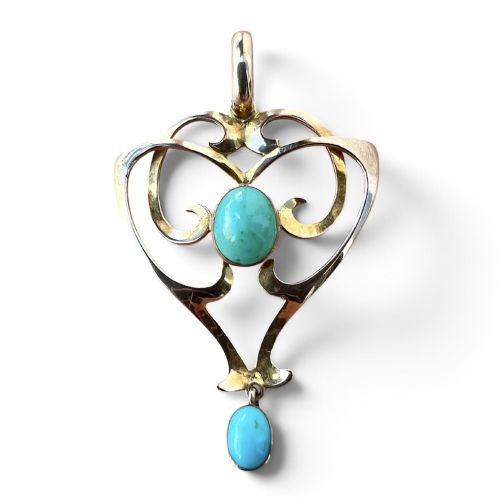
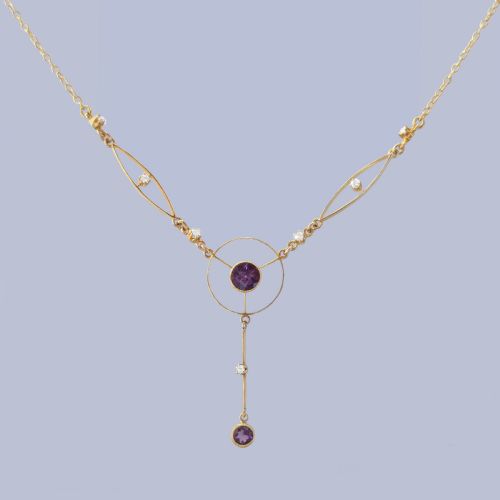
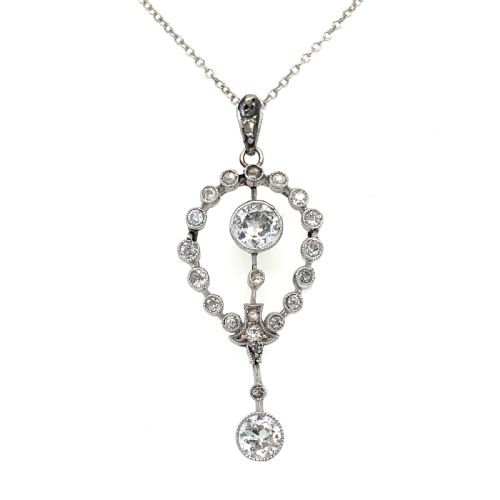
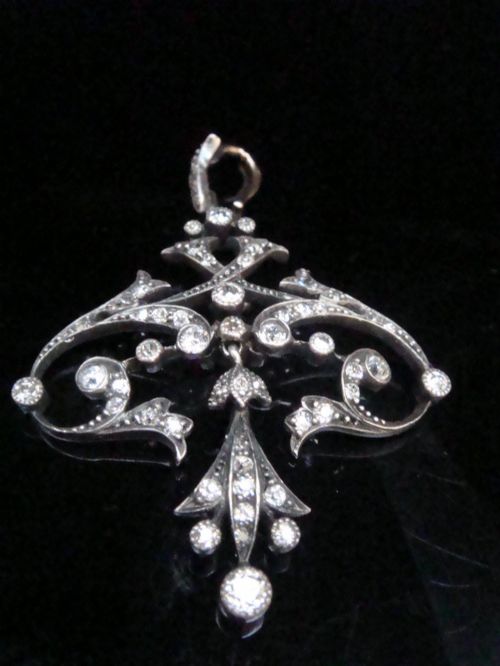
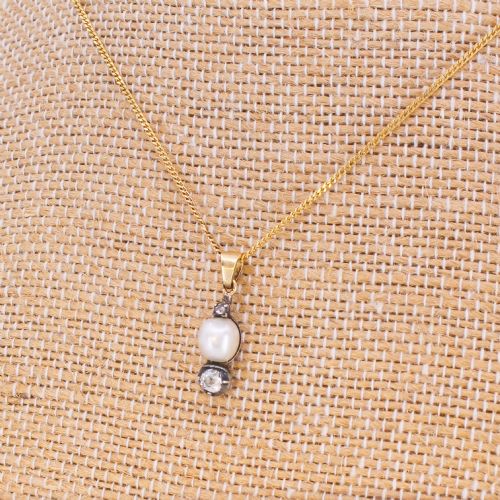
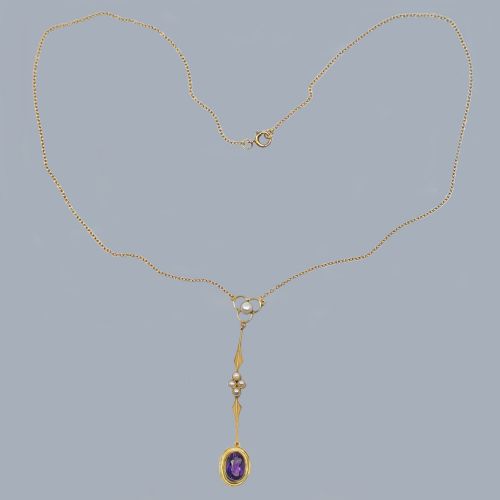
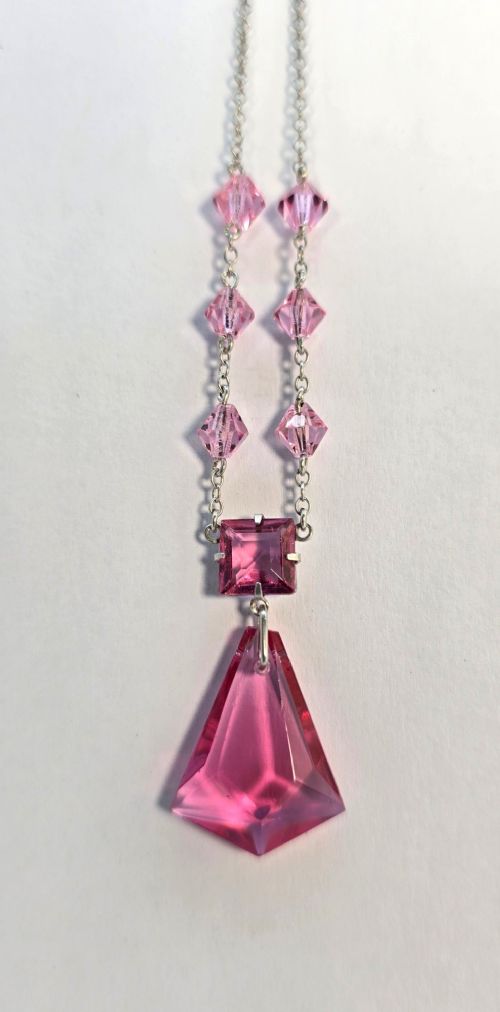
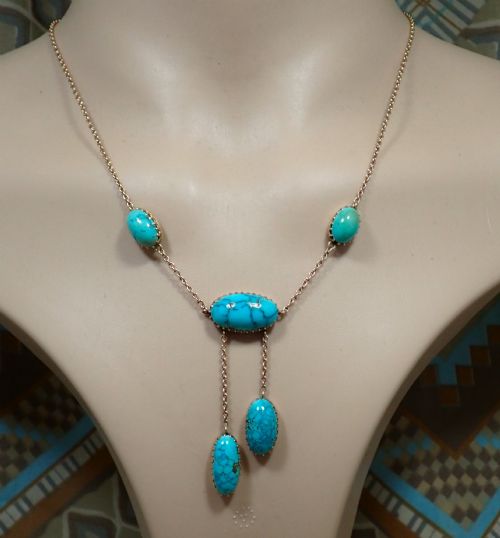
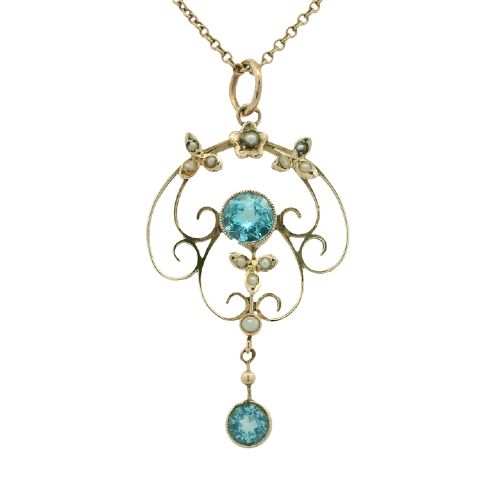
A drop pendant necklace suspends an individual gemstone or cluster from a fixed bail or chain, creating vertical movement on the chest. The selections span Victorian, Edwardian, Art Nouveau and Art Deco periods, alongside later mid-century examples.
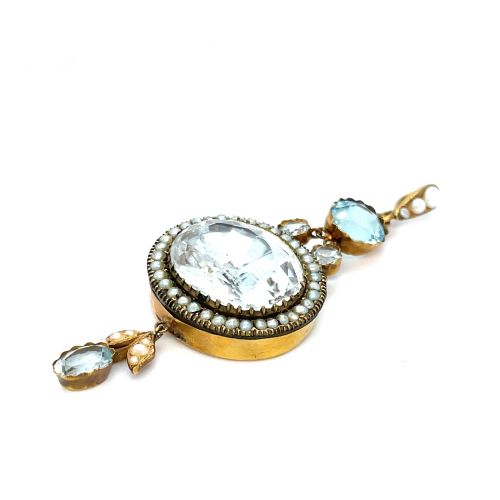
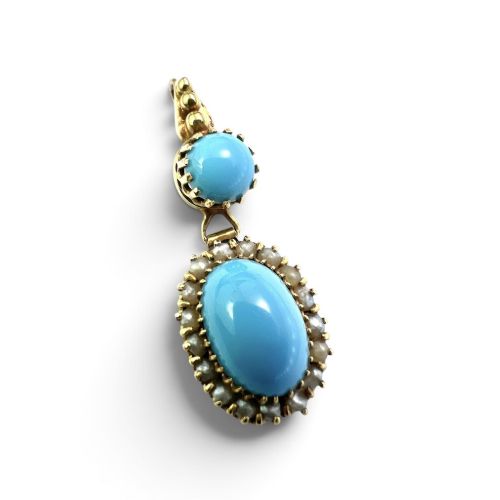
Edwardian and Victorian iterations frequently incorporate amethysts, aquamarines, peridots and seed pearls mounted in yellow gold or rose gold. These historic examples display characteristic floral, foliate and geometric wirework designs.
Later pieces shift into the geometric lines of the Art Deco era utilising platinum and white gold alongside diamonds and hand-cut crystals. Buyers encounter diverse hanging configurations, from single stone drops to elaborate festoon and lavalier arrangements.
How they were made
Goldsmiths worked primarily in nine-carat, fifteen-carat and eighteen-carat yellow and rose gold during the Victorian and Edwardian eras, later adopting platinum and white gold for twentieth-century creations. Stones were securely collet set, claw set or foil backed to enhance optical depth.
Delicate seed pearls were threaded onto silk or pinned with fine wire to form floral halos and dangling accents around central aquamarines, amethysts and peridots. Articulated joints and knife-edge bars allowed components to swing independently.
Listings feature Edwardian, Victorian, Art Nouveau and Art Deco periods utilising gold, platinum, aquamarine, amethyst and seed pearl.
What varies in quality
The sophistication of the metalwork distinguishes standard productions from finer workshop creations, particularly where pierced openwork and millegrain edges are employed. Heavier gold weights and higher carat thresholds provide structural integrity to intricate cascading drops.
Gemstone selection dictates overall hierarchy, separating heat-treated paste or synthetic substitutes from natural aquamarines, old-cut diamonds and luminous seed pearls. Original matching chains and fitted presentation boxes elevate the historic integrity of surviving pieces.
Deakin & Francis
The Drop Pendant Necklace Glossary
- Lavalier
- A necklace featuring a suspended pendant, often with asymmetrical or multiple dangling components hanging at different lengths.
- Foil back
- A historical technique where a thin metallic sheet is placed behind a gemstone to reflect light and artificially brighten its colour.
- Millegrain
- A decorative jewellery technique involving a line of tiny raised metal beads along the edge of a setting.
- Negligee necklace
- A specific Edwardian design where two pendants hang asymmetrically from short parallel chains attached to the main necklace.
- Festoon
- A necklace style featuring swags of chain, beads or metal draped across the neckline supporting central drops.
Drop Pendant Necklace: Frequently Asked Questions
How do I wear a drop pendant necklace?
These necklaces sit centrally on the collarbone or lower down the chest depending on the chain length supplied with the item. They pair effectively with open necklines that allow the suspended drop to move without catching on fabric.
Historic pieces benefit from careful handling during placement to protect delicate seed pearls and articulated joints from sudden tension.
How can I tell an Edwardian piece from a Victorian one?
Edwardian drop pendant necklaces often utilise platinum or lighter nine-carat and fifteen-carat yellow gold with airy, garland-style wirework. Victorian iterations tend to employ heavier gold settings, occasionally featuring rich coloured foils and distinct halo arrangements around amethysts or opals.
Examining the underlying construction and fastener types helps clarify the manufacturing era alongside the characteristic gemstone combinations.
Are these chains original to the pendants?
Many surviving antique pendants retain their original matching chains, particularly Edwardian and Art Deco examples designed as unified sets. Other pieces have been paired with replacement gold or silver chains during their long history of use.
Examining the hallmark stamps on both the pendant bail and the chain clasp provides clear evidence of their original pairing.
How do I care for antique pearls and gems?
Natural seed pearls require protection from perfumes, cosmetics and ultrasonic cleaning methods which can weaken organic nacre over time. Storing the necklace flat in a lined box prevents the fine chain from kinking and protects delicate dangling stones from impact.
Gentle wiping with a soft dry cloth maintains the metal surface without disturbing fragile foil backs or historic settings.